 gamercore13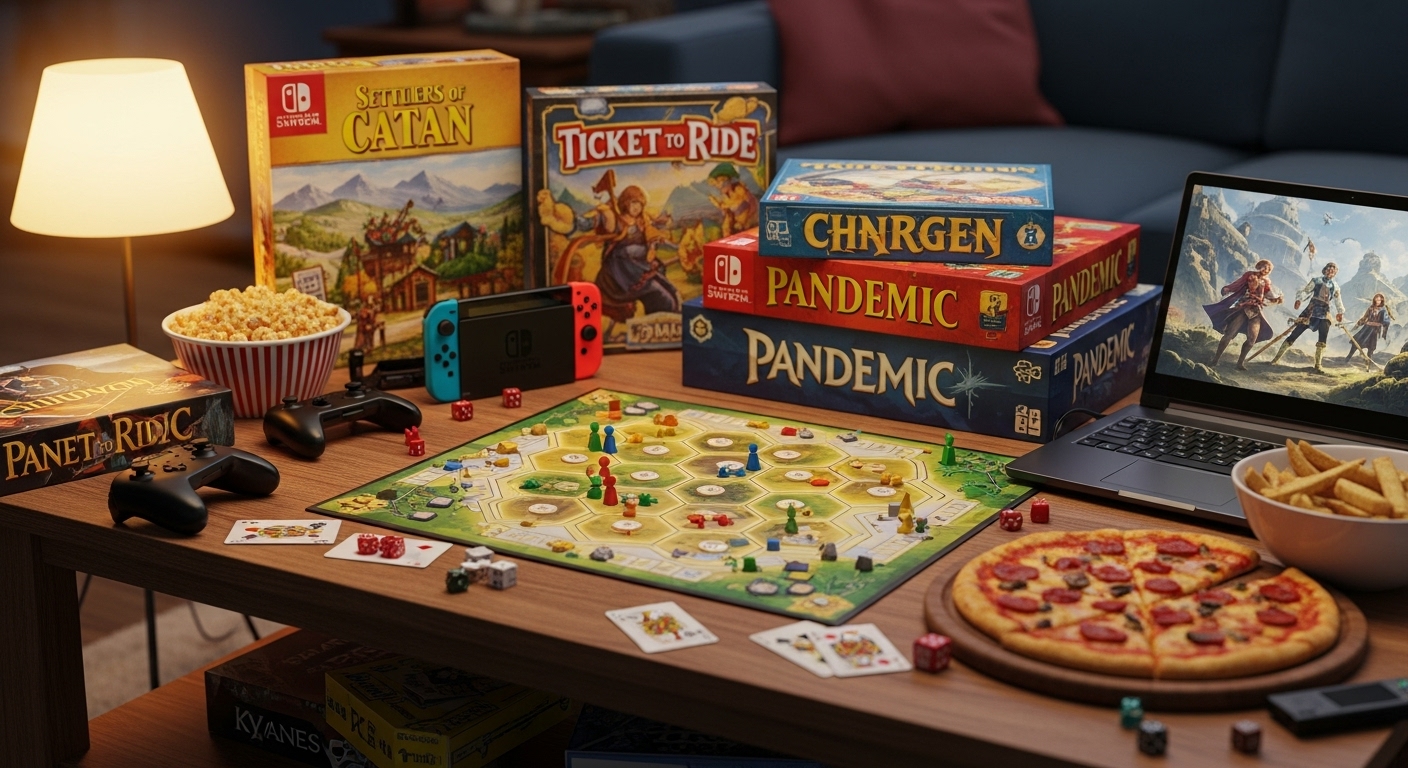
Introduction: The Universal Appeal of Games
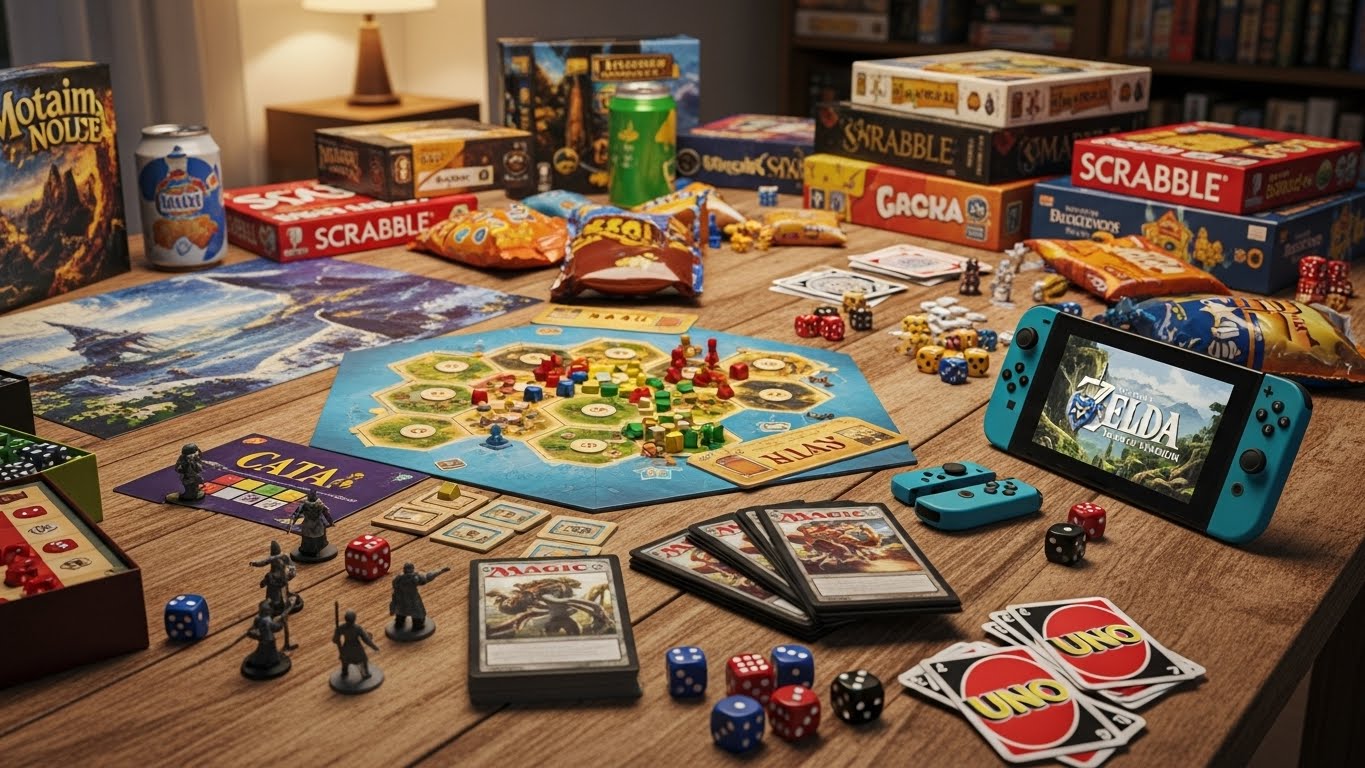
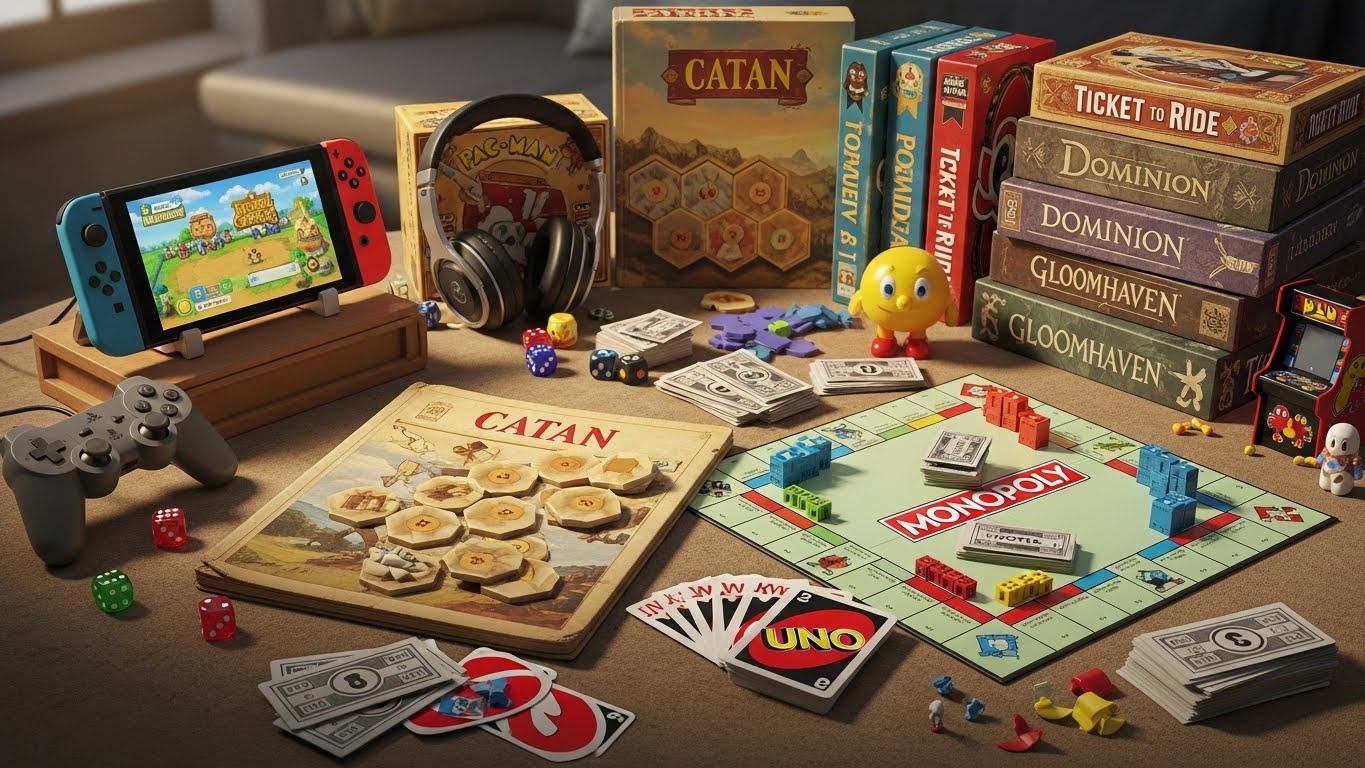
Games have been an integral part of human culture for millennia, transcending boundaries of age, culture, and geography. Whether played for leisure, learning, or social interaction, games serve as a powerful tool for engagement, creativity, and skill development. Over time, the nature of games has evolved dramatically, with the transition from physical board games and card games to the immersive, interactive digital experiences we enjoy today. This transformation has not only reshaped entertainment but has also influenced education, social interactions, and even business. In this post, we’ll explore the evolution of games, the different types of games that exist today, and their cultural and psychological significance.
The Origins of Games: Early Beginnings
Games have existed in some form for as long as humans have been able to think critically and creatively. Archaeological evidence suggests that games like Senet, an ancient Egyptian board game, were played as far back as 3500 BCE. In ancient civilizations, games often held significant cultural and symbolic value, with many games designed to teach strategy, decision-making, and social dynamics. Games like the Royal Game of Ur from Mesopotamia were not only sources of entertainment but also tools for learning and personal development.
As society progressed, so did the complexity of games. In medieval Europe, chess became a symbol of intellect and strategy, with its origins tracing back to India in the 6th century. Chess was more than just a pastime; it was a way for rulers and intellectuals to engage in battle without physical confrontation. Over time, other board games like backgammon and card games gained popularity, providing outlets for strategy and social interaction.
The shift from traditional games to digital games began in the 20th century, marking the start of the modern gaming era. The rise of arcade games and the development of early computer-based games set the stage for the massive gaming industry we know today.
The Rise of Video Games: A Revolution in Entertainment
The advent of video games in the 1950s and 1960s marked a monumental shift in the gaming landscape. The first video game, Tennis for Two, was created by physicist William Higinbotham in 1958, and later, Pong (1972) became the first commercially successful arcade game. These early video games were simple by today’s standards, but they ignited the imagination of players and laid the groundwork for the massive video game industry.
In the 1980s, the introduction of home consoles like the Nintendo Entertainment System (NES) and the Sega Genesis brought gaming into homes across the world. These consoles offered a range of new games, from platformers to action-adventure, which introduced players to immersive worlds and complex characters. Games like Super Mario Bros., The Legend of Zelda, and Pac-Man became cultural touchstones, marking the beginning of gaming’s integration into mainstream society.
As technology advanced, so too did the sophistication of video games. The 1990s brought 3D graphics, which opened up new possibilities for game developers. Titles like Super Mario 64, Final Fantasy VII, and Doom introduced players to expansive worlds, intricate narratives, and revolutionary gameplay mechanics. These games showcased the potential of video games as a form of interactive storytelling, setting the stage for the evolution of gaming as a legitimate art form.
The Impact of Technology: From Pixels to Immersion
One of the driving forces behind the evolution of gaming has been technological advancement. As technology has progressed, so has the ability to create more immersive, detailed, and interactive game worlds. Early video games were limited by the graphical capabilities of their time, relying on pixelated graphics and simple mechanics. However, as computing power increased, so did the complexity and realism of games.
The transition from 2D to 3D gaming was one of the most significant technological advancements in gaming history. The release of the Sony PlayStation in 1994, along with titles like Gran Turismo and Final Fantasy VII, showed the potential of 3D environments and brought new dimensions to storytelling and gameplay. The early 2000s saw further innovations, including the introduction of online multiplayer gaming, which allowed players to connect across the globe and compete or cooperate in real time.
In recent years, virtual reality (VR) and augmented reality (AR) technologies have opened up even more possibilities. VR gaming, which immerses players in fully realized digital worlds, is on the rise, offering unprecedented levels of interactivity and immersion. Meanwhile, AR games like Pokémon Go have brought gaming into the real world, allowing players to interact with their surroundings in new and exciting ways. As technology continues to evolve, the future of gaming promises even more groundbreaking developments.
The Evolution of Mobile Gaming: Games on the Go
Mobile gaming has become one of the most significant trends in the gaming world, driven by the widespread use of smartphones. What began as simple mobile games like Snake on early Nokia phones has evolved into a multi-billion-dollar industry with games that rival console and PC titles in terms of complexity and popularity. Games like Clash of Clans, Candy Crush Saga, and PUBG Mobile have attracted millions of players worldwide, proving that gaming can be enjoyed anywhere, anytime.
One of the key advantages of mobile gaming is its accessibility. Smartphones are ubiquitous, and mobile games are often free to play, making them easily accessible to a wide audience. Furthermore, mobile games are typically designed to be played in short bursts, making them ideal for people with busy schedules. Whether you’re waiting in line, commuting, or relaxing at home, mobile games provide an easy way to pass the time and enjoy interactive experiences.
In addition to casual games, mobile gaming has also introduced new genres, such as location-based gaming, where players interact with the real world through their phones. This genre, exemplified by Pokémon Go, has opened up exciting new possibilities for gaming that blend the virtual and physical worlds.
The Social Aspect of Games: Building Communities
One of the most transformative aspects of modern gaming is its ability to connect people across the globe. In the past, games were typically solitary experiences, with players engaging with a game either alone or with friends and family. Today, however, gaming has become a highly social activity, with millions of players connecting online to form communities, compete, and collaborate in real-time.
Online multiplayer games like World of Warcraft, Fortnite, and League of Legends have redefined what it means to be a gamer. These games allow players to team up with others, share strategies, and build lasting friendships. The concept of gaming guilds or teams has also gained popularity, fostering a sense of camaraderie and collaboration among players. These online communities are not limited to gaming; they often extend to forums, social media, and live streaming platforms like Twitch, where players can interact with fans, share their experiences, and build their personal brands.
Gaming has also become a platform for cultural exchange, as players from different countries and backgrounds come together to compete and cooperate. This global connectivity has led to the creation of eSports, a rapidly growing industry where professional gamers compete in organized tournaments for prize money and prestige. eSports events like The International for Dota 2 or The League of Legends World Championship draw millions of viewers worldwide, turning gaming into a spectator sport.
Games as Educational Tools: Learning Through Play
While games are often seen as a form of entertainment, they also serve as powerful educational tools. Educational games have been used in classrooms for years to teach subjects like math, science, history, and language arts. These games offer a more engaging and interactive way to learn, allowing students to explore concepts in a hands-on, immersive environment.
Games like Minecraft have become popular in educational settings due to their ability to encourage creativity, collaboration, and problem-solving. Teachers use the game to create lessons and challenges that require students to work together to build structures, solve puzzles, and explore virtual worlds. Other games, like Kerbal Space Program, allow players to learn about physics and engineering by designing and launching their own spacecraft.
The concept of gamification has also gained traction in business and other industries, where game-like elements such as points, badges, and leaderboards are used to motivate employees, encourage learning, and enhance performance.
The Psychological Benefits of Gaming
While gaming has often been criticized for its potential negative effects, research shows that playing games can offer several psychological benefits. Many games require players to think critically, solve problems, and make quick decisions, which can improve cognitive skills like memory, attention, and spatial reasoning.
Video games also offer a safe environment for players to experience failure and develop resilience. In many games, players must overcome challenges and setbacks in order to progress, which can help build persistence and problem-solving skills. Additionally, multiplayer games promote teamwork, communication, and social bonding, helping players develop valuable social skills.
Furthermore, games provide a form of escapism, allowing players to immerse themselves in fantastical worlds and experience things they might not be able to in real life. This can be especially beneficial for people dealing with stress, anxiety, or depression, offering a temporary reprieve and a way to relax.
The Future of Gaming: What’s Next?
As technology continues to advance, the future of gaming looks incredibly promising. Virtual reality and augmented reality are expected to become even more integrated into gaming, offering players more immersive and interactive experiences. The rise of cloud gaming will also make high-quality gaming more accessible, allowing players to stream games directly to their devices without the need for expensive hardware.
In addition, artificial intelligence will play an increasingly important role in gaming, creating smarter, more dynamic game worlds and enabling personalized experiences for players. The growth of eSports will continue, with professional gaming becoming a more recognized and lucrative career path.