 gamercore13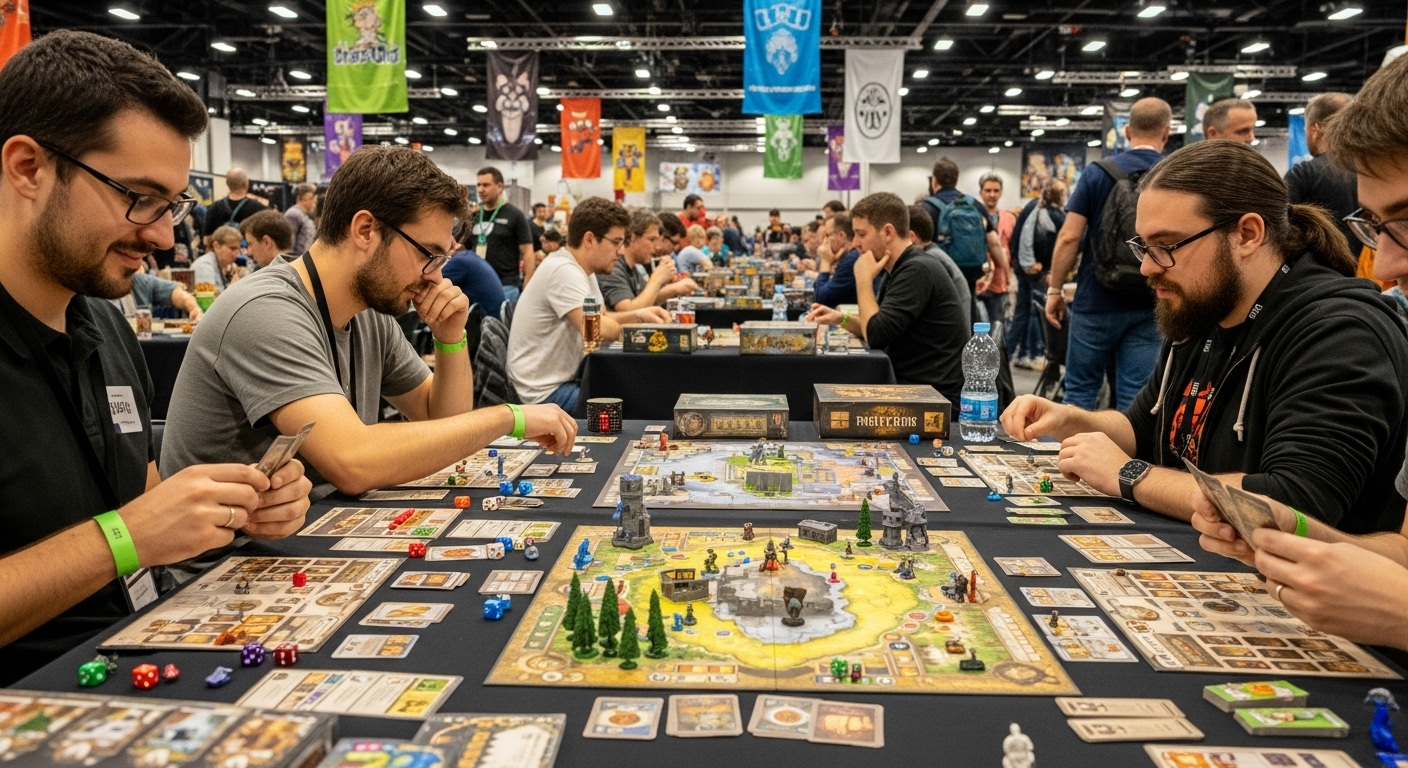
Introduction: The Ever-Present Nature of Games
Games have been an integral part of human history, offering entertainment, skill-building, and social connection for thousands of years. From ancient board games to the modern digital landscapes we experience today, games have evolved drastically, growing into a global industry that entertains billions. But the concept of “play” is not merely about passing time—games reflect the cultures, technologies, and values of their era. This blog post delves into the journey of games, exploring their transformation from simple amusements to complex, immersive experiences that continue to shape our world.
The Roots of Games: Play as Ancient as Civilization
Games have existed in some form since the dawn of human civilization. Some of the earliest recorded games date back to Ancient Egypt, where the game of Senet was played around 3500 BCE. It’s believed that Senet had both recreational and spiritual elements, providing not only entertainment but a way for people to engage in rituals related to life after death. Similarly, the Royal Game of Ur, which originated in Mesopotamia around 2600 BCE, was another early board game that served as both entertainment and a method of teaching strategic thinking.
The Greeks and Romans also enjoyed various games, with a strong emphasis on physical activities such as the Olympics. Yet even then, games weren’t just about leisure—they were an important part of societal structure, encouraging physical prowess, intellectual growth, and community participation.
As centuries passed, games evolved to fit the needs and technologies of their times. In the Middle Ages, for instance, board games like chess and backgammon gained popularity. These games were not only seen as pastimes for the aristocracy but also as tools for developing critical thinking, strategy, and foresight.
The Rise of Modern Games: The Birth of Video Games
While traditional games have continued to play a significant role in entertainment and learning, the biggest transformation in the gaming world occurred in the 20th century with the advent of video games. The development of video games started in the 1950s, and one of the first examples of digital play was Tennis for Two, created by physicist William Higinbotham in 1958. However, it wasn’t until the 1970s that games became commercially viable, with the release of Pong in 1972, a simplistic yet groundbreaking video game that laid the foundation for the arcade gaming industry.
The 1980s marked the beginning of the home console revolution. The Nintendo Entertainment System (NES) and the Sega Genesis brought video games directly into homes across the world. Games like Super Mario Bros., Pac-Man, and The Legend of Zelda captured the imagination of millions, offering players new worlds to explore and challenges to overcome. These games were simple yet incredibly engaging, setting the stage for the next wave of gaming innovation.
The 1990s and 2000s saw dramatic improvements in graphics and gameplay, with the advent of 3D graphics and open-world gameplay. Titles such as Super Mario 64, Final Fantasy VII, and The Legend of Zelda: Ocarina of Time raised the bar in terms of storytelling, world-building, and character development, making video games not just a form of entertainment but a new art form in their own right.
The Explosion of Online and Mobile Gaming
As technology continued to improve, games became even more accessible, leading to the rise of online multiplayer games and mobile gaming. The launch of the internet brought a new dimension to gaming—players were no longer confined to their own homes or local arcades. Online games like World of Warcraft and Counter-Strike allowed people to connect with others from across the globe, forming communities, competing in tournaments, and building friendships.
The internet also facilitated the rise of gaming as a spectator sport, with the introduction of platforms like Twitch where players could stream their gameplay to millions of viewers. eSports competitions have evolved into multi-million-dollar industries, with games like League of Legends, Dota 2, and Fortnite attracting millions of viewers, transforming gaming into a professional and competitive career.
At the same time, mobile gaming took off with the widespread adoption of smartphones. Games like Angry Birds, Candy Crush Saga, and Clash Royale introduced an entirely new audience to gaming. These games were designed to be quick, engaging, and easy to access, allowing players to enjoy gaming on-the-go. The accessibility of mobile gaming has opened up opportunities for new genres and game developers to reach massive global audiences, making gaming more inclusive and diverse than ever before.
Gaming as a Social Experience: From Solo to Multiplayer
In the past, gaming was often a solitary activity. Whether playing a board game with friends or sitting alone in front of a console, games were generally enjoyed in isolation. However, the growth of online gaming has turned play into a highly social activity, connecting people across the globe in real-time.
Multiplayer games have become a cultural phenomenon, allowing players to collaborate, compete, and socialize in ways that were previously impossible. Games like Fortnite, Minecraft, and Apex Legends offer team-based gameplay, where players can join forces to defeat opponents or complete challenges together. The rise of cooperative games has shifted the way players approach gaming, emphasizing teamwork and communication over individual achievement.
In addition to multiplayer modes, streaming platforms like Twitch and YouTube Gaming have created new opportunities for gamers to share their experiences and connect with fans. Streamers can build loyal communities of followers, interacting with them through live chats, giveaways, and social media. The ability to connect with like-minded people has transformed gaming into a social experience that extends beyond the game itself.
Games as a Tool for Learning and Development
While gaming has primarily been viewed as a form of entertainment, games also offer numerous educational benefits. Many games promote cognitive skills such as problem-solving, strategic thinking, and decision-making. Games like Portal, Civilization, and Chess teach players how to think critically, analyze situations, and develop long-term strategies.
Educational games for children have also gained popularity in recent years, helping to make learning fun and interactive. Games that teach math, science, and language skills use engaging narratives and challenges to keep students invested while also encouraging them to problem-solve and think creatively. Games like Osmo and Rush: A Disney Pixar Adventure make learning a dynamic and enjoyable experience, offering an alternative to traditional educational methods.
In the professional world, gamification—the integration of game-like elements such as points, badges, and leaderboards—has been used to motivate employees and enhance training programs. By introducing gaming principles into non-game environments, organizations can foster greater engagement, encourage learning, and increase productivity.
The Future of Gaming: New Frontiers to Explore
The future of gaming is incredibly exciting, as technology continues to push the boundaries of what is possible. Virtual Reality (VR) and Augmented Reality (AR) are poised to revolutionize the way we interact with games, providing fully immersive experiences where players can physically engage with the game world. VR headsets like Oculus Rift and HTC Vive have already begun to create more immersive and interactive environments, allowing players to feel as though they are truly part of the game.
Cloud gaming is also on the horizon, allowing players to stream high-quality games without needing expensive hardware. Services like Google Stadia and Xbox Cloud Gaming are breaking down the barrier to entry for high-end gaming, making it easier for players to access top-tier games from any device with an internet connection.
Artificial Intelligence (AI) is another area where gaming is likely to see significant advancements. AI will allow for more intelligent, responsive non-playable characters (NPCs), making the game world feel more alive and dynamic. With AI-driven storylines, games could become even more personalized, adapting to a player’s choices and actions in real-time.
Finally, the concept of the metaverse—a fully integrated virtual world where users can socialize, play games, work, and live digitally—is becoming a more likely reality. With tech companies like Facebook and Microsoft investing heavily in virtual environments, the metaverse could soon become a central hub for gaming, creating new opportunities for social interaction, entertainment, and commerce.
The Cultural Impact of Games
Games have long transcended the realm of entertainment, shaping culture in profound ways. Video games, in particular, have become a powerful storytelling medium, with many games offering rich narratives that rival those of films and books. Titles like The Last of Us, Red Dead Redemption 2, and The Witcher 3 have been praised for their storytelling, character development, and world-building, cementing video games as a legitimate form of artistic expression.
In addition to storytelling, games have influenced popular culture, from the creation of iconic characters like Mario, Link, and Lara Croft, to the music and art inspired by games. Video game soundtracks have become a genre in their own right, with composers like Nobuo Uematsu (Final Fantasy) and Koji Kondo (Super Mario) being celebrated for their memorable scores.
Furthermore, games have become a means of cultural exchange. As players from different countries and backgrounds connect through multiplayer games, they share experiences, languages, and perspectives, fostering a sense of global community. In this way, games have become a force for unity and connection, breaking down geographical and cultural barriers.
Conclusion: The Enduring Power of Play
Games have come a long way since their humble beginnings as ancient forms of recreation. Today, they are not only a form of entertainment but also a powerful tool for education, socialization, and personal development. As technology continues to advance, the future of games holds endless possibilities, from immersive virtual worlds to fully interconnected digital experiences. Whether through online multiplayer games, educational platforms, or innovative new technologies, games will continue to shape the way we learn, connect, and play for generations to come.