 gamercore13
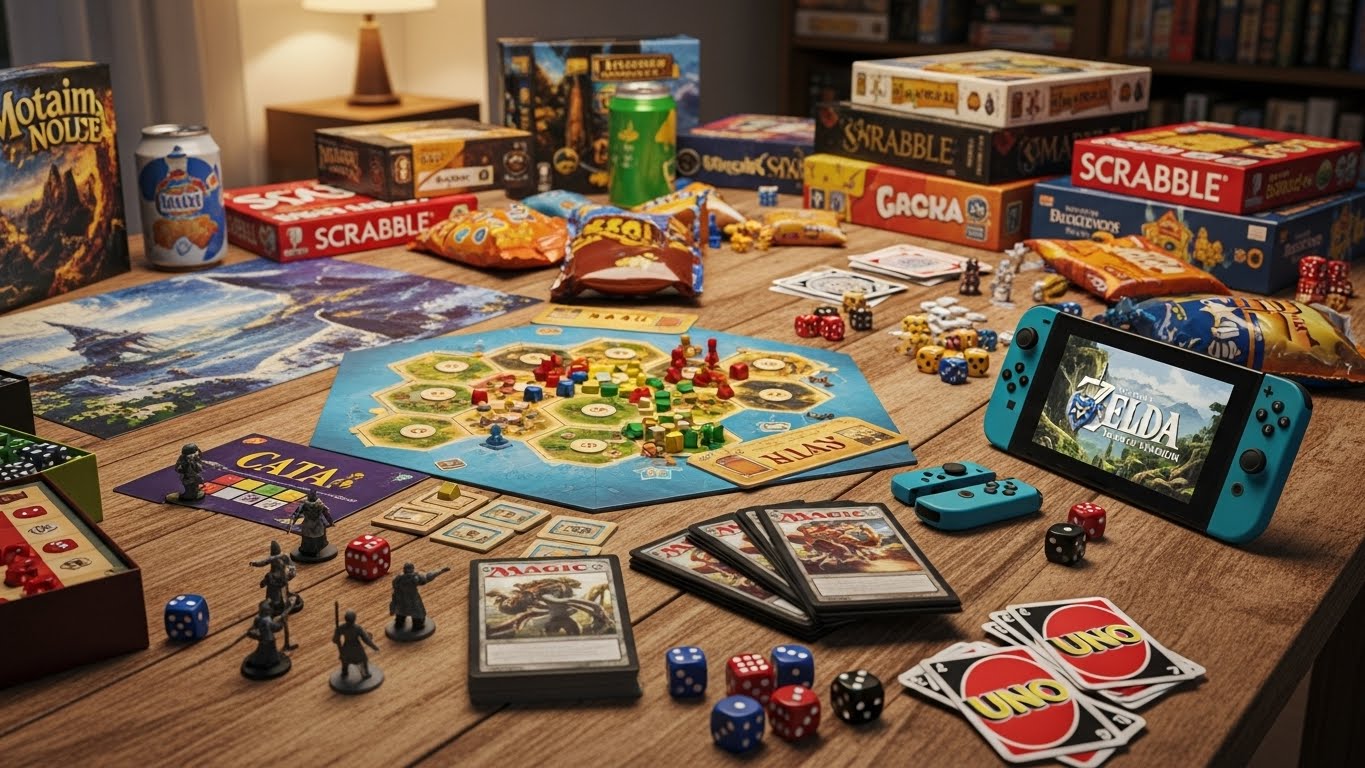
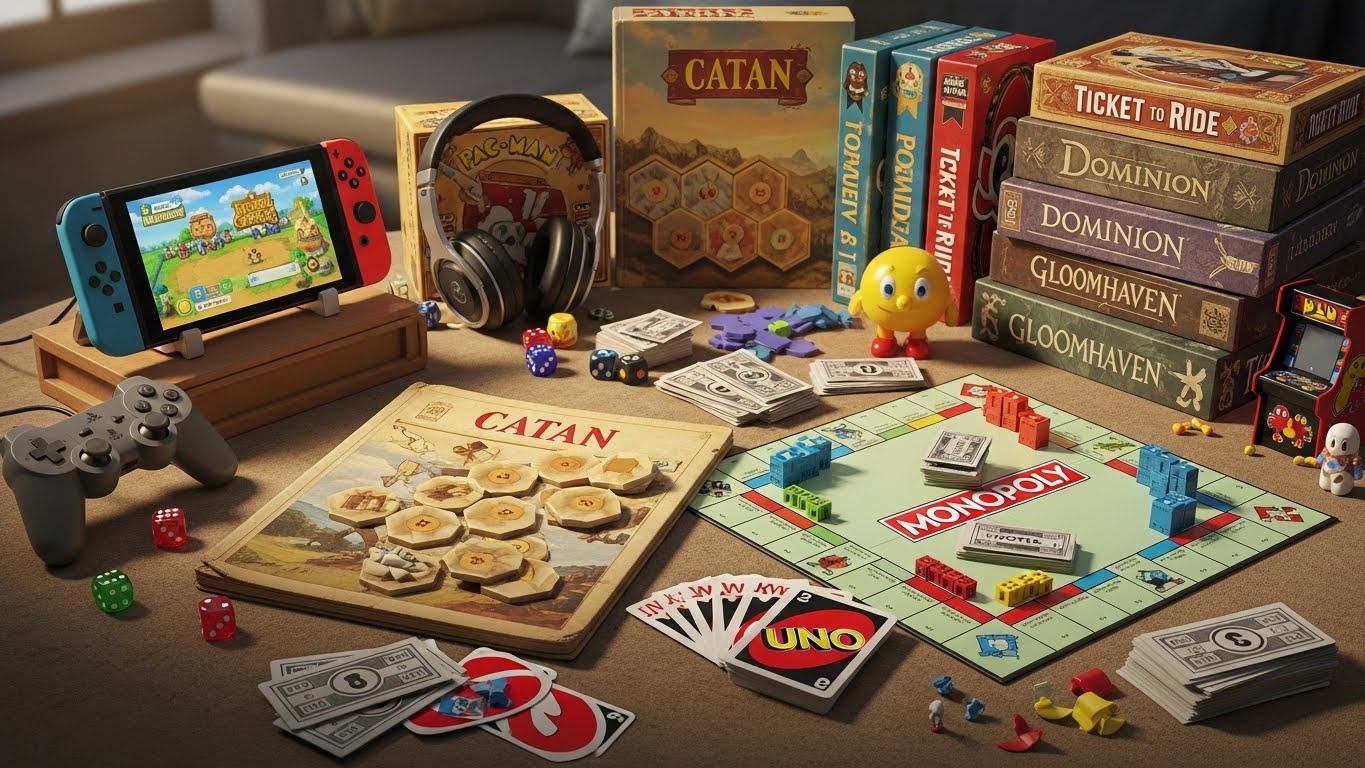
Games have always played an important role in human culture. From ancient board games to the latest video games, they have entertained, challenged, and connected people across generations. In today’s world, gaming has evolved into a vast and multifaceted industry, combining technology, storytelling, social interaction, and competitive experiences. Modern games are no longer just pastimes—they are cultural phenomena, economic powerhouses, and avenues for creativity and innovation. This blog explores the history of games, their evolution, social and cultural impact, technological advancements, and future trends, highlighting why gaming has become a cornerstone of modern entertainment.
The Origins of Gaming
Games are an intrinsic part of human society. The earliest games served multiple purposes: they were tools for education, strategy, social bonding, and recreation. Board games like chess and backgammon, which date back thousands of years, required critical thinking, planning, and strategy. These games were social experiences, often bringing communities together and creating shared challenges.
Ancient civilizations also played physical games and competitions, which laid the foundation for competitive gaming. Over centuries, games evolved to incorporate more complex rules, structures, and narratives. As technology emerged, the digital era of gaming began, introducing new forms of interactive entertainment that could be accessed anywhere, anytime.
The Evolution of Video Games
The first digital games appeared in the 1970s and 1980s with arcade machines and early home consoles. Games like Pong, Space Invaders, and Pac-Man were simple yet captivating. They introduced the concept of interactive entertainment to a global audience and established the idea of scoring, levels, and competition in digital formats.
In the 1980s and 1990s, home consoles such as the Nintendo Entertainment System and Sega Genesis brought richer graphics, diverse gameplay, and iconic characters into living rooms. Personal computers allowed for more complex games, including strategy, simulation, and role-playing games. The introduction of online gaming enabled players to connect across continents, forming communities and fostering global competition.
Games as a Cultural Phenomenon
Modern games are a major influence on global culture. They inspire movies, books, music, fashion, and even social movements. Popular titles have created shared experiences and cultural touchstones that connect people from different backgrounds.
Gaming conventions, tournaments, and expos celebrate the artistry and innovation of games. These events bring together developers, players, and fans, highlighting the cultural importance of gaming and providing opportunities for collaboration, networking, and creativity. Games have transcended being just entertainment—they are now a social and cultural medium that shapes trends and community interactions.
Storytelling in Games
One of the defining aspects of modern games is storytelling. Unlike movies or books, games allow players to actively participate in the narrative, influencing outcomes and shaping experiences. Role-playing games, open-world adventures, and narrative-driven titles immerse players in rich worlds where choices matter.
Storytelling in games encourages empathy, problem-solving, and emotional engagement. Players not only witness the story but become an integral part of it. This interactivity makes gaming a unique form of entertainment, blending narrative depth with personal agency.
The Rise of Competitive Gaming and Esports
Esports has transformed gaming into a competitive global industry. Professional players compete in tournaments for recognition, prize money, and sponsorships. Major esports events attract millions of viewers online and in stadiums, rivaling traditional sports in scale and popularity.
Competitive gaming encourages teamwork, strategic thinking, and quick decision-making. Multiplayer platforms allow players to collaborate and compete, fostering skill development and community engagement. Esports has created new opportunities for careers, entertainment, and global competition, solidifying gaming as a professional and spectator phenomenon.
The Social Impact of Games
Games are social tools as well as entertainment. Multiplayer games, online communities, and live-streaming platforms allow players to connect, communicate, and collaborate. This social dimension makes gaming a shared experience, promoting friendships, teamwork, and communication skills.
Gaming also provides accessibility for diverse audiences. Individuals with physical or social limitations can participate in gaming communities, interact with peers, and engage in competitive or cooperative play. The social and inclusive nature of modern games highlights their importance in connecting people across borders and experiences.
Technological Advancements in Gaming
Technology has played a pivotal role in the growth of gaming. High-definition graphics, advanced processors, and improved software have enabled developers to create expansive worlds, realistic characters, and complex gameplay mechanics.
Virtual reality and augmented reality are redefining immersion in games. Players can explore 3D environments, interact with objects, and experience games in first-person perspectives that mimic real-world interaction. Cloud gaming and streaming services have expanded accessibility, allowing players to enjoy high-quality experiences without expensive hardware.
Mobile Gaming and Accessibility
Mobile gaming has revolutionized how people play games. Smartphones and tablets provide on-the-go gaming experiences, making games accessible to a broader audience than ever before. Mobile games cover a variety of genres, from casual puzzle games to competitive battle arenas, appealing to both casual and hardcore players.
Mobile gaming’s accessibility has expanded the cultural reach of games, introducing gaming to new demographics. Developers prioritize mobile-first designs to ensure smooth gameplay, engaging interfaces, and inclusive experiences, further fueling the industry’s growth.
The Economic Impact of Gaming
Gaming has become a significant economic powerhouse. Video game sales, in-game purchases, subscriptions, merchandise, and esports tournaments generate billions of dollars annually. The industry supports employment in development, design, marketing, event management, and technology, contributing to the global economy.
Investment in gaming technology drives innovation beyond entertainment. Developments in artificial intelligence, cloud computing, and graphics technology have applications in education, simulations, and virtual collaboration tools. Gaming is thus not only a source of leisure but also a driver of technological and economic advancement.
Educational and Cognitive Benefits of Games
Games offer cognitive and educational advantages beyond entertainment. Puzzle games, strategy titles, and simulations enhance critical thinking, problem-solving, memory, and creativity. Role-playing games improve narrative comprehension, strategic planning, and decision-making skills.
Gamification in education leverages game mechanics to make learning engaging and interactive. Educational games and simulations create immersive learning environments that promote knowledge retention, collaboration, and experimentation. Gaming, therefore, has the potential to be both fun and intellectually enriching.
Challenges in the Gaming Industry
Despite its benefits, gaming faces challenges. Excessive screen time, addiction, and exposure to inappropriate content can have negative effects, especially among younger audiences. Responsible gaming practices and parental oversight are essential to maintaining a healthy balance.
Diversity and inclusion remain ongoing issues in gaming. Representation in characters, narratives, and game environments is critical to creating inclusive and welcoming experiences for all players. Developers and communities must work together to address these challenges responsibly.
Future Trends in Gaming
The future of gaming is bright and dynamic. Virtual reality and augmented reality will continue to expand immersive experiences. Artificial intelligence will create adaptive gameplay tailored to individual player preferences. Cloud gaming and streaming will remove hardware barriers, making high-quality gaming more accessible than ever.
Cross-platform integration will allow seamless experiences across consoles, PCs, and mobile devices. Gaming will increasingly intersect with other forms of entertainment, including movies, music, and interactive media, creating hybrid experiences that blur the lines between media, storytelling, and participation.
Conclusion
Games have evolved from simple pastimes into a multifaceted, culturally significant form of entertainment. They entertain, challenge, educate, and connect people, making gaming an integral part of modern life.
With technological innovation, social interaction, global accessibility, and creative storytelling, gaming continues to shape the future of entertainment. It is more than a hobby—it is a cultural force, an economic driver, and a platform for human creativity and connection. Games are a reflection of society, technology, and imagination, and they will continue to influence entertainment for generations to come.