 gamercore13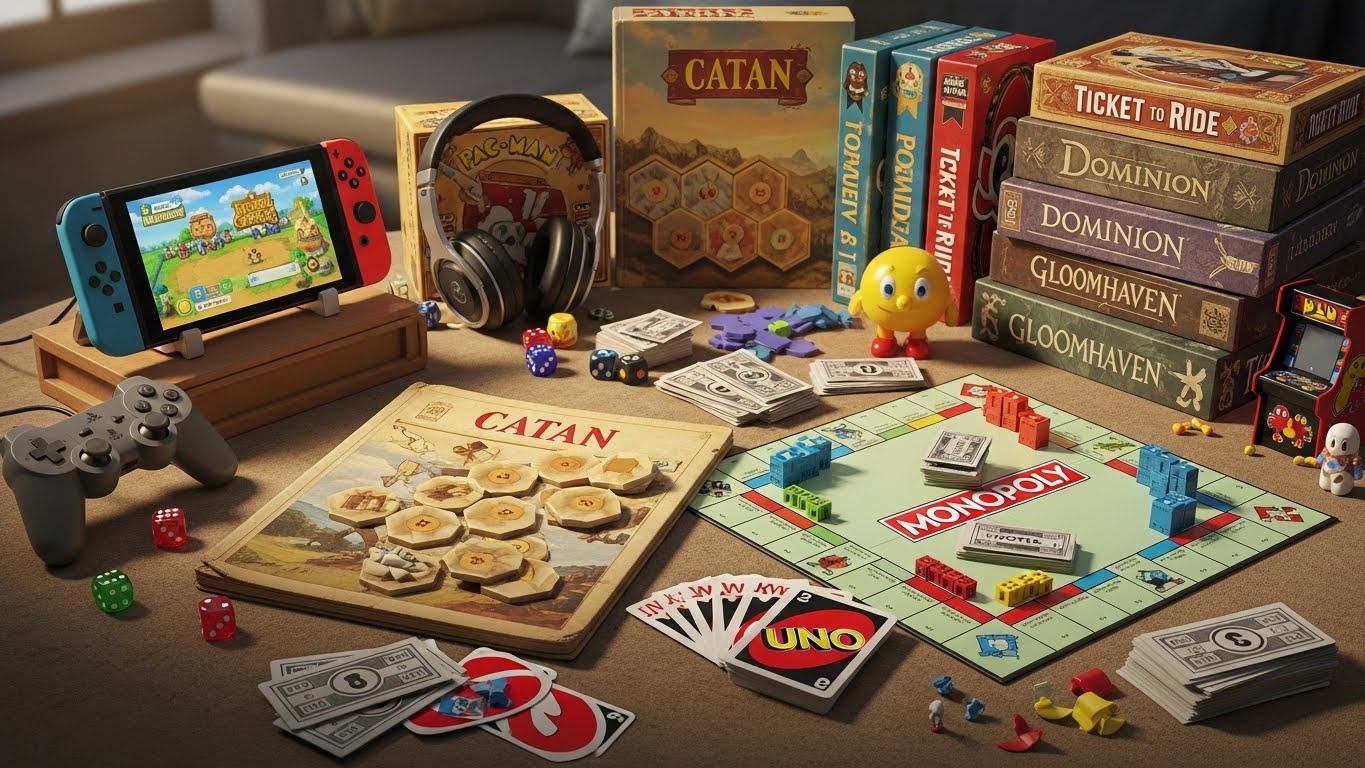
Games have been an integral part of human culture for centuries. From ancient board games to modern digital experiences, games have always served as a source of entertainment, learning, and social interaction. What makes games truly captivating is their ability to transport players into immersive worlds, challenge their skills, and provide a sense of achievement. In this blog, we will explore the diverse realm of games, their evolution, impact, and why they remain relevant in today’s fast-paced world.
The Evolution of Games Through History
Games are not a modern invention; they have existed since ancient times. Historical records show that civilizations across the globe developed unique games that reflected their culture, values, and technological advancement. For instance, the ancient Egyptians played Senet, a board game considered one of the earliest examples of gaming. Similarly, the Chinese developed Go, a strategic game that emphasizes patience and foresight. These early games were not merely for entertainment; they were tools for mental development, social interaction, and even spiritual practices.
As societies evolved, so did games. The Middle Ages introduced games like chess, which became a symbol of intellectual prowess and strategy. The industrial era brought new board games and physical activities, making gaming more accessible to the masses. Eventually, the digital revolution transformed gaming completely, introducing video games that combined storytelling, graphics, and interactivity to create entirely new experiences.
Video Games: A New Frontier
Video games have transformed the way we perceive and engage with games. Unlike traditional games, video games offer immersive worlds, interactive storylines, and dynamic challenges that evolve based on player choices. They have become a cultural phenomenon, influencing art, music, and even education. Modern video games can range from simple puzzle games to expansive open-world adventures, catering to a wide range of audiences.
One of the most fascinating aspects of video games is their ability to create virtual communities. Multiplayer online games allow players from around the world to interact, cooperate, and compete in real-time. These virtual connections foster social bonds and often lead to the development of strong communities united by shared interests and experiences. Furthermore, video games can serve as a platform for creative expression, where players design custom content, develop mods, or even create entire virtual worlds.
The Cognitive Benefits of Gaming
While games are often perceived purely as entertainment, research suggests that they provide numerous cognitive benefits. Puzzle games, strategy games, and role-playing games enhance problem-solving skills, critical thinking, and decision-making. Action games improve hand-eye coordination, reaction times, and spatial awareness. Even narrative-driven games can boost empathy by allowing players to experience diverse perspectives and moral dilemmas.
Moreover, games can serve as a tool for learning. Educational games are increasingly used in classrooms to teach subjects like mathematics, history, and language in engaging ways. Gamification, the application of game principles to non-game contexts, has also become popular in professional settings to motivate employees and enhance productivity. By incorporating elements like rewards, challenges, and feedback, games provide a dynamic environment that encourages active participation and skill development.
Board Games: The Timeless Classics
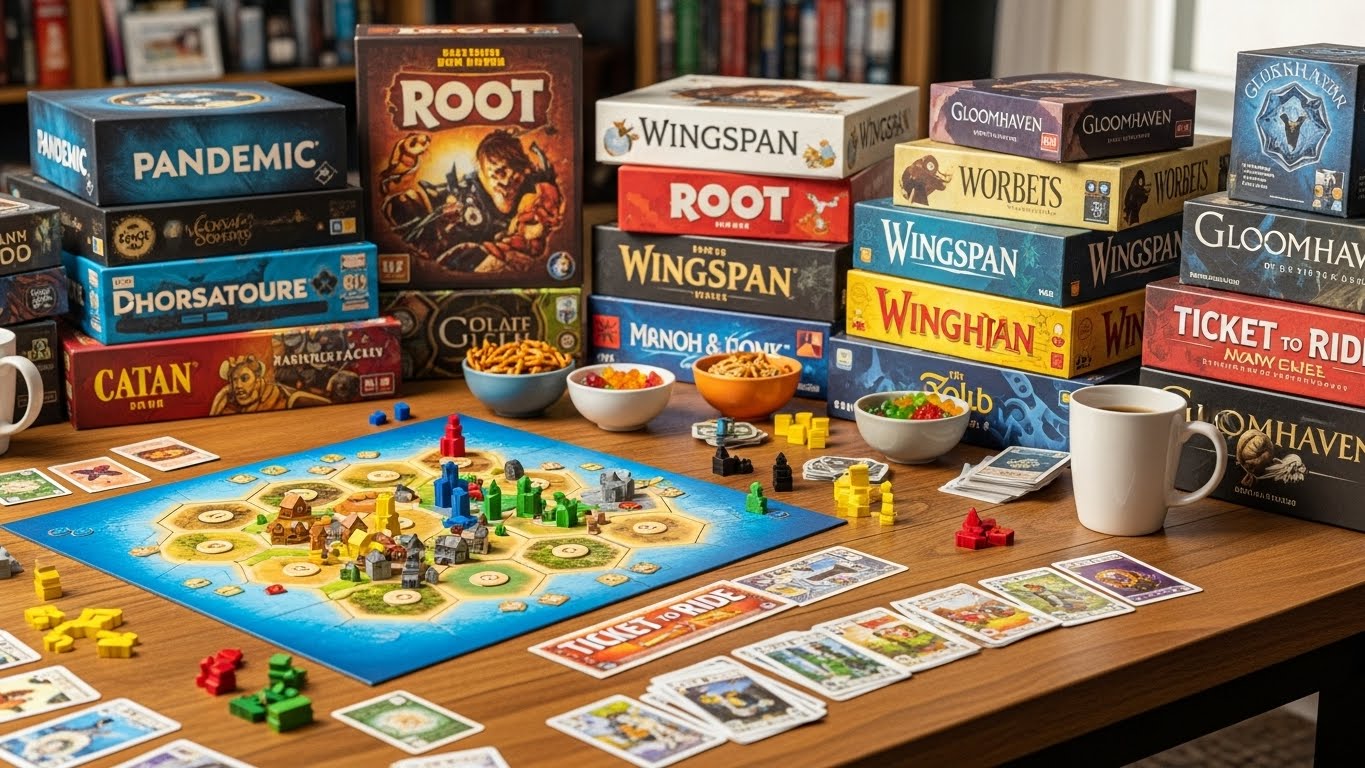
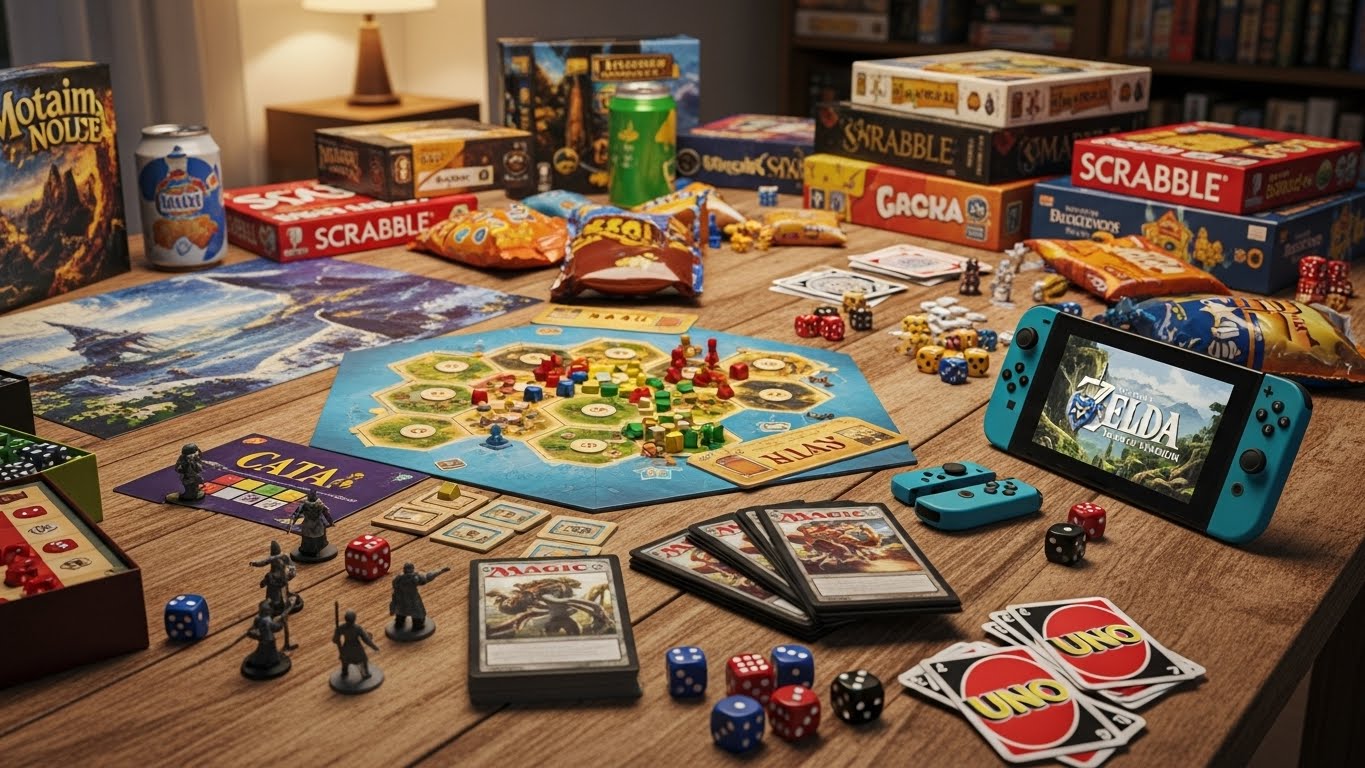
Despite the rise of digital gaming, board games continue to hold a special place in the gaming landscape. Classic board games such as Monopoly, Scrabble, and Settlers of Catan offer a unique experience that combines strategy, competition, and social interaction. Board games are particularly effective in bringing people together, as they encourage face-to-face communication, teamwork, and negotiation.
In recent years, there has been a resurgence of interest in board games, often referred to as the “board game renaissance.” Modern board games feature innovative mechanics, intricate themes, and immersive storytelling that rival the complexity of video games. The tactile nature of board games, combined with the shared social experience, makes them a unique form of entertainment that digital games cannot fully replicate.
Sports and Physical Games
Physical games and sports have been an essential part of human culture since ancient times. From the Olympic Games in ancient Greece to traditional folk games in various cultures, physical games promote fitness, teamwork, and healthy competition. Sports like football, basketball, and tennis have global appeal, drawing millions of fans and players worldwide.
The appeal of sports lies not only in physical activity but also in the emotional connection they create. Watching or participating in sports evokes feelings of excitement, anticipation, and camaraderie. Sports also teach valuable life skills such as discipline, perseverance, and resilience. Furthermore, they serve as a platform for cultural exchange, bringing people together across nations and backgrounds.
The Psychology Behind Gaming Addiction
While games provide numerous benefits, it is important to recognize the potential for addiction. Gaming addiction, or excessive gaming, can have negative impacts on physical and mental health, social relationships, and daily responsibilities. The immersive nature of games, combined with reward systems and social interactions, can sometimes lead individuals to spend excessive amounts of time gaming.
Understanding the psychology behind gaming addiction can help players maintain a healthy balance. Game designers often incorporate features such as achievement points, progression systems, and social rewards to keep players engaged. Awareness and moderation are key to enjoying games responsibly while avoiding the pitfalls of excessive gaming.
The Role of Games in Storytelling
Games have emerged as a powerful medium for storytelling. Unlike books or films, games allow players to actively participate in the narrative, making choices that influence the outcome. This interactivity creates a deeper emotional connection between the player and the story, making gaming a unique form of narrative art.
Many modern games explore complex themes such as morality, identity, and social issues. Through immersive storytelling, players can experience diverse perspectives, confront ethical dilemmas, and reflect on their own values. Games like these demonstrate that gaming is not merely about winning or scoring points; it is about engaging with meaningful experiences that challenge the mind and emotions.
Innovations and the Future of Gaming
The future of gaming is filled with exciting possibilities. Advances in technology, such as virtual reality, augmented reality, and artificial intelligence, are transforming how games are created and experienced. Virtual reality games offer fully immersive environments where players can interact with the game world in unprecedented ways. Augmented reality games blend the digital and physical worlds, creating experiences that extend beyond traditional screens. Artificial intelligence enables more intelligent and adaptive game behavior, making challenges dynamic and engaging.
In addition, games are increasingly being recognized for their potential in fields beyond entertainment. Serious games are used in training, healthcare, and scientific research to simulate real-world scenarios, teach skills, and solve complex problems. The potential of gaming as a tool for innovation, education, and social impact is vast, suggesting that the influence of games will continue to grow in the coming decades.
Conclusion: More Than Just Play
Games are far more than a pastime; they are a reflection of human creativity, intelligence, and culture. From ancient board games to modern digital adventures, games have evolved to offer experiences that entertain, educate, and connect people. They challenge the mind, foster social interaction, and provide a platform for storytelling that is uniquely interactive.
As gaming continues to evolve, it will remain an essential part of human life, offering endless possibilities for engagement, learning, and self-expression. Whether you enjoy the tactile satisfaction of rolling dice on a board game, the thrill of competing in an online multiplayer arena, or the immersive experience of a virtual reality adventure, games offer something for everyone. Embracing games as a multifaceted form of entertainment and learning can enrich our lives and inspire creativity in ways that few other activities can.