 gamercore13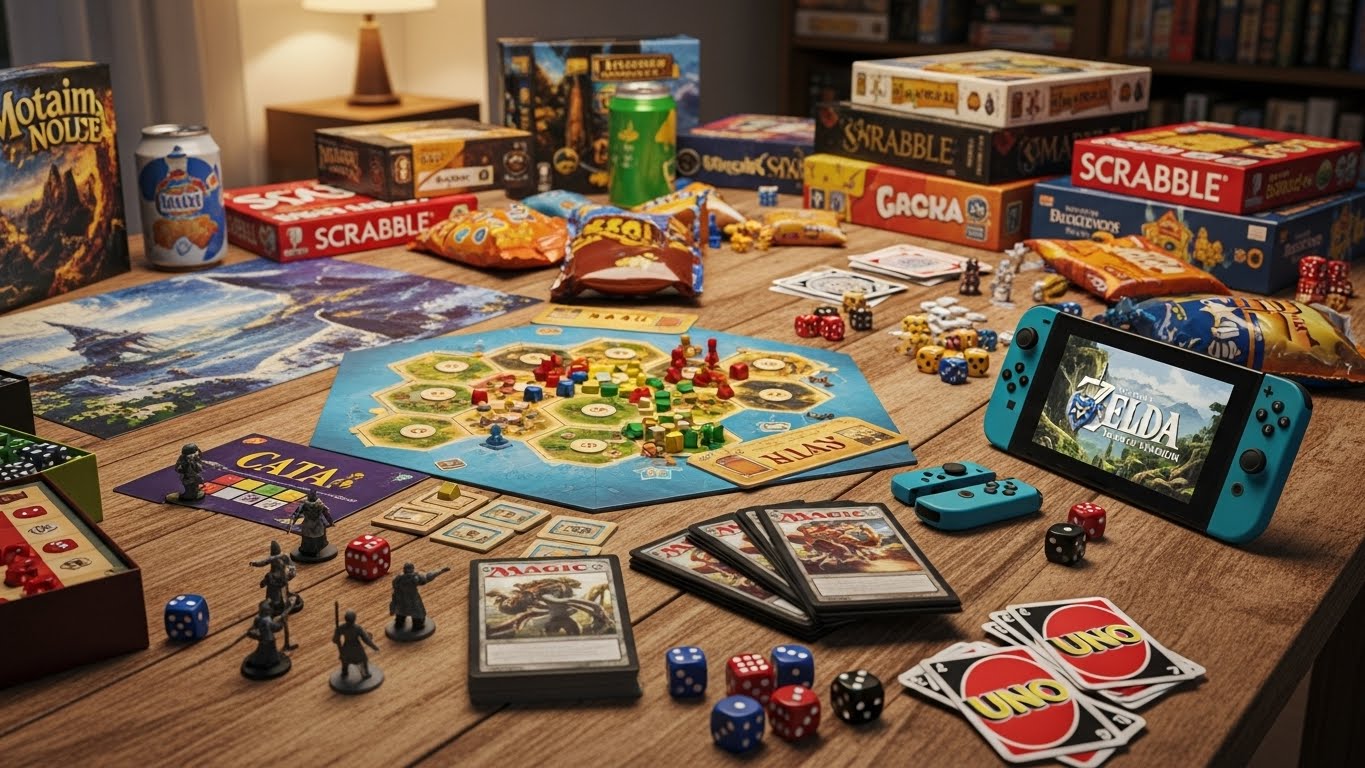
Introduction
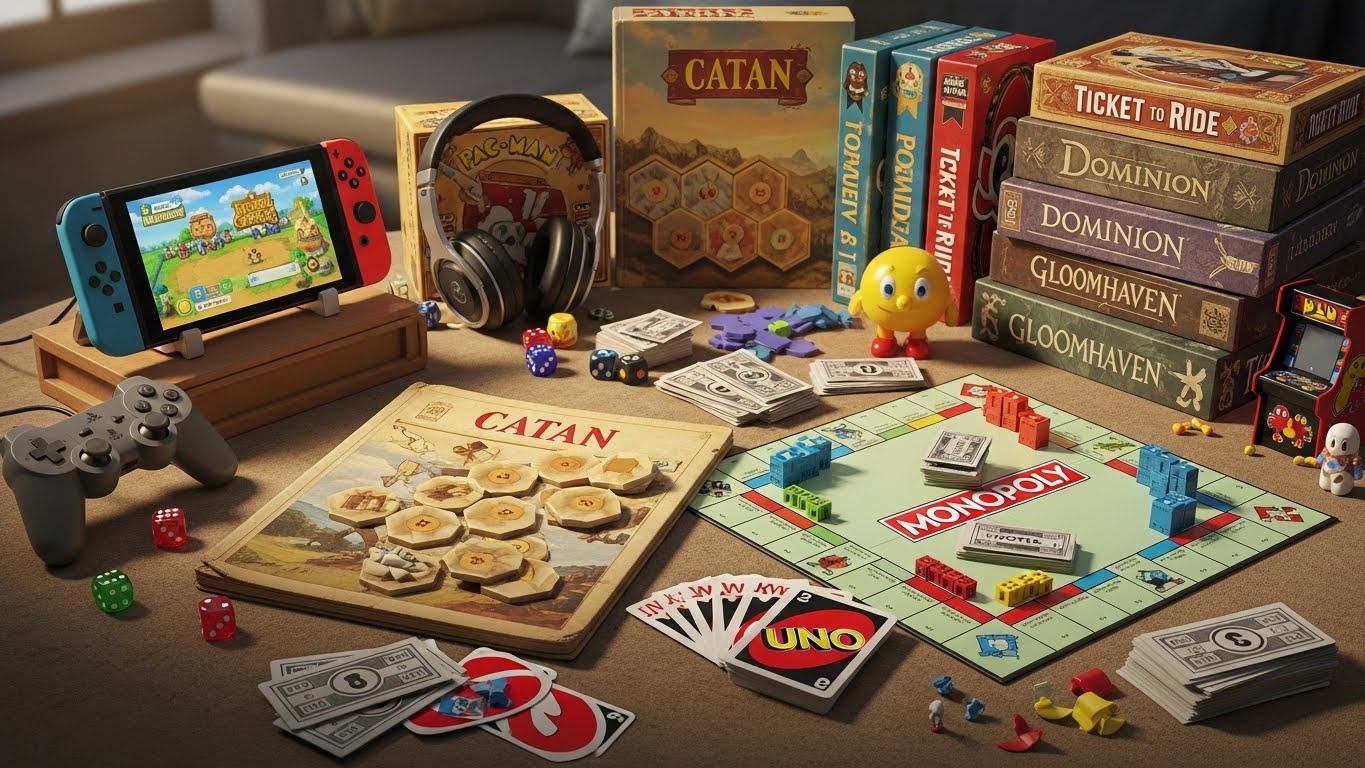
Games have always been a central part of human culture, evolving from simple pastimes to complex, immersive experiences that captivate millions worldwide. From board games and card games to video games and esports, games are more than just recreation—they shape social interactions, encourage strategic thinking, and inspire creativity. In today’s digital age, games influence entertainment, education, technology, and culture in unprecedented ways. This blog explores the evolution of games, their societal impact, technological innovations, and the future of interactive entertainment.
The History and Evolution of Games
Games have existed for thousands of years. Ancient civilizations developed board games like Senet in Egypt, Go in China, and chess in India, combining strategy, skill, and entertainment. These games were not only recreational but also tools for teaching critical thinking, planning, and patience. With the industrial revolution, recreational activities expanded to card games, puzzles, and sports. The 20th century introduced video games, beginning with simple arcade titles like Pong and Space Invaders. Over time, gaming evolved into home consoles, personal computers, mobile devices, and immersive virtual realities, demonstrating how games have adapted to cultural and technological changes.
Games as a Form of Entertainment
Games are one of the most popular forms of entertainment worldwide. Unlike passive forms of media such as television or film, games are interactive, allowing players to actively participate in the narrative and outcome. This interactivity creates a deeper sense of engagement and immersion. From casual mobile games to high-budget console and PC titles, games offer experiences for all ages and interests. They can provide relaxation, mental stimulation, social connection, and storytelling in ways that other entertainment forms cannot replicate.
The Rise of Digital Gaming
Digital gaming has revolutionized the industry. Video games now encompass a wide variety of genres, including role-playing, strategy, simulation, action, and adventure. Advances in graphics, sound, and artificial intelligence have made game worlds more realistic and immersive. Multiplayer online games allow players to interact and compete globally, creating virtual communities and social networks. Digital distribution platforms have made games more accessible, allowing players to download and play instantly. This digital transformation has expanded the reach of gaming and solidified its role in modern entertainment.
The Social Impact of Games
Games are not just entertainment; they play a significant role in social interaction. Multiplayer games foster collaboration, communication, and teamwork. Players form friendships, participate in online communities, and even attend live gaming events and conventions. Games can also bridge cultural gaps, connecting people from different countries and backgrounds. Beyond socialization, games teach life skills such as strategic thinking, problem-solving, and adaptability, proving that games have meaningful educational and social value.
Esports and Competitive Gaming
Esports has elevated gaming into a professional and competitive arena. Multiplayer online games like League of Legends, Dota 2, and Counter-Strike have created international tournaments, professional teams, and millions of spectators. Esports attracts global audiences, with tournaments offering multi-million-dollar prize pools. Professional players train rigorously, focusing on strategy, precision, and teamwork. Esports has transformed gaming into a viable career, elevating it to a status similar to traditional sports. Its growth reflects the increasing cultural legitimacy of games as a competitive and professional pursuit.
Mobile Gaming and Accessibility
Mobile gaming has made games accessible to nearly everyone. Smartphones and tablets allow people to play games anywhere, anytime, and often for free or at low cost. Casual games, puzzles, and strategy titles are particularly popular among a wide range of players, from children to adults. Mobile gaming has democratized access to entertainment, allowing millions of people who might not own consoles or high-end PCs to participate in the gaming culture. Its accessibility has helped expand the global gaming audience dramatically.
The Educational Value of Games
Games have significant educational potential. Puzzle and strategy games improve problem-solving skills, logic, and critical thinking. Simulation and role-playing games can teach real-world skills such as resource management, leadership, and decision-making. Educational games and gamified learning platforms engage students through interactive storytelling and challenges, making learning more enjoyable and effective. By combining entertainment with cognitive development, games offer a unique approach to learning and skill-building.
Technological Innovations in Gaming
Technology has always driven innovation in gaming. Graphics engines, physics simulations, artificial intelligence, and virtual reality have transformed gameplay experiences. Augmented reality games blend the physical and digital world, creating new ways to interact with the environment. Cloud gaming allows players to stream high-quality games without high-end hardware, making gaming more accessible. These technological advancements continue to push the boundaries of what games can achieve, making them more immersive, interactive, and engaging than ever before.
Games and Storytelling
Games have become a powerful medium for storytelling. Unlike traditional media, games allow players to influence narratives through their choices, actions, and interactions. Role-playing games, open-world adventures, and narrative-driven games provide deep, immersive stories that engage players emotionally. Players often form attachments to characters and develop personal connections to the game world. This interactive storytelling allows for unique experiences that differ from one player to another, highlighting the creative potential of games as a narrative medium.
Economic Impact of Games
The gaming industry is a major economic force. Revenue comes from game sales, downloadable content, subscriptions, in-game purchases, and merchandise. Esports tournaments generate sponsorship and advertising opportunities. Game development employs millions worldwide, including designers, programmers, artists, marketers, and support staff. Gaming conventions and live events boost tourism and local economies. As a global industry, gaming contributes significantly to economic growth and innovation, demonstrating that games are both entertainment and business powerhouses.
Games and Mental Well-Being
Games offer benefits for mental health and well-being. They provide a sense of achievement, relaxation, and escapism from daily stressors. Games can improve cognitive abilities such as memory, focus, and decision-making. Multiplayer and cooperative games foster social interaction, reducing feelings of isolation and loneliness. While moderation is important, the positive effects of gaming on mental and emotional health have been widely recognized, making games a valuable tool for personal development and entertainment.
Challenges in Gaming
Despite its many benefits, gaming faces challenges. Concerns include addiction, excessive screen time, toxic online behavior, and exposure to inappropriate content. The gaming industry must also address issues such as piracy, cheating, and fair compensation for developers. Ensuring inclusivity and accessibility for players with disabilities is another ongoing challenge. Addressing these issues responsibly is essential for creating a safe, fair, and enjoyable gaming environment for everyone.
The Future of Gaming
The future of gaming promises innovation, accessibility, and immersion. Virtual reality and augmented reality will continue to redefine how players experience game worlds. Cloud gaming will make high-quality games accessible to more people. Artificial intelligence will create smarter, more responsive game environments. Social and competitive gaming will grow, connecting global communities and fostering collaboration. As technology evolves, games will continue to blend entertainment, education, and creativity, shaping the way we play, learn, and connect in the future.
Conclusion
Games are more than just a form of entertainment; they are a cultural, social, and economic phenomenon. From ancient board games to cutting-edge digital experiences, gaming has evolved to reflect human creativity, strategy, and innovation. It connects people across borders, fosters learning and skill development, and drives technological advancement. As the industry continues to grow, games will remain a powerful medium for storytelling, competition, and community, shaping society in ways that extend far beyond the screen. Games are not just play—they are a reflection of human imagination and the potential of interactive experiences.