 gamercore13
Introduction: More Than Just Fun
Games are often viewed as simple diversions, ways to pass the time or entertain ourselves. However, games are much more than mere play—they are powerful tools for learning, creativity, and social connection. From ancient board games to modern digital experiences, games have shaped human history and continue to influence culture, technology, and personal development. They are not just for children or hobbyists; games are a universal language that engages the mind, body, and emotions.
The Evolution of Games
Games have existed for thousands of years, reflecting the cultures and societies that created them. Early examples include board games like Senet in ancient Egypt, Go in China, and chess in India. These games were not only recreational but also strategic, teaching players planning, critical thinking, and competition. As societies evolved, so did the complexity and diversity of games. The 20th century introduced card games, tabletop role-playing games, and eventually video games, transforming gaming into a global industry. Each era of gaming mirrors technological advancements and cultural shifts, making games both a pastime and a historical record.
Video Games: The Rise of Digital Worlds
The advent of video games revolutionized entertainment. Unlike traditional games, digital games offer immersive, interactive experiences. Players can enter detailed virtual worlds, solve complex challenges, and interact with others globally. Video games span numerous genres, from action and adventure to strategy, simulation, and role-playing. They require critical thinking, coordination, and sometimes collaboration. Video games are also recognized as art forms, combining visuals, storytelling, music, and gameplay mechanics into cohesive experiences that can move and inspire players.
Board Games and Tabletop Gaming
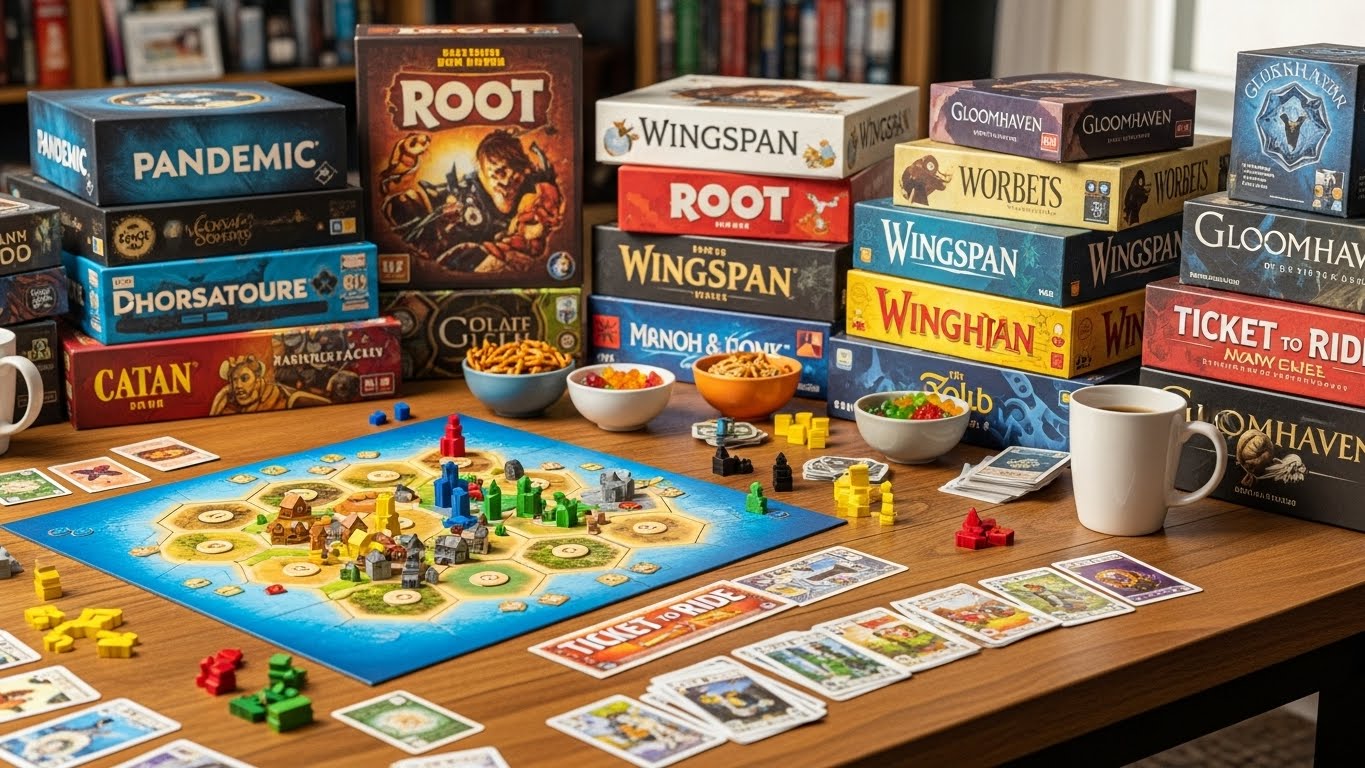
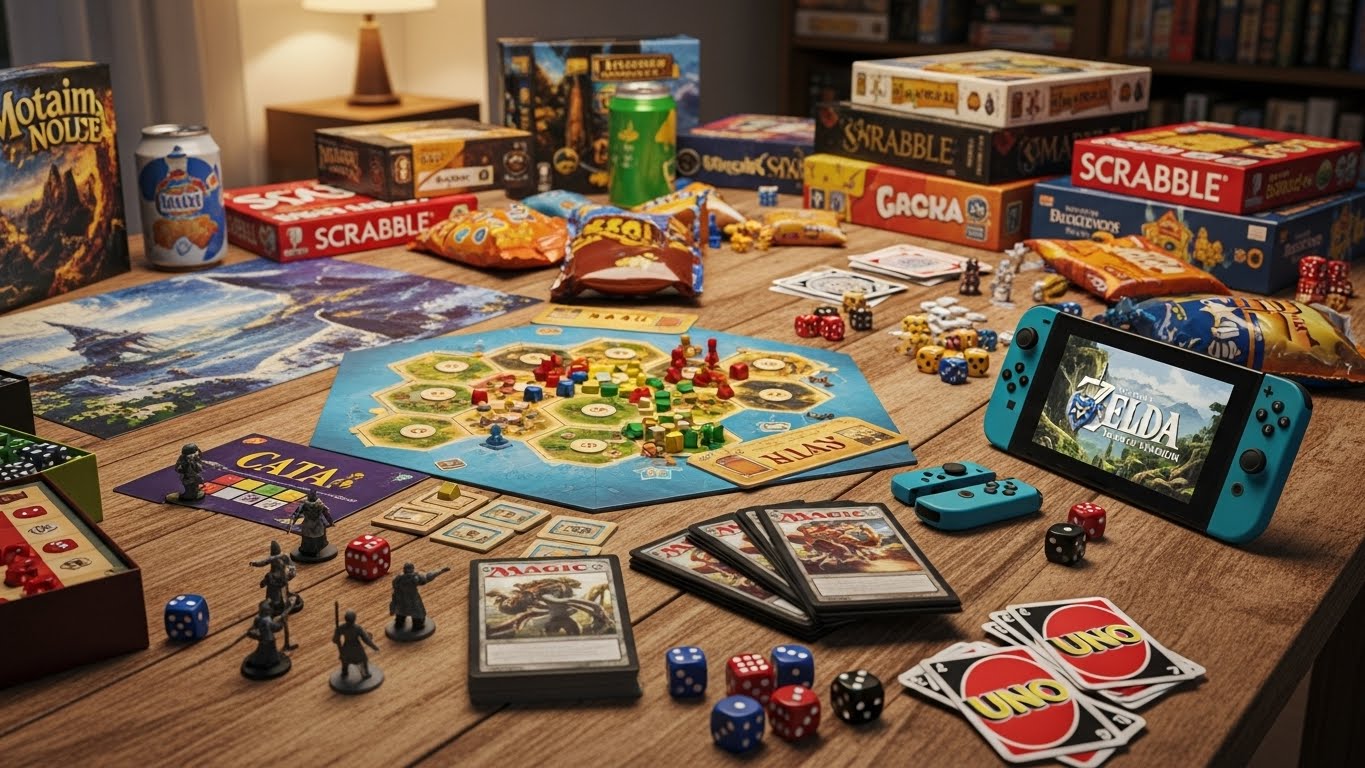
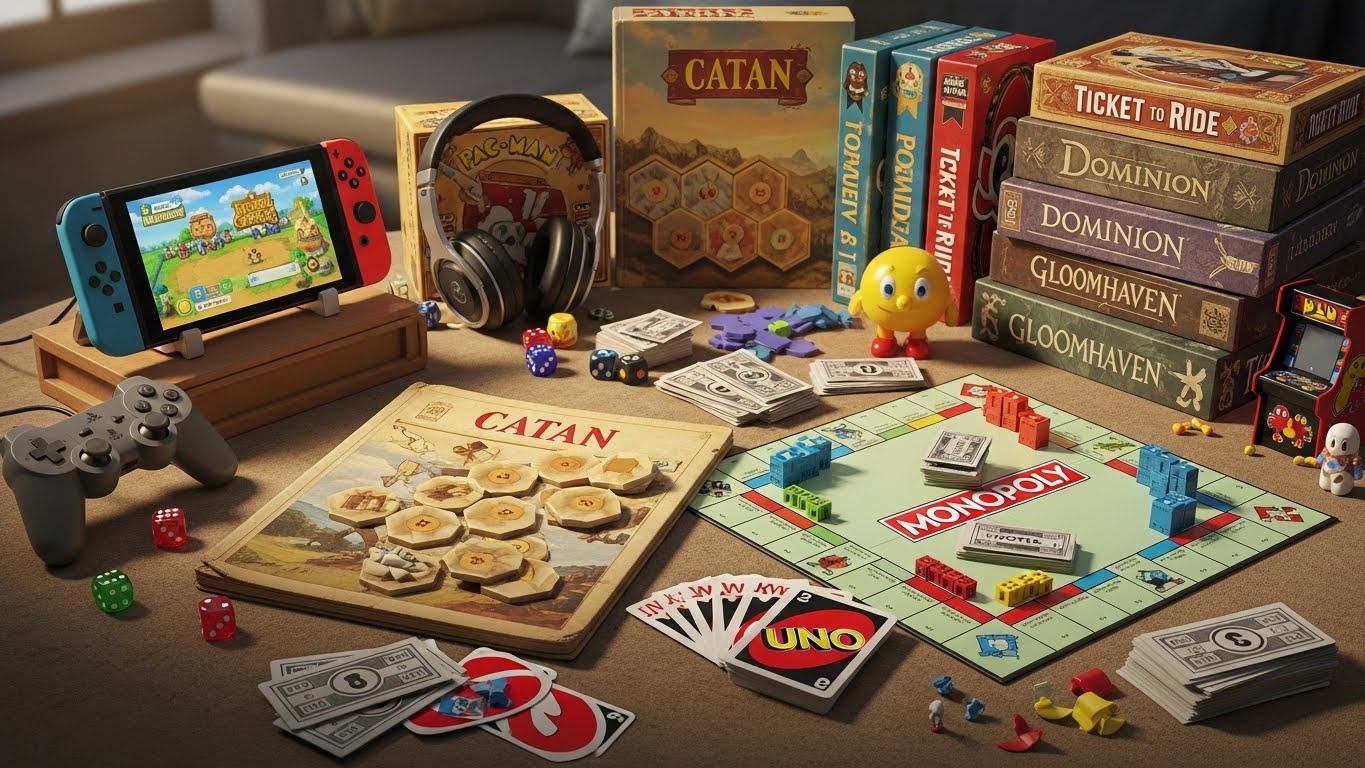
Despite the rise of digital entertainment, board games and tabletop games continue to thrive. Games like Monopoly, Settlers of Catan, and Dungeons and Dragons offer social interaction and strategic thinking in physical spaces. Tabletop games encourage face-to-face communication, teamwork, and creative problem-solving. They also provide a slower, more deliberate pace compared to fast-paced digital gaming, allowing players to engage deeply with rules, strategy, and storytelling. The resurgence of tabletop gaming highlights the enduring appeal of hands-on, communal experiences.
Mobile Gaming: Gaming on the Go
The explosion of smartphones has made gaming more accessible than ever. Mobile games allow people to play anywhere, anytime, breaking down traditional barriers to gaming. Casual games, puzzle challenges, and interactive storytelling apps have introduced millions of people to gaming who may have never considered themselves gamers. Mobile gaming also emphasizes short, engaging sessions, catering to modern lifestyles where time is fragmented but desire for entertainment remains strong. This accessibility has transformed gaming into a ubiquitous part of daily life.
The Psychology of Gaming
Games are more than entertainment; they are powerful tools for mental engagement. They stimulate problem-solving skills, enhance memory, and improve hand-eye coordination. Many games require strategic thinking, planning, and adaptability, providing cognitive exercise similar to brain training. Beyond cognitive benefits, games also impact emotions and social behavior. They can reduce stress, boost confidence, and encourage persistence. Multiplayer games foster collaboration and communication, while competitive games teach resilience and goal-setting. The psychological effects of gaming reveal why it has become an essential part of modern culture.
Storytelling in Games
Modern games often emphasize narrative as much as mechanics. Story-driven games allow players to explore complex worlds, experience compelling characters, and make choices that influence outcomes. Role-playing games, adventure games, and interactive stories blur the line between gaming and literature, giving players a sense of agency in the unfolding narrative. Storytelling in games also allows for exploration of themes such as morality, identity, and culture, offering players experiences that are both entertaining and thought-provoking.
Gaming Communities and Social Connection
Games have a unique ability to connect people. Online multiplayer games, esports, and gaming forums create communities where players share strategies, celebrate victories, and form friendships. These communities transcend geographical boundaries, bringing together individuals with shared interests from around the world. The social aspect of gaming fosters teamwork, communication, and empathy, proving that games are not just solitary activities but powerful platforms for human connection.
Competitive Gaming and Esports
Esports has transformed gaming into a professional, highly competitive industry. Players now compete in tournaments with massive audiences, live streaming, and substantial prize money. Esports combines skill, strategy, teamwork, and dedication, similar to traditional sports. Its growth demonstrates the cultural legitimacy of gaming and its potential for career opportunities. Competitive gaming also inspires younger generations, showing that passion for games can translate into recognition, achievement, and personal growth.
Games as Educational Tools
Beyond entertainment, games are increasingly used in education. Educational games can teach mathematics, language skills, history, and science in engaging ways. Simulations and problem-solving games allow learners to explore scenarios, experiment with outcomes, and develop critical thinking. Gamification of learning encourages motivation, participation, and creativity. By making learning interactive and enjoyable, games provide a unique approach to education that complements traditional methods and helps learners develop skills relevant to the modern world.
The Future of Gaming
The future of gaming promises even greater innovation. Virtual reality and augmented reality are creating fully immersive experiences, while artificial intelligence enhances interactivity and personalization. Games are becoming more inclusive, reflecting diverse cultures, identities, and experiences. The line between games, entertainment, education, and social interaction continues to blur. As technology advances, gaming will evolve into a multi-dimensional platform that engages minds, fosters creativity, and brings people together in unprecedented ways.
Conclusion: Why Games Matter
Games are far more than simple entertainment. They challenge minds, nurture creativity, foster social connections, and reflect cultural values. From ancient board games to cutting-edge virtual worlds, gaming has evolved to meet the changing needs of society. It provides both personal satisfaction and collective experiences, shaping how individuals think, interact, and grow. In celebrating games, we celebrate human ingenuity, imagination, and the timeless joy of play. Games are not just activities—they are reflections of who we are and who we aspire to be.