 gamercore13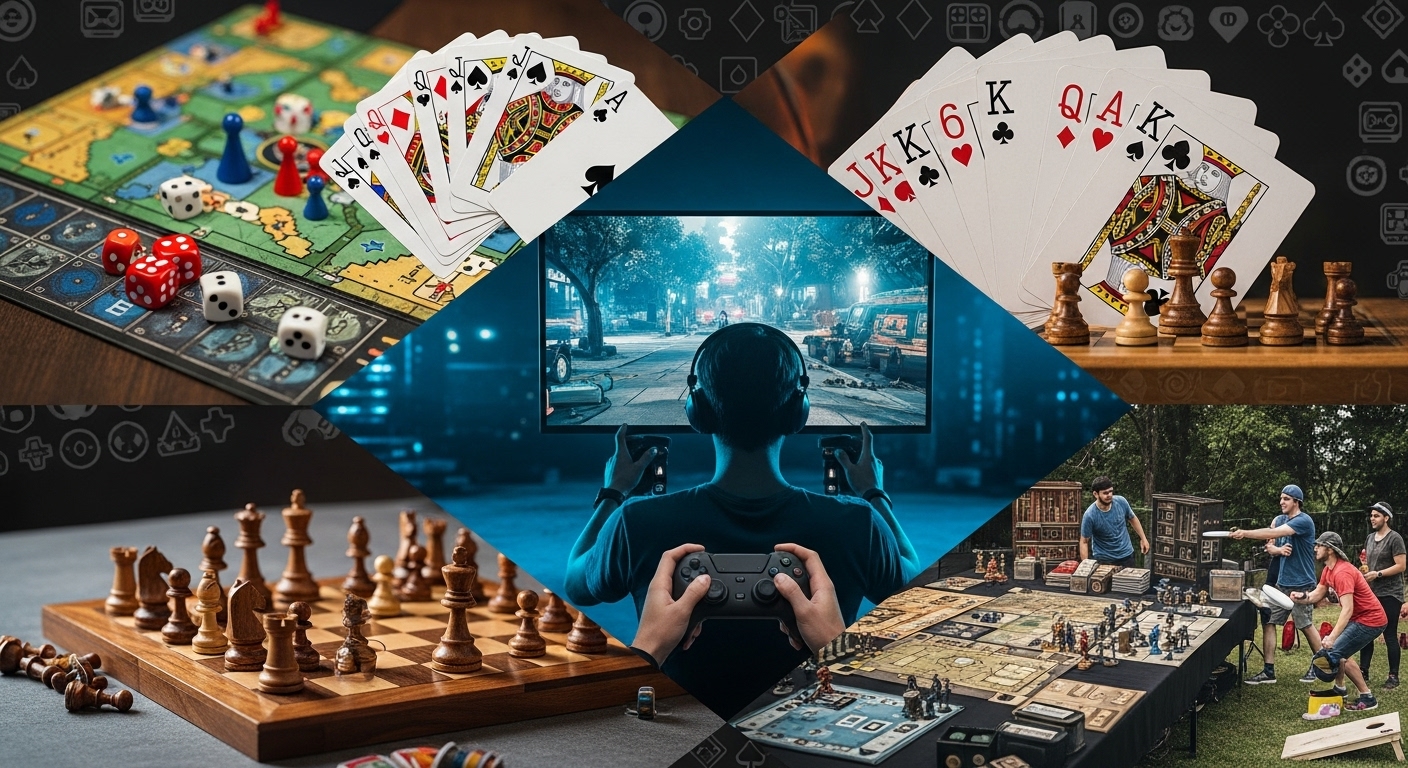
Introduction
Games have been an essential part of human life for centuries. From traditional board games to modern digital experiences, games are more than just entertainment—they foster creativity, problem-solving, and social connection. Across cultures and generations, games teach skills, inspire imagination, and bring people together in meaningful ways.
The Evolution of Games
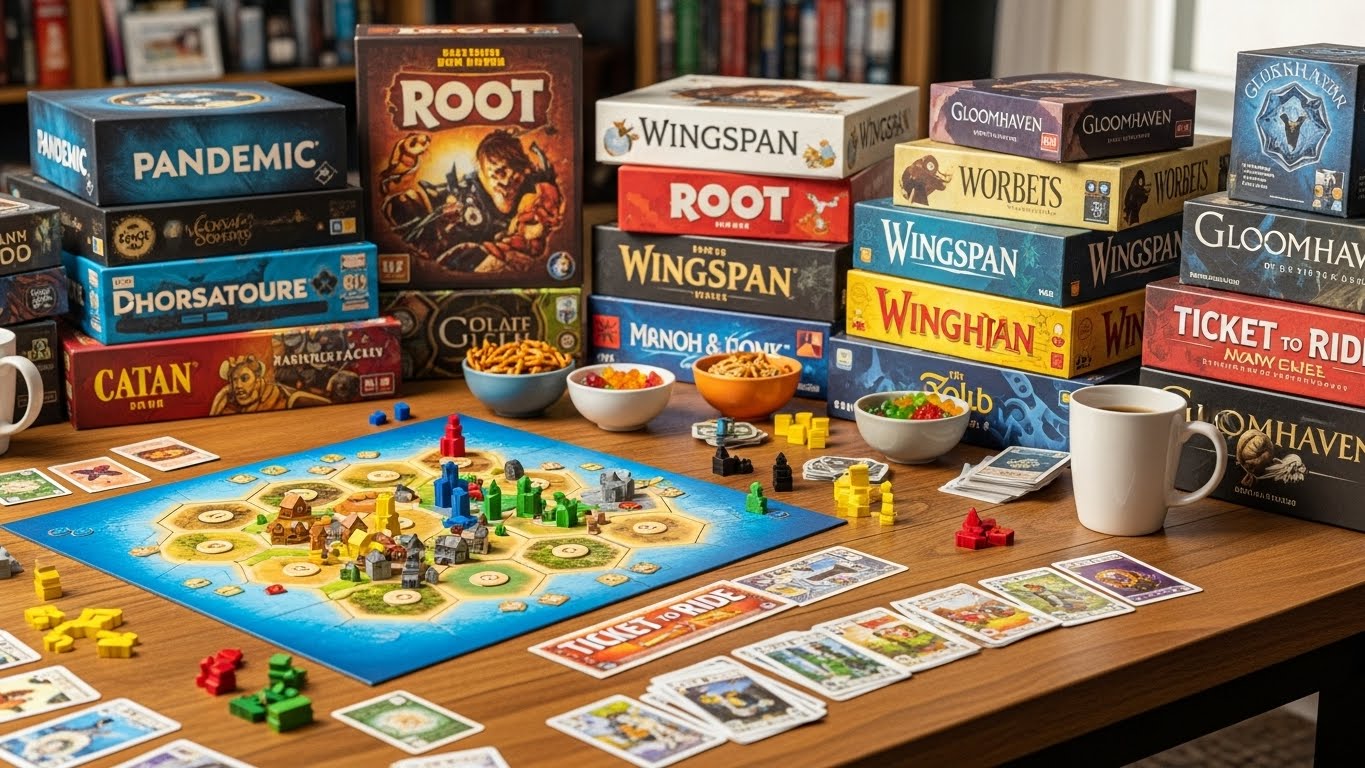
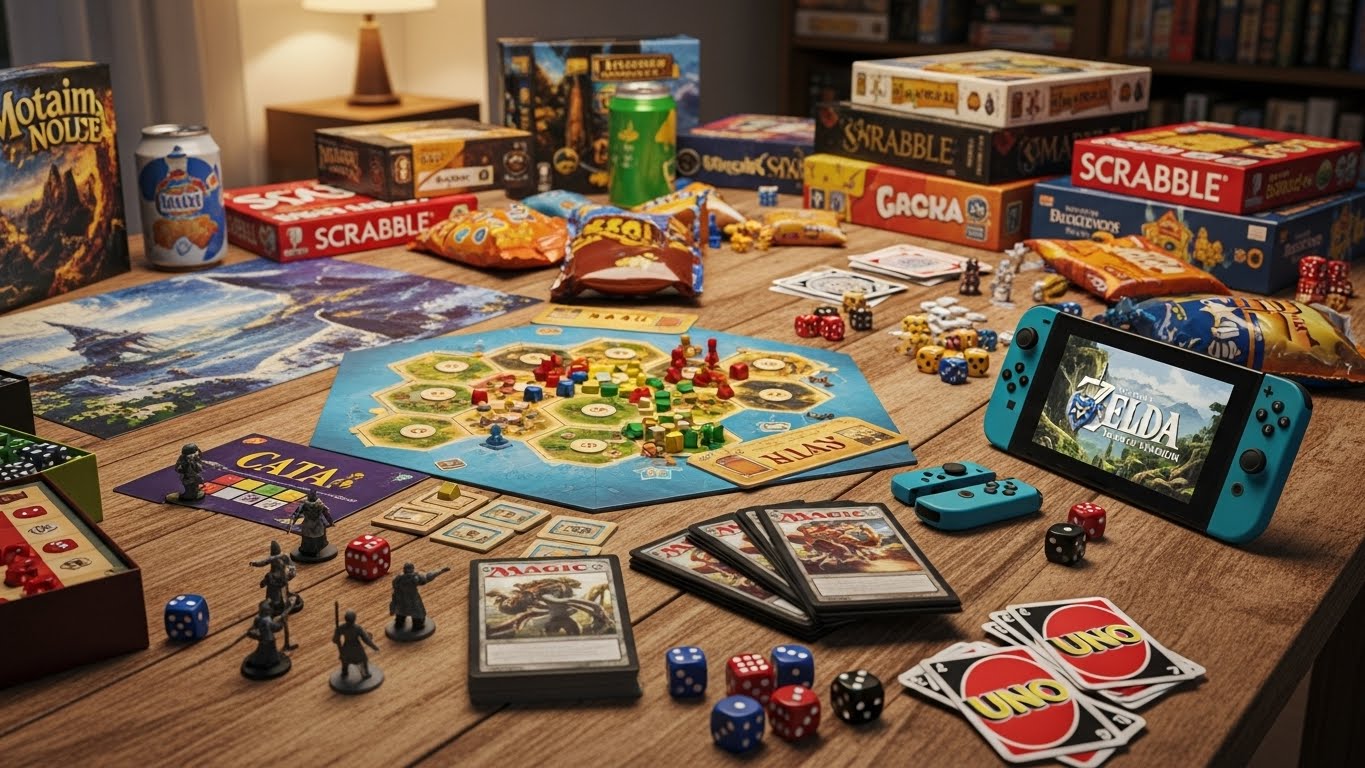
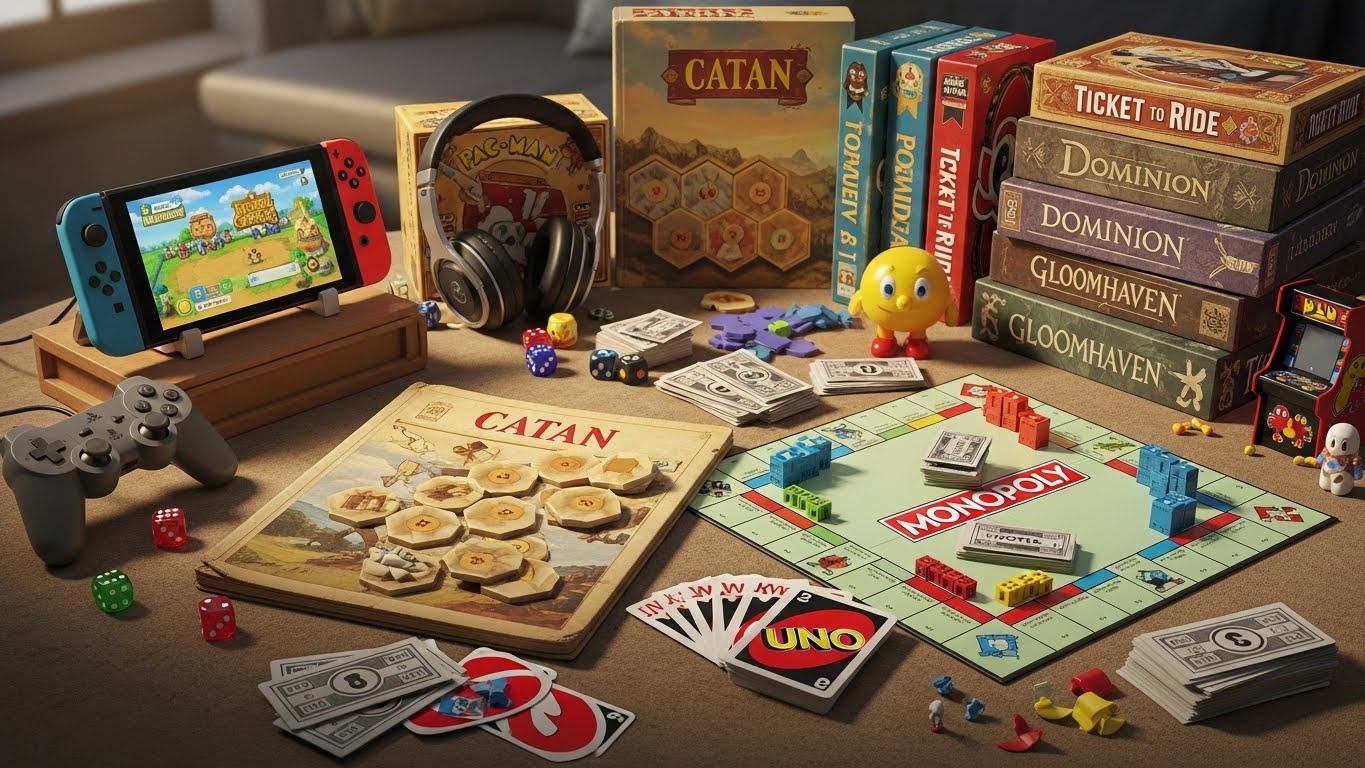
Games have evolved significantly over time. Ancient civilizations enjoyed physical and strategy-based games like chess, dice, and athletic competitions. With technological advancement, video games emerged, offering immersive worlds, intricate storylines, and interactive challenges. Today, games exist in multiple forms—board games, card games, mobile apps, console games, and even virtual reality—making them accessible to everyone.
Games as a Learning Tool
Beyond fun, games are powerful tools for learning. They enhance cognitive abilities such as critical thinking, memory, and strategic planning. Puzzle and strategy games challenge players to think ahead and adapt, while role-playing games encourage creativity and problem-solving. Educational games also help children and adults acquire knowledge in engaging and interactive ways.
Social Benefits of Gaming
Games are a medium for social interaction. Multiplayer and online games allow players to communicate, collaborate, and compete globally. Even traditional games strengthen bonds among friends and family. Playing together teaches teamwork, communication, and empathy, making games not only enjoyable but also valuable for personal and social growth.
The Rise of Digital Gaming
The digital era has transformed the gaming landscape. Video games now offer visually stunning environments, realistic physics, and complex narratives. Competitive gaming and esports have gained prominence, turning gaming into a professional pursuit for many players. Streaming platforms have created communities where fans watch, learn, and connect, demonstrating that games are now both entertainment and cultural phenomena.
Challenges in Modern Gaming
Despite their benefits, games also present challenges. Excessive gaming can lead to sedentary lifestyles, and online interactions may sometimes involve negative behavior. It is essential to balance gaming with physical activity and real-life responsibilities. Promoting positive gaming habits ensures that the experience remains healthy, enjoyable, and enriching.
The Future of Games
The future of games is exciting and full of possibilities. Virtual reality, augmented reality, and cloud-based gaming promise more immersive experiences than ever before. As technology advances, games will continue to push boundaries, offering innovative ways to learn, connect, and entertain. The evolution of games ensures they will remain a central part of human culture for generations to come.
Conclusion
Games are far more than a source of entertainment—they shape creativity, foster learning, and build social connections. From ancient board games to modern digital experiences, games inspire imagination, teach valuable skills, and bring people together. As technology and innovation continue to evolve, games will remain a powerful and timeless way to engage, challenge, and unite people worldwide.