 gamercore13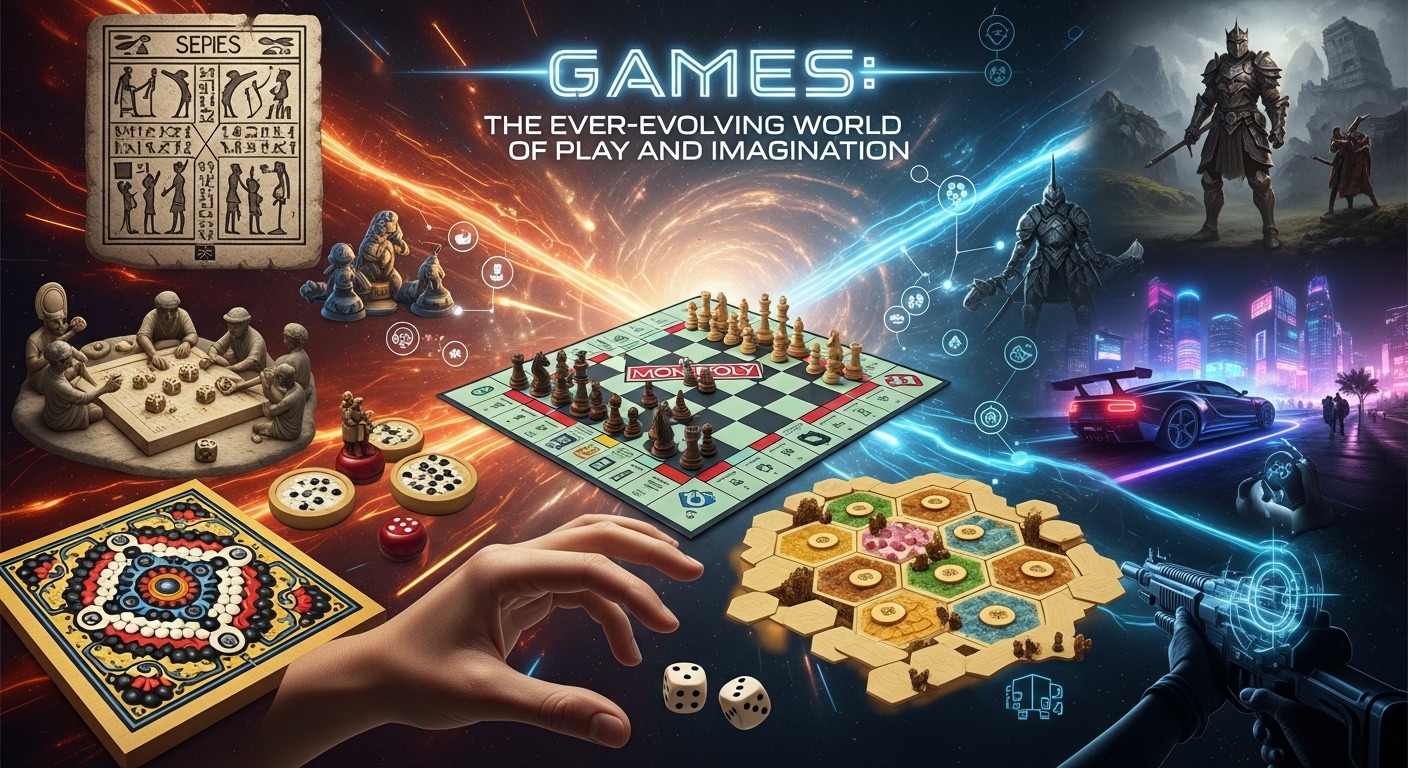
Introduction to the World of Games
Games have always been more than just a way to pass time. They are a reflection of culture, creativity, and the human instinct for challenge and fun. Whether it’s the ancient board games carved on stone or the digital universes that exist within our screens today, games have evolved into one of the most influential forms of entertainment and expression. From children’s playground activities to complex virtual worlds with millions of players, games have shaped how people connect, compete, and create.
The Ancient Origins of Gaming
The history of games goes back thousands of years. Long before electricity, consoles, or computers, humans played games to test skill, luck, and strategy. In ancient Egypt, people played Senet, one of the earliest known board games, which symbolized the journey of the soul through the afterlife. The Chinese developed Go, a game of strategy still played around the world today. The ancient Indians gave us Chaturanga, the early form of chess that evolved into one of the most intellectually respected games in history.
Games in ancient civilizations were not just entertainment—they often had spiritual or educational meaning. They taught patience, strategy, and moral lessons. Playing was both fun and instructive, helping societies pass down wisdom through interactive learning.
The Rise of Board and Card Games
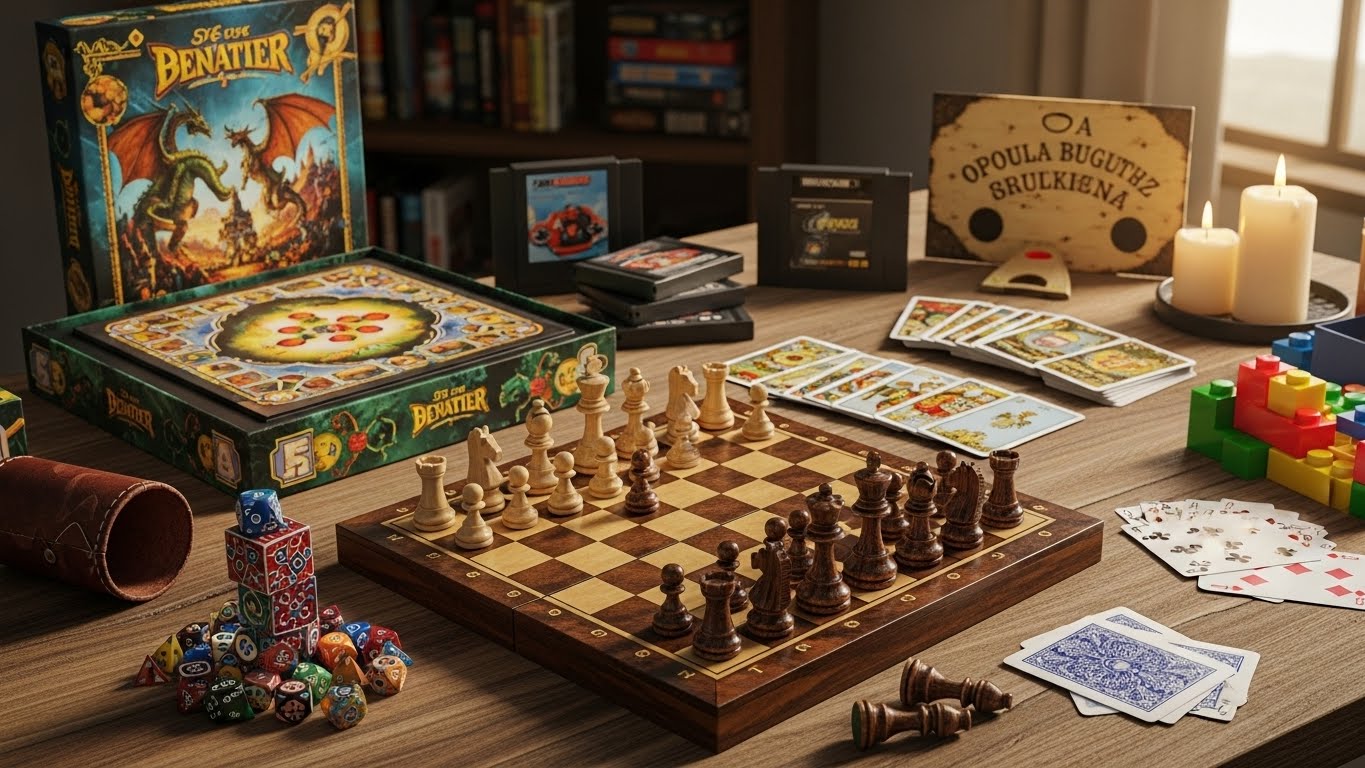
As time progressed, board and card games became the cornerstone of family entertainment. During the Middle Ages, chess spread across Europe and became associated with nobility and intellect. Later, games like checkers, backgammon, and dominoes took root among common people, creating shared experiences in homes and taverns alike.
Card games added an entirely new dimension. With the invention of paper cards in China, and their spread to the Islamic world and Europe, a new era of play began. Games like poker, rummy, and bridge became not only forms of recreation but also elements of social culture. These games encouraged interaction, risk-taking, and strategy, bringing people together across generations.
The Birth of Digital Gaming
The mid-20th century introduced a revolution that would change entertainment forever—the birth of digital games. What began as simple experiments in laboratories turned into a multi-billion-dollar global industry. In 1958, physicist William Higinbotham created Tennis for Two, a rudimentary tennis simulation displayed on an oscilloscope. Then, in the early 1970s, Pong by Atari captured the imagination of millions and set the stage for the video game boom.
The 1980s became known as the golden age of arcade gaming. Titles like Pac-Man, Donkey Kong, and Space Invaders became cultural icons. Arcades were filled with flashing lights, pixelated characters, and the sounds of victory and defeat. For many people, gaming became a social experience—meeting friends, challenging rivals, and chasing high scores.
The Evolution of Consoles and Home Gaming
As technology advanced, so did the desire to bring games into the home. The first wave of gaming consoles, like the Atari 2600 and the Nintendo Entertainment System (NES), revolutionized family entertainment. Suddenly, gaming was no longer limited to arcades—it was something that could be experienced from the comfort of one’s living room.
Nintendo introduced beloved characters such as Mario, Zelda, and Donkey Kong, while Sega brought Sonic the Hedgehog to life. These icons became household names and defined entire generations of players. The competition between companies like Nintendo, Sega, and later Sony and Microsoft, pushed innovation at an incredible pace. Each generation of consoles offered better graphics, richer worlds, and more immersive gameplay.
The Explosion of PC Gaming
While consoles were dominating living rooms, the personal computer was quietly creating its own gaming empire. PC gaming offered something different—flexibility, complexity, and depth. In the 1990s, games like Doom, Warcraft, and SimCity showcased the power of personal computers. Players could now experience vast 3D environments, online multiplayer modes, and endless modifications created by fans.
The strategy genre thrived on PC, with titles like Age of Empires and StarCraft setting the standard for real-time tactics. Role-playing games (RPGs) like Baldur’s Gate and The Elder Scrolls allowed players to lose themselves in sprawling fantasy worlds. Meanwhile, simulation games gave players the chance to build, manage, and experiment in creative ways.
The Arrival of Online Gaming
Perhaps the most significant leap in gaming came with the rise of the internet. Suddenly, games were no longer limited to single-player experiences or local multiplayer. Online connectivity allowed players from across the globe to compete, collaborate, and communicate in real time.
Massively multiplayer online role-playing games (MMORPGs) like World of Warcraft transformed gaming into a shared social universe. Players could create avatars, form alliances, and embark on adventures with others, forming digital friendships that often extended into the real world. Online shooters like Counter-Strike and Call of Duty created competitive communities that would later evolve into the foundation of modern esports.
The Modern Gaming Landscape
Today, gaming is one of the most dominant forms of entertainment on Earth. The line between movies, music, and games has blurred as developers create cinematic experiences with emotional storytelling and breathtaking visuals. Titles like The Last of Us, Red Dead Redemption 2, and God of War have demonstrated that games can evoke deep emotions, rivaling the storytelling of film and literature.
At the same time, the indie game revolution has empowered small developers to create innovative and personal works without massive budgets. Games like Undertale, Celeste, and Hollow Knight have shown that creativity and heart often matter more than flashy graphics or big names.
The Rise of Mobile Gaming
The introduction of smartphones changed gaming yet again. Suddenly, anyone with a mobile device could become a gamer. Mobile games reached audiences who had never touched a console or computer before. Titles like Angry Birds, Candy Crush, and Clash of Clans became worldwide phenomena, played by millions daily.
Mobile gaming also blurred the line between casual and serious gaming. People could play for a few minutes during a break or invest hours mastering strategy-based apps. This accessibility made gaming truly universal—something for all ages and backgrounds.
Esports: Gaming as Competition and Culture
In the last decade, esports has become one of the fastest-growing industries in entertainment. Competitive gaming has evolved from small LAN parties into massive global tournaments watched by millions. Games like League of Legends, Dota 2, and Fortnite have professional players, coaches, and even analysts, much like traditional sports.
The rise of streaming platforms and live broadcasting has given players celebrity status. Esports athletes train, practice, and compete for prize pools worth millions of dollars. The spectacle, energy, and excitement around esports events have made them cultural moments, showing how far gaming has come from its humble beginnings.
The Role of Storytelling in Games
What makes modern games so powerful is not just gameplay mechanics but storytelling. Unlike films or books, games allow players to participate in the story. They make choices, face consequences, and shape outcomes. This interactivity makes gaming one of the most immersive narrative mediums ever created.
Games like The Witcher 3, Life is Strange, and Detroit: Become Human explore moral dilemmas and emotional experiences. They allow players to walk in different shoes, understand new perspectives, and make difficult decisions that shape the journey. Through storytelling, games have evolved into profound works of art.
The Psychology of Gaming
Beyond entertainment, games have a deep psychological impact. They stimulate the brain, improve problem-solving skills, and enhance memory and reflexes. Studies have shown that certain games can improve cognitive abilities and teamwork. Multiplayer experiences promote communication and cooperation, while solo games provide stress relief and a sense of achievement.
Games also tap into human motivation systems. Rewards, progression, and challenges keep players engaged. The sense of mastery that comes from conquering difficult levels or achieving victory fuels satisfaction and confidence. At their core, games fulfill the human desire to explore, learn, and overcome obstacles.
The Artistic Side of Gaming
Today’s games are visual masterpieces. Artists, writers, and composers collaborate to create experiences that are both aesthetically stunning and emotionally moving. The art direction of games like Journey, Ori and the Blind Forest, and Ghost of Tsushima proves that gaming can be as visually breathtaking as any painting or film.
Soundtracks have also become integral to the emotional power of games. Composers craft music that heightens tension, excitement, and wonder. The melodies of classic games are etched into memory, becoming part of pop culture. The artistry of gaming has elevated it to a respected creative field.
The Social Side of Gaming
Gaming is no longer a solitary pursuit. Online communities, co-op experiences, and multiplayer worlds bring people together across continents. Players form friendships, join clans, and share moments of triumph and defeat. In many ways, gaming has become a new social language.
For younger generations, gaming serves as a space to connect, learn teamwork, and express creativity. Games like Minecraft allow users to build worlds collaboratively. Virtual spaces in games like Roblox and Fortnite host concerts, events, and gatherings—proving that gaming is now a part of social life as much as physical spaces.
The Future of Gaming: Virtual Reality and Beyond
The future of gaming looks even more exciting. Virtual Reality (VR) and Augmented Reality (AR) are creating new dimensions of immersion. With headsets and motion controls, players can physically interact with digital environments. Games like Half-Life: Alyx have shown the incredible potential of VR storytelling.
Artificial intelligence is also reshaping how games are developed and played. Smarter opponents, adaptive worlds, and dynamic narratives are becoming the norm. Meanwhile, cloud gaming promises to remove hardware limitations, allowing people to stream high-quality games from any device.
As technology continues to evolve, the boundaries of gaming will continue to expand. The next generation may experience games in ways we can barely imagine today—perhaps through neural interfaces, holograms, or shared virtual worlds indistinguishable from reality.
The Cultural Impact of Games
Games are not just entertainment; they are a global cultural force. They influence fashion, music, language, and art. Phrases, symbols, and references from games appear in movies, advertisements, and everyday conversation. Gaming conventions draw millions of fans worldwide, celebrating creativity and community.
More importantly, games are beginning to shape education, therapy, and even politics. Teachers use interactive games to engage students. Therapists use virtual environments to treat anxiety and trauma. Games have become a medium for expression, communication, and healing.
The Challenges in the Gaming Industry
Despite its success, the gaming industry faces challenges. Issues like addiction, toxicity in online communities, and crunch culture in development studios have sparked debates about ethics and responsibility. Developers and companies are now working to create healthier environments—for both players and creators.
Inclusivity is another major conversation. The industry is moving toward greater diversity in characters, stories, and creators. Representation matters, and the games of the future are becoming more reflective of the world’s richness and complexity.
The Enduring Power of Play
At its heart, gaming is about play—a fundamental human experience. Play inspires creativity, fosters learning, and brings joy. It bridges gaps between cultures, generations, and identities. Whether you’re a casual mobile player or a dedicated esports competitor, gaming provides a space for exploration and connection.
The beauty of games lies in their diversity. There’s something for everyone—puzzle solvers, storytellers, strategists, dreamers, and adventurers. Every game tells a story, every player experiences it differently, and every generation leaves its mark on this ever-evolving art form.
Conclusion: Why Games Matter
Games have journeyed from simple stones and sticks to breathtaking digital universes. They have evolved alongside humanity, reflecting our imagination, intelligence, and desire to connect. Today, gaming stands as one of the most powerful forms of expression—a blend of technology, art, and emotion.
Whether played for competition, relaxation, or storytelling, games remind us of something timeless: the joy of discovery. They challenge our minds, inspire our creativity, and bring people together in ways nothing else can. As technology and imagination continue to grow hand in hand, the future of gaming will remain as limitless as the human spirit itself.