 gamercore13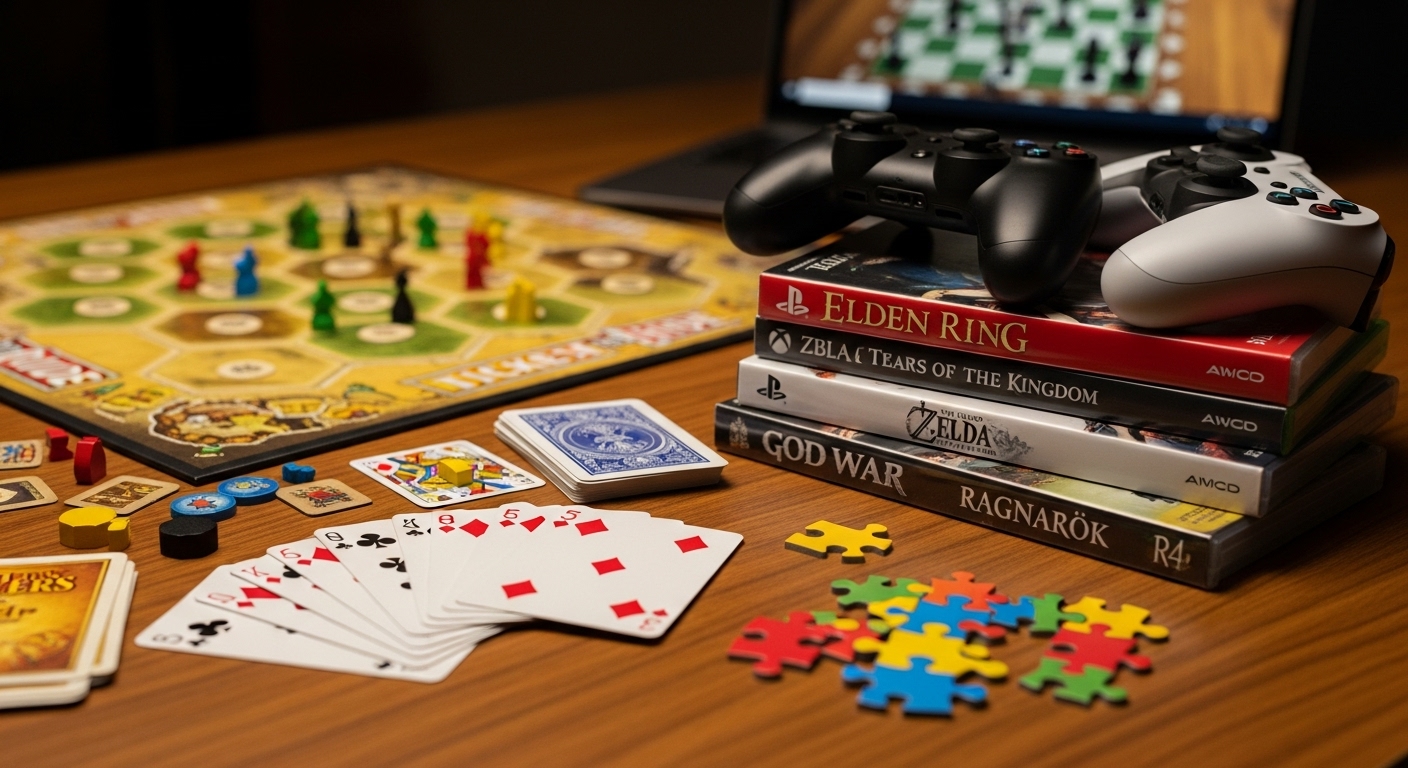
Introduction
Games have always been an integral part of human civilization. From ancient board games carved into stone to digital worlds powered by advanced graphics, the idea of playing games has transcended generations and technologies. Games are not merely a source of entertainment—they are a reflection of creativity, strategy, imagination, and human connection. In today’s digital era, gaming has evolved into one of the most powerful cultural and technological forces on the planet. It influences art, education, storytelling, and even social relationships. This evolution shows that games are far more than just play—they are a universal language of fun, challenge, and discovery.
The Ancient Roots of Gaming
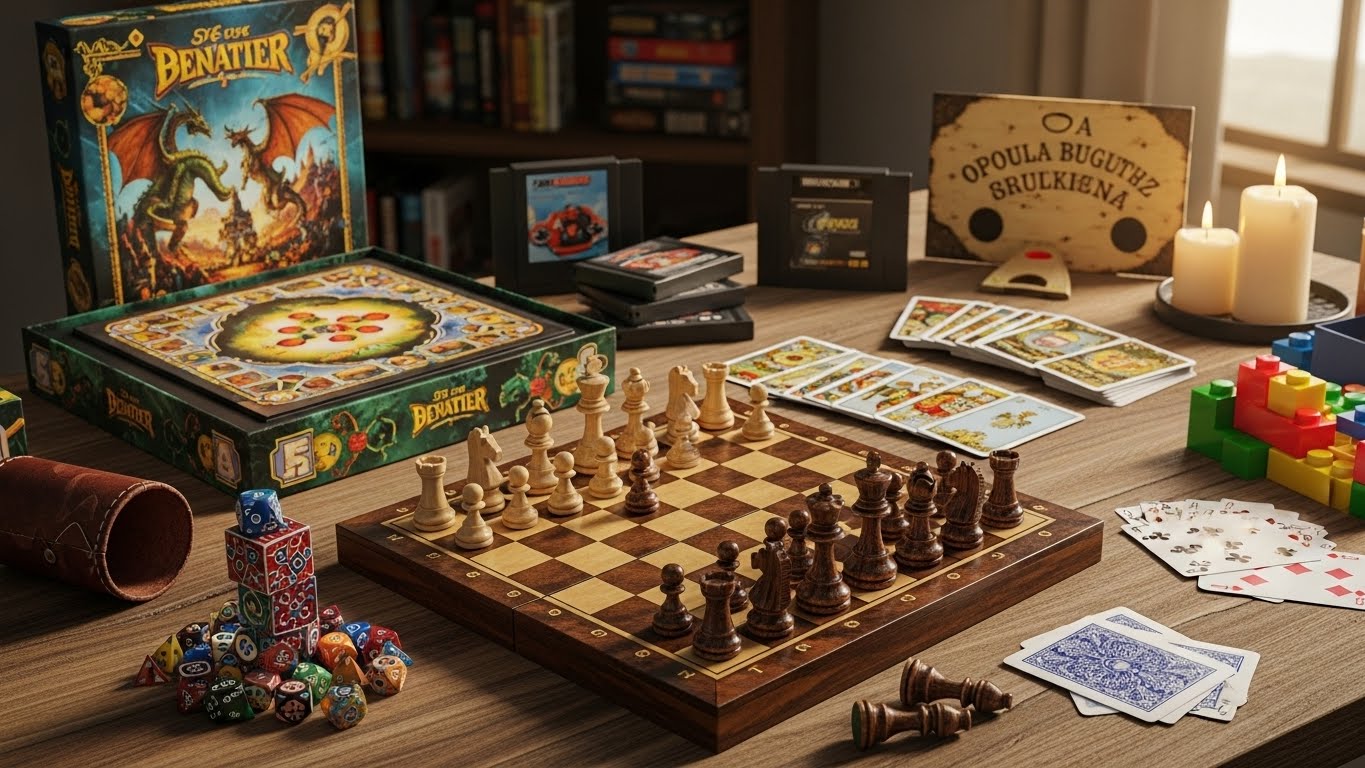
Before video games and consoles, people engaged in games as a way to connect, learn, and compete. Ancient civilizations like Egypt, China, and Mesopotamia developed board games that required strategy and luck. Games such as Senet, Go, and Chess were more than just entertainment—they taught patience, logic, and problem-solving.
These traditional games laid the foundation for modern gaming principles. They introduced the concept of rules, objectives, and progression—elements that are still present in today’s video games. Whether rolling dice, moving tokens, or solving riddles, early games shaped how humans understood competition, cooperation, and the thrill of victory.
The Birth of the Digital Game Era
The mid-20th century marked the dawn of digital gaming. Early programmers experimented with simple electronic games that could be played on computers or arcade machines. The 1970s brought titles like Pong and Space Invaders, which ignited the first wave of gaming enthusiasm. People lined up in arcades to experience this new form of entertainment that combined technology with interactivity.
By the 1980s, the gaming revolution had entered homes with consoles like the Atari, Nintendo Entertainment System, and Sega. These systems brought iconic characters such as Mario, Pac-Man, and Sonic to life. Each game offered not only fun but also innovation—side-scrolling adventures, platform challenges, and competitive multiplayer gameplay.
This was also the time when gaming began developing its identity as an art form. Designers started focusing on storytelling, world-building, and character development. Games became experiences rather than simple time-pass activities.
The Rise of Immersive Gaming
The 1990s and 2000s marked a massive leap forward in gaming technology. The introduction of 3D graphics, powerful consoles, and advanced computers changed the way players interacted with games. Titles like The Legend of Zelda: Ocarina of Time, Half-Life, and Final Fantasy VII showed that games could tell emotional and cinematic stories that rivaled movies.
The introduction of online multiplayer modes allowed gamers to connect with others worldwide. Instead of playing alone, players could now join forces or compete in real-time. This evolution gave rise to communities, friendships, and even rivalries that spanned continents.
Technological improvements also gave birth to new genres such as open-world games, where players could explore vast digital landscapes freely. The feeling of freedom and discovery became a defining trait of modern gaming, turning it into a deeply personal and interactive experience.
The Emotional Power of Games
Games are unique because they allow players to live stories rather than just watch them. They evoke emotions by making the player part of the journey. The joy of solving a puzzle, the tension of a close battle, or the sadness of losing a beloved character—these feelings are powerful because they are experienced directly through action.
Many modern games explore complex human emotions and social themes. Games like The Last of Us, Journey, and Life is Strange delve into love, loss, hope, and identity. Through immersive storytelling and choice-driven gameplay, they make players reflect on their own values and emotions.
Games can also serve as emotional therapy. They provide an escape from daily stress, giving players a sense of control and achievement. In times of loneliness, online games offer companionship and shared purpose. This emotional depth is what sets gaming apart from other entertainment forms.
Games as a Tool for Learning and Creativity
The educational potential of games is immense. Beyond entertainment, games can be powerful tools for learning and skill development. Strategy and simulation games like Civilization or SimCity encourage planning, decision-making, and resource management. Puzzle games enhance problem-solving abilities, while adventure games stimulate curiosity and exploration.
In schools and universities, educators use games to teach subjects ranging from history to science. Learning through play helps students engage with complex topics in a fun and interactive way. Games can turn abstract ideas into practical experiences, making learning more effective and enjoyable.
Moreover, games inspire creativity. Players who build cities, design characters, or create levels are expressing their imagination. Game development itself has become a form of art, combining coding, music, storytelling, and visual design. The creativity sparked by games often extends beyond the screen, encouraging players to write, draw, and innovate in real life.
The Social Dimension of Gaming
In the modern world, gaming has become one of the most social forms of entertainment. Online multiplayer games and virtual communities allow players to connect across borders and cultures. People who may never meet in person can team up, compete, and share experiences in real-time.
Games like Minecraft, Fortnite, and Among Us have become digital meeting spaces for millions of people. Players collaborate to build, survive, or simply have fun together. This sense of community fosters teamwork, communication, and empathy.
Gaming has also bridged generational gaps. Parents and children can play together, strengthening family bonds. Seniors engage in gaming to stay mentally active and socially connected. In many ways, games are breaking down barriers and uniting people through shared experiences and emotions.
Esports and the Rise of Professional Gaming
Esports, or competitive gaming, has transformed how the world views games. What was once a casual hobby is now a professional industry with global tournaments, sponsors, and huge audiences. Players train for hours each day, honing their reflexes, strategies, and teamwork.
Games like League of Legends, Dota 2, and Counter-Strike have become international sensations, with world championships drawing millions of viewers. Esports athletes earn recognition comparable to traditional sports stars, and universities now offer scholarships for gaming excellence.
This professionalization has also created new career paths beyond playing. There are opportunities in game design, commentary, broadcasting, and event management. Esports showcases the competitive spirit and discipline that gaming can inspire, proving that digital play can be as demanding and rewarding as physical sports.
The Business and Economy of Games
The gaming industry is one of the largest entertainment sectors in the world, surpassing both music and film in revenue. With billions of players globally, gaming drives technological innovation, job creation, and digital commerce.
Mobile gaming, in particular, has expanded access to millions of new players. Simple yet engaging games on smartphones have made gaming a daily activity for people of all ages. Meanwhile, indie developers have risen to prominence by creating innovative games that capture audiences without massive budgets.
The business model of gaming has also evolved. Beyond selling titles, developers earn revenue through in-game purchases, subscriptions, and expansions. This has changed how games are developed and supported, creating long-term engagement between creators and players.
The Role of Technology in Modern Gaming
Modern games are powered by some of the most advanced technology in the world. Graphics engines create lifelike visuals, while artificial intelligence makes in-game characters more realistic and unpredictable. Cloud gaming allows players to stream high-quality games without expensive hardware, breaking accessibility barriers.
Virtual Reality and Augmented Reality have taken immersion to new levels. VR headsets transport players into 360-degree worlds where they can interact with the environment physically. AR games blend the real world with digital elements, turning everyday surroundings into playgrounds.
As technology continues to evolve, the line between reality and digital experience grows thinner. Future games may integrate holograms, neural interfaces, or even brain-controlled systems, making play more natural and immersive than ever before.
The Psychological and Cultural Impact of Games
Games have a deep psychological and cultural influence. They stimulate creativity, encourage goal-setting, and reward persistence. Many players use gaming as a way to relax and de-stress, finding comfort in virtual challenges and achievements.
Culturally, games have become storytelling platforms that reflect society’s hopes, fears, and values. They explore themes such as justice, freedom, and survival. Gaming communities often form their own traditions, languages, and memes, creating shared digital cultures that mirror real-world social interactions.
Moreover, games have sparked important conversations about representation, diversity, and ethics. Developers are increasingly including diverse characters, inclusive narratives, and accessibility features to make gaming more welcoming to everyone.
Challenges and the Path Forward
Despite its many benefits, gaming faces challenges such as addiction, toxic behavior, and over-commercialization. It is crucial for players to maintain balance and for developers to encourage healthy gaming habits. Awareness, education, and responsible design can ensure that gaming remains a positive and enriching experience.
Developers are now focusing on mental health awareness, moderation tools, and parental controls. The goal is to create an environment where players can enjoy games safely and responsibly while preserving their well-being.
The Future of Games: Where Imagination Meets Reality
The future of gaming is limitless. As artificial intelligence, virtual reality, and cloud computing continue to evolve, games will become even more immersive, intelligent, and interactive. The idea of the metaverse—a shared digital universe—may redefine how humans play, work, and socialize.
Games will continue to expand beyond entertainment into areas like education, health, and creativity. They will become tools for innovation and expression, helping people explore ideas and emotions in new ways.
In the years to come, gaming will not just be a form of play but a fundamental part of human life—a space where imagination meets reality, and creativity knows no boundaries.
Conclusion
Games are far more than a pastime. They are reflections of human curiosity, intelligence, and imagination. From ancient boards to virtual worlds, games have evolved alongside humanity, teaching, entertaining, and inspiring millions. They challenge our minds, connect our hearts, and shape our future.
As technology and creativity continue to merge, the possibilities of gaming are endless. The worlds we build on screens today may become the realities we live in tomorrow. Games remind us that play is not a distraction—it is a celebration of what it means to be human. Through games, we learn, dream, and discover infinite worlds both within and beyond ourselves.