 gamercore13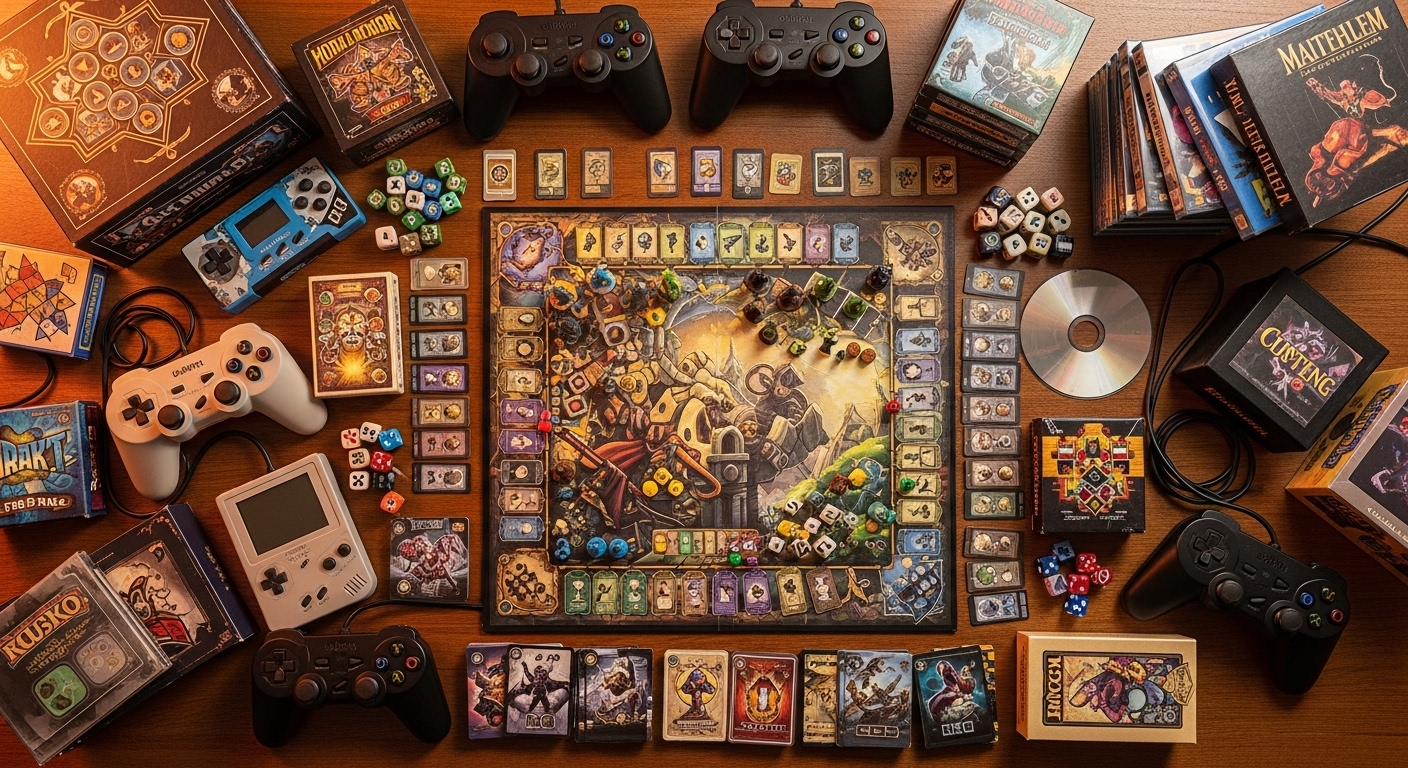
Video games have come a long way from their humble beginnings as simple pixelated diversions. Over the past few decades, gaming has evolved into a multi-billion-dollar industry that combines storytelling, technology, competition, and creativity. Games are no longer just a pastime—they have become an immersive form of entertainment that influences culture, education, technology, and even social interactions. This blog explores the world of gaming, tracing its history, evolution, impact, trends, and the future of interactive entertainment.
The Origins of Gaming
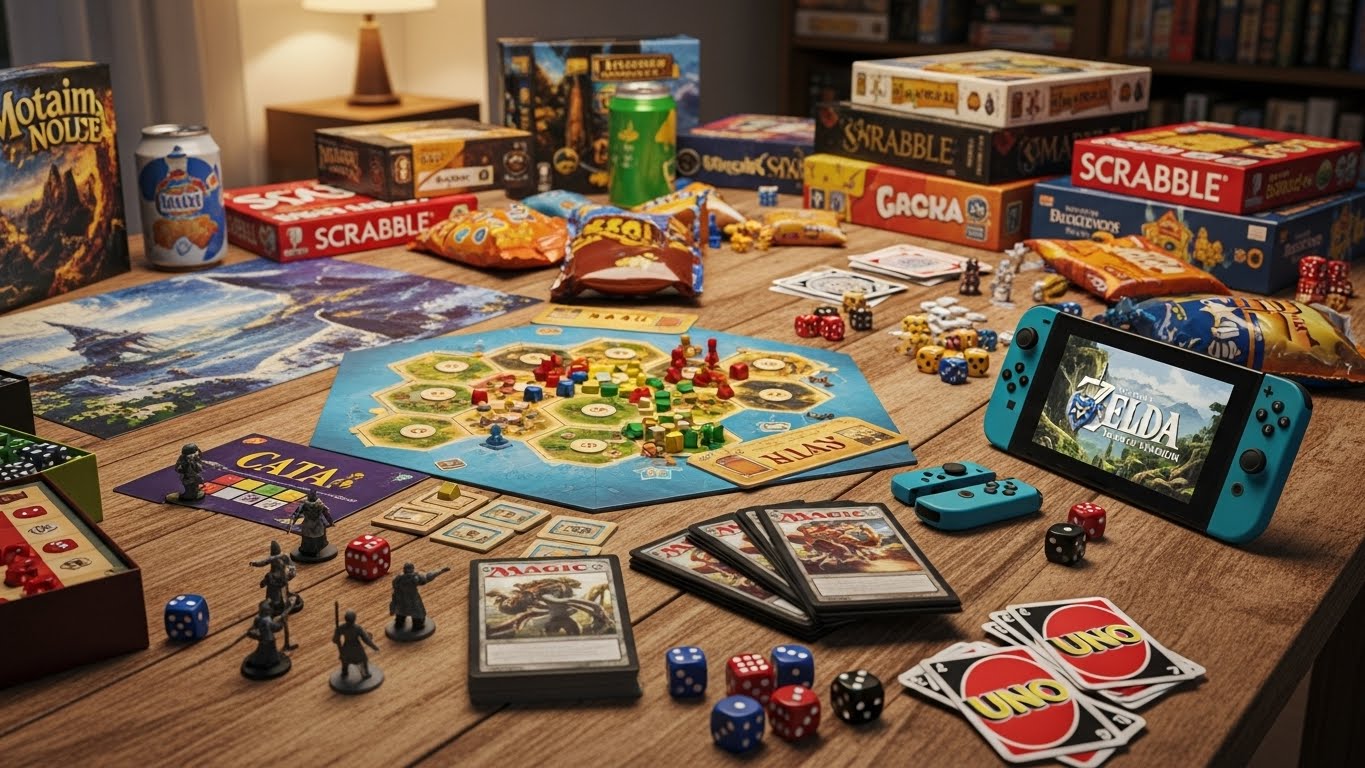
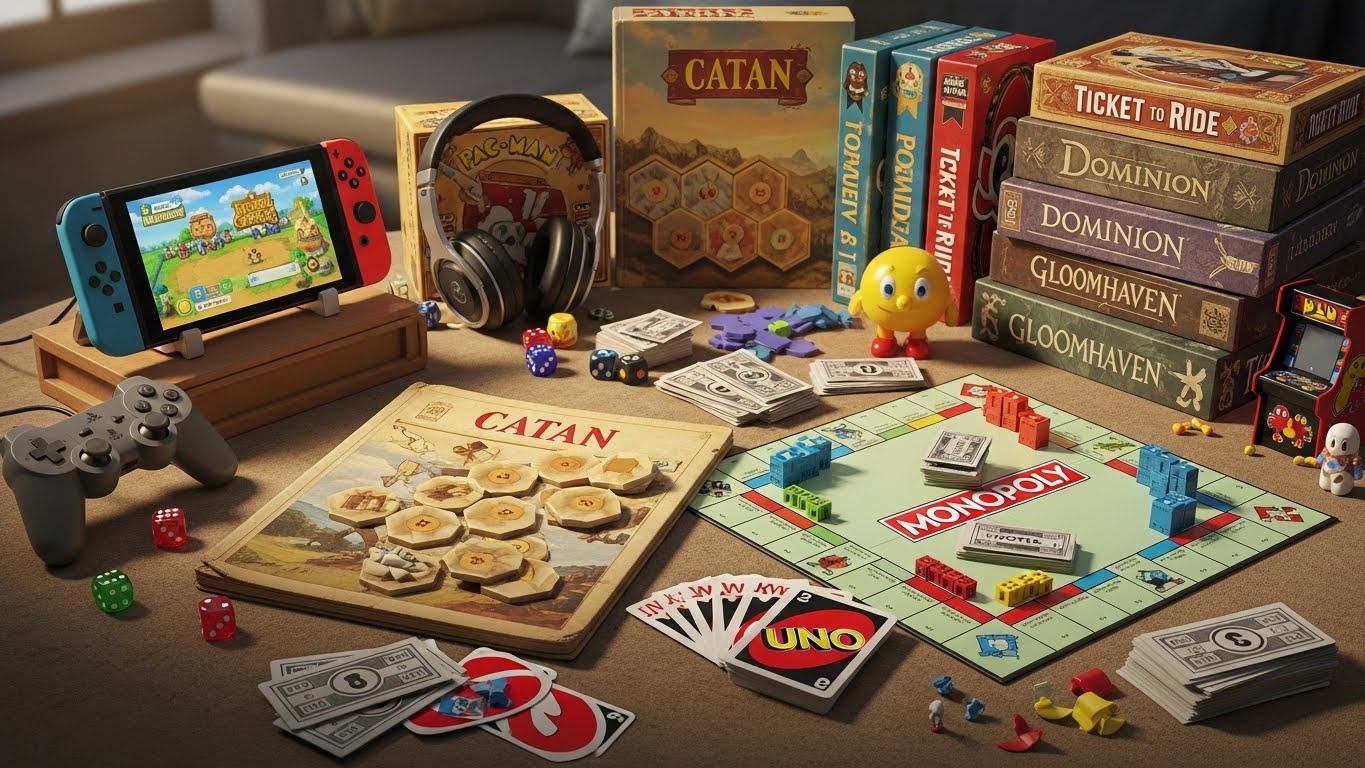
Gaming, in some form, has existed for centuries. Board games and physical competitions were early forms of entertainment that tested strategy, skill, and luck. Games like chess, backgammon, and card games allowed people to socialize while engaging their minds. These traditional games set the foundation for the structured rules and competitive nature seen in modern video games.
The electronic era of gaming began in the 1970s with the creation of arcade machines and early home consoles. Titles like Pong and Space Invaders brought gaming into the public eye, introducing interactive digital entertainment to the masses. These simple games focused on high scores and competition, laying the groundwork for the immersive and narrative-driven games that would follow.
The Evolution of Video Games
The 1980s and 1990s marked a transformative period in gaming history. Home consoles such as the Nintendo Entertainment System and Sega Genesis introduced complex gameplay mechanics, colorful graphics, and memorable characters. This era gave rise to iconic franchises that remain popular today, highlighting the importance of storytelling, character development, and engaging gameplay.
With the introduction of personal computers, gaming expanded beyond consoles. PC games offered more flexibility, larger worlds, and complex strategies. Genres like role-playing games, first-person shooters, and simulation games flourished, attracting diverse audiences and fostering competitive communities. This period also saw the birth of online gaming, connecting players across regions and creating global communities.
Gaming as a Cultural Phenomenon
Gaming has transcended entertainment to become a cultural force. Iconic games influence movies, television, music, and fashion, reflecting broader societal trends and creativity. Characters, narratives, and game worlds have become embedded in popular culture, inspiring fan art, cosplay, and storytelling communities.
Gaming conventions and expos have become major cultural events, celebrating not only the latest titles but also the artistry, technology, and innovation behind them. These gatherings bring players, developers, and enthusiasts together, fostering a sense of community and shared passion that strengthens the cultural significance of gaming.
The Role of Storytelling in Games
Storytelling is at the heart of many modern video games. Unlike passive media, games allow players to participate in narratives, making choices that affect outcomes and creating personal experiences. This interactivity deepens emotional engagement and investment in the game world.
Games like role-playing adventures, open-world explorations, and narrative-driven experiences demonstrate how storytelling can be integrated with gameplay. Players become protagonists in immersive narratives, facing challenges, solving problems, and shaping the story. This combination of interactivity and storytelling distinguishes video games from other forms of entertainment.
Competitive Gaming and Esports
The rise of esports has elevated gaming from personal entertainment to global competition. Professional gamers train rigorously, competing in leagues and tournaments for substantial prize money and recognition. Esports events draw massive audiences, both in stadiums and through online streaming platforms, rivaling traditional sports in scale and popularity.
Competitive gaming fosters teamwork, strategic thinking, and mental agility. Multiplayer games and tournaments cultivate communities where players collaborate and compete, further enhancing the social dimension of gaming. The growth of esports demonstrates how gaming can combine entertainment, skill, and professional aspiration in unique ways.
The Social Impact of Gaming
Games are not just for solo play; they foster social interaction and community building. Online multiplayer games allow friends and strangers to collaborate and compete in virtual worlds. Social features like voice chat, forums, and streaming platforms create spaces for players to connect, share experiences, and form lasting friendships.
Gaming also provides opportunities for inclusion. Individuals with physical limitations, social anxiety, or other barriers can engage in meaningful interactions and communities through gaming. This social aspect reinforces gaming’s role as a medium that connects people across geographies and cultures.
Technological Innovations in Gaming
Technology drives the evolution of video games, enabling richer experiences and more immersive gameplay. Advancements in graphics, processing power, and artificial intelligence have allowed developers to create realistic environments, intelligent non-player characters, and adaptive gameplay mechanics.
Virtual reality (VR) and augmented reality (AR) are redefining immersion in gaming. Players can explore three-dimensional worlds, interact with objects and characters, and experience games from a first-person perspective. Cloud gaming and streaming technology further enhance accessibility, allowing users to play high-quality games on multiple devices without high-end hardware.
Mobile Gaming and Accessibility
Mobile gaming has transformed the industry by making games accessible to millions of people worldwide. Smartphones and tablets enable players to enjoy games anywhere, anytime, creating convenience and flexibility previously impossible in console or PC gaming.
Mobile games cover a wide range of genres, from casual puzzle games to competitive battle arenas. The accessibility of mobile platforms has introduced gaming to new audiences, including individuals who may not have engaged with traditional consoles or PC setups. This expansion has significantly increased the global reach and influence of gaming.
The Economic Power of Gaming
Gaming is one of the most lucrative sectors in modern entertainment. Video game sales, in-game purchases, subscriptions, merchandise, and esports tournaments generate billions of dollars annually. The industry also supports jobs in software development, marketing, design, content creation, and event management.
Investments in gaming technology and platforms drive innovation not only in games but also in related industries such as virtual reality, artificial intelligence, and cloud computing. The economic impact of gaming extends beyond entertainment, shaping technology, business, and digital culture.
Educational and Cognitive Benefits of Gaming
Beyond entertainment, gaming offers educational and cognitive benefits. Strategy games, puzzles, and simulations improve problem-solving skills, critical thinking, and memory. Role-playing and narrative-driven games enhance creativity, storytelling, and empathy.
Gamification in education leverages gaming principles to make learning more interactive and engaging. Educational games, simulations, and interactive modules provide experiences that promote knowledge retention, engagement, and collaboration. Gaming thus serves as both a tool for fun and a medium for learning.
Challenges in Modern Gaming
Despite its benefits, gaming faces challenges that require attention. Addiction, excessive screen time, and exposure to inappropriate content can negatively affect players, particularly younger audiences. Ensuring responsible gaming practices and creating safe environments is crucial for long-term sustainability.
Additionally, diversity and representation within games remain areas for improvement. Inclusive narratives, character design, and accessibility features are essential to ensure that gaming remains a welcoming space for all players. Developers and communities play a critical role in addressing these challenges responsibly.
Future Trends in Gaming
The future of gaming is filled with exciting possibilities. Virtual reality and augmented reality will become more immersive and accessible. Artificial intelligence will provide adaptive and personalized experiences. Cloud-based gaming and streaming will remove barriers related to hardware and location.
Cross-platform integration will allow seamless gameplay across consoles, PCs, and mobile devices, creating unified gaming experiences. Additionally, gaming will increasingly intersect with other forms of entertainment, such as movies, music, and interactive storytelling, further blurring the lines between media and interactivity.
Conclusion
Video games have evolved from simple entertainment to a complex, multifaceted industry that blends technology, creativity, and social interaction. Games entertain, challenge, educate, and connect people, making them a vital part of modern culture.
With technological innovation, global accessibility, and evolving player expectations, gaming continues to redefine the landscape of entertainment. The industry’s future promises deeper immersion, greater interactivity, and expanded social and cultural influence. Gaming is more than a pastime—it is an interactive art form, a cultural phenomenon, and a powerful engine of innovation and connection in the digital era.