 gamercore13
Introduction: The Universal Language of Games
Games are a universal part of human culture, transcending age, geography, and even language. From simple childhood games to complex digital universes, games have always been a vital form of entertainment, skill development, and social interaction. Today, the gaming world is a thriving multi-billion-dollar industry, with millions of people across the globe playing everything from casual mobile games to high-stakes competitive eSports. The evolution of games—from their earliest origins to modern-day virtual experiences—reflects not only changes in technology but also in how humans connect, learn, and play. In this post, we’ll explore the transformative journey of games, how they shape our world, and their role in the future of entertainment.
The History of Games: From Ancient Civilizations to Modern Times
The origins of games date back to the earliest human societies. Archaeologists have discovered evidence of games in ancient civilizations such as Egypt, Mesopotamia, China, and Greece. Early games were often associated with cultural rituals, education, or strategy. Games like Senet, which dates back to 3500 BCE in Egypt, and the Royal Game of Ur from Mesopotamia were more than just pastimes—they were tied to spiritual beliefs or royal court life.
Fast forward to medieval Europe, where games of skill and chance, such as chess and backgammon, gained prominence. These games not only provided entertainment but also honed strategic thinking and decision-making. The act of playing was seen as a way to refine one’s mental abilities, much like we do today with more advanced strategy games.
The real transformation began with the rise of video games in the 20th century. With the development of the first electronic games in the 1950s and 1960s, including early arcade games like “Pong” and “Space Invaders,” gaming entered the digital age. From there, it evolved into the global entertainment industry we know today, where interactive media and storytelling through games are as influential as movies, music, and literature.
The Impact of Technology on Gaming
One of the most significant factors driving the growth of games is technological advancement. The leap from simple 8-bit graphics and pixelated screens to today’s high-definition, lifelike graphics would not have been possible without rapid developments in hardware and software. As gaming technology has evolved, so too have the experiences available to players.
In the 1990s, the introduction of home consoles like Sony’s PlayStation and Nintendo’s 64-bit systems brought gaming into living rooms worldwide. These consoles enabled developers to create 3D environments that immersed players in more detailed worlds. As the internet became more accessible, multiplayer games expanded to allow people to play together online, creating the foundation for today’s connected gaming communities.
The 2000s saw the rise of mobile gaming with the advent of smartphones, making games more accessible than ever before. A simple mobile device became a platform for games that could be played anywhere and at any time, leading to the explosion of casual gaming. Today, games can be experienced not only on consoles or PCs but on smartphones, virtual reality headsets, and even smartwatches.
In addition to these hardware advancements, software innovations have transformed gaming. Artificial intelligence (AI) now plays a crucial role in gaming experiences. AI allows non-player characters (NPCs) to behave more realistically, making the world feel more dynamic and responsive. Virtual reality (VR) and augmented reality (AR) are further pushing boundaries, enabling players to experience games in entirely new ways, such as stepping into a game world or overlaying digital elements onto the real world.
Types of Games: From Traditional to Digital
The world of games is incredibly diverse, catering to all kinds of interests, tastes, and preferences. While traditional games like board games, card games, and sports remain popular, digital games have overtaken them in terms of reach and influence. Let’s look at the different types of games that have evolved over time:
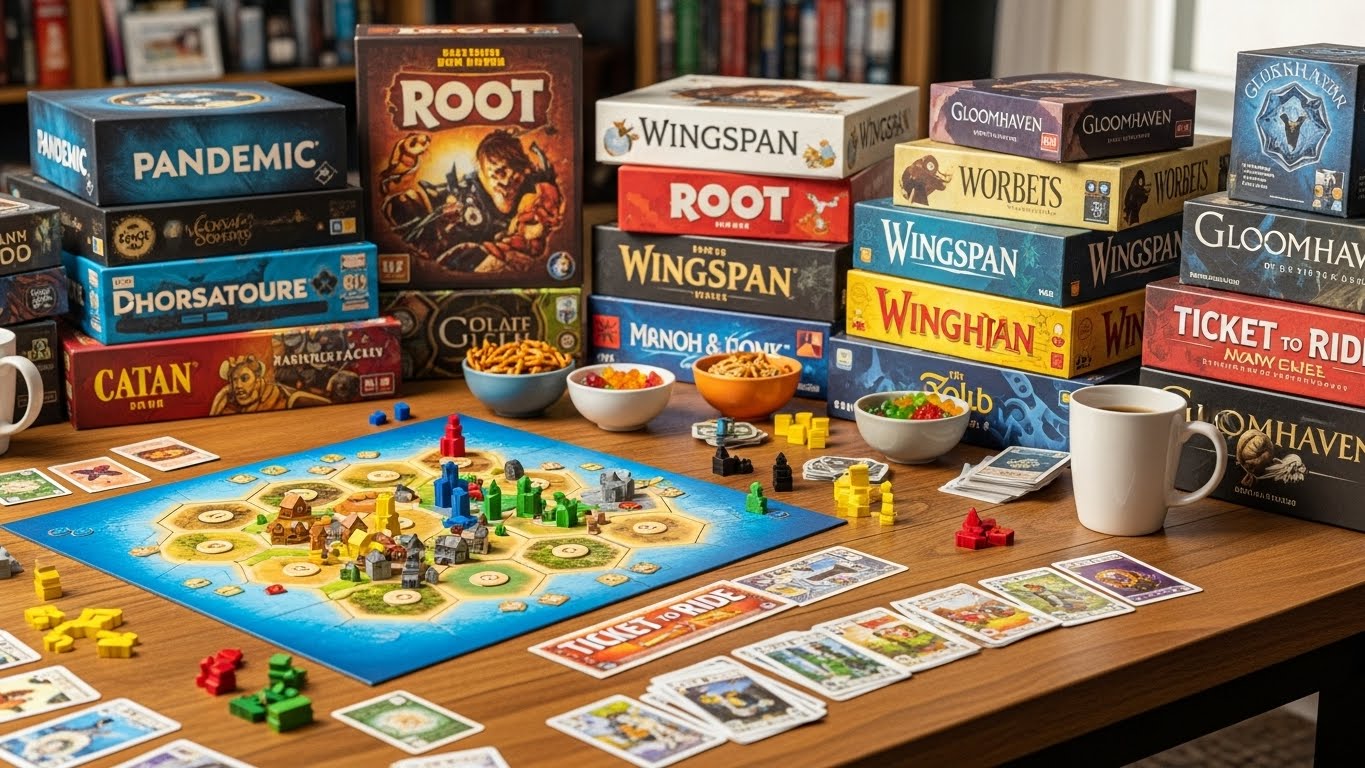
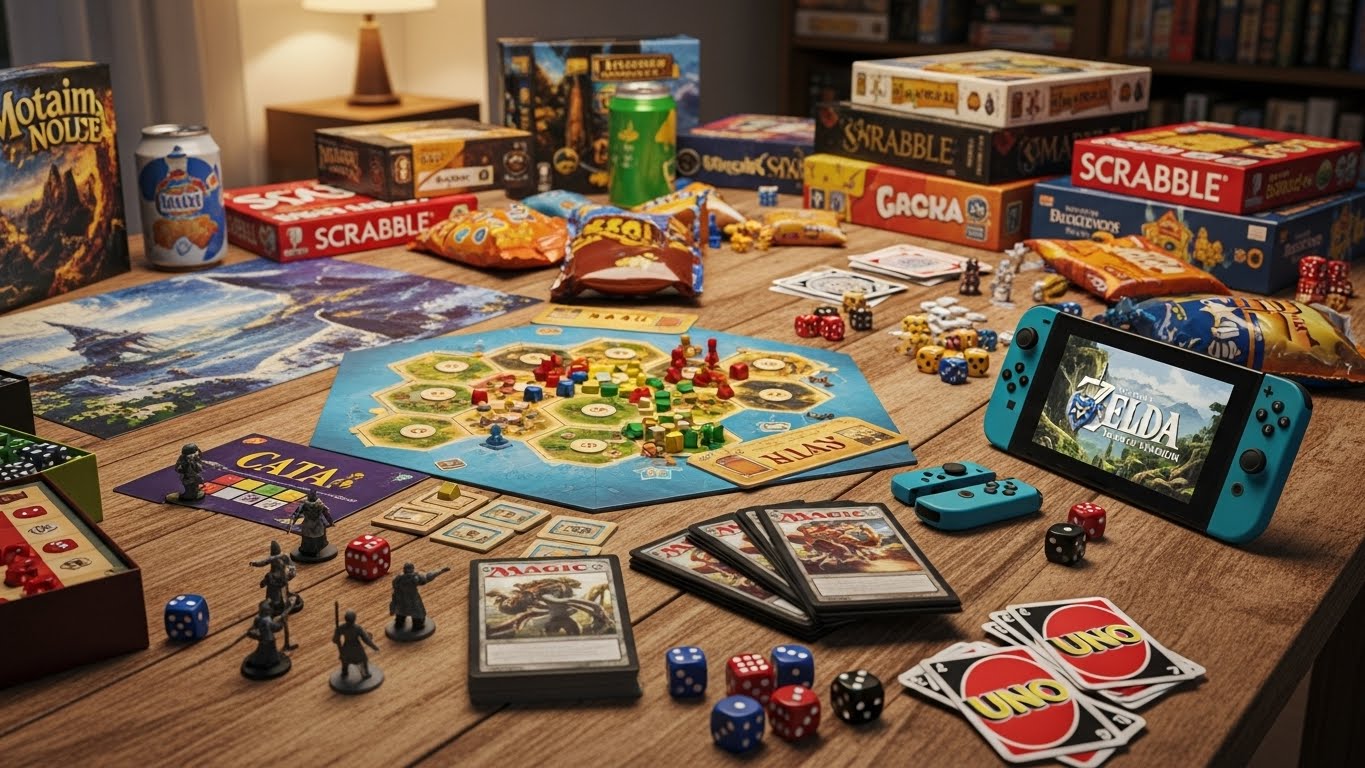
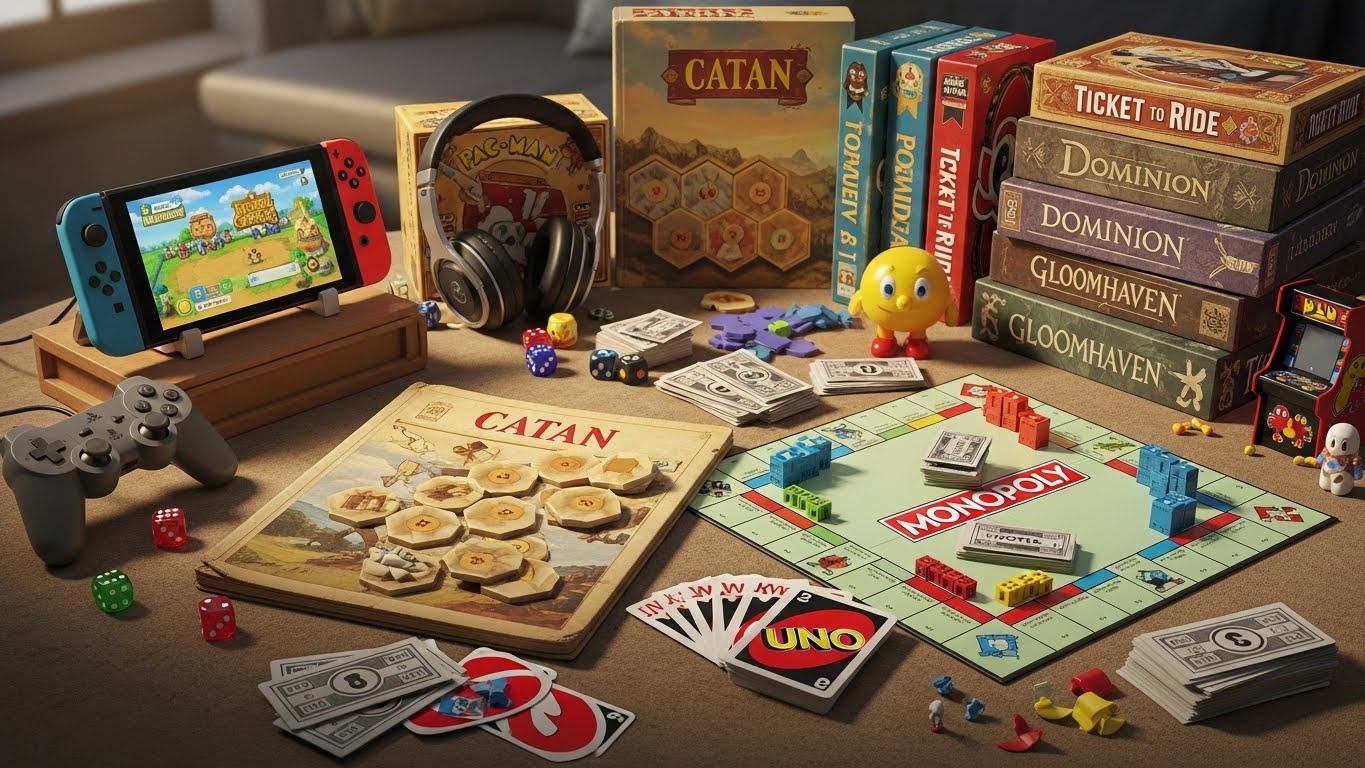
- Board Games and Card Games: These games have been around for centuries and are still widely enjoyed today. Classic games like Monopoly, Scrabble, and Poker have become household names, offering a fun, social experience. The rise of online platforms has allowed digital versions of these games to flourish, allowing people to play with others around the world.
- Video Games: Video games have evolved into a multi-genre world, offering something for everyone. There are role-playing games (RPGs) that allow players to assume the identity of a character in a fictional world; strategy games that require tactical thinking and planning; sports simulation games that mimic real-life sports; and action-adventure games that combine storytelling with intense gameplay.
- Mobile Games: Mobile gaming has become a dominant force in the gaming world. With millions of people owning smartphones, mobile games are incredibly accessible. From puzzle games like Candy Crush to competitive games like PUBG Mobile, the variety of games available on mobile devices ensures that everyone has something to enjoy.
- eSports: Competitive gaming, or eSports, has grown exponentially in the past decade. Games like League of Legends, Dota 2, and Fortnite have become global phenomena, with professional tournaments attracting millions of viewers. eSports athletes now train rigorously, and large-scale events like the “League of Legends World Championship” offer prize pools in the millions of dollars.
- Simulation and Strategy Games: These games offer experiences that simulate real-world processes, whether that’s running a business, managing a city, or surviving in the wilderness. Games like The Sims, SimCity, and Civilization have been particularly popular, offering players the chance to engage with complex systems and challenge their strategic thinking.
The Cultural Significance of Games
Games are more than just a form of entertainment; they are deeply embedded in culture. Today’s games often reflect the issues, ideas, and values of the societies in which they are created. For example, many modern games explore complex themes such as morality, identity, and personal freedom, often placing the player in morally ambiguous situations that force them to make tough choices.
Games are also a platform for storytelling. While movies and books have long been the dominant forms of narrative media, games have become increasingly sophisticated in delivering stories that are interactive and dynamic. Characters like Geralt of Rivia in The Witcher series or Ellie in The Last of Us have become as iconic as movie stars, with their journeys shaping the stories in meaningful ways.
In addition to their narrative depth, games also have a unique ability to foster communities. Multiplayer games allow players to form lasting friendships, collaborate with others, and even participate in large-scale events like global tournaments. In this sense, gaming has become a social activity as much as a solitary pastime.
The Psychology of Gaming: Why We Play
The act of playing games is deeply ingrained in human psychology. From an early age, children engage in play to learn, develop cognitive skills, and explore the world around them. As we grow older, the need for play evolves, but the desire for challenge, accomplishment, and fun remains.
Games provide players with a sense of achievement, especially through mechanisms like leveling up, unlocking new content, or completing difficult challenges. This sense of progression is psychologically rewarding, which is why many games incorporate “reward systems” to keep players engaged. The concept of flow—a state of intense focus and immersion—often occurs in gaming, particularly in strategy or role-playing games where players become deeply involved in the task at hand.
Moreover, multiplayer games tap into our desire for social connection. Humans are inherently social creatures, and games allow us to interact with others in ways that can be both meaningful and entertaining. Whether working together as a team in a cooperative game or competing in an online battle, gaming fosters a sense of belonging and community.
The Future of Games: Trends to Watch
As technology continues to advance, the future of gaming looks incredibly exciting. The industry is expected to continue evolving, with new trends shaping how we play, experience, and interact with games:
- Virtual Reality and Augmented Reality: VR and AR technologies are likely to continue growing, offering players even more immersive experiences. These technologies will blur the lines between the real world and the game world, allowing players to physically interact with their surroundings while playing.
- Cloud Gaming: Cloud gaming, where games are streamed directly to a player’s device, will make high-quality gaming more accessible to people without expensive gaming hardware. Services like Google Stadia and Xbox Cloud Gaming are already paving the way for this technology.
- AI and Procedural Generation: Artificial intelligence is set to play an even larger role in gaming, from developing more intelligent NPCs to creating procedurally generated worlds that evolve in real-time based on player choices.
- Mobile Gaming Expansion: With mobile gaming continuing to grow, the quality and depth of mobile games will improve. Players can expect more complex, engaging titles that rival traditional console or PC games.
Conclusion: Games as a Reflection of Humanity
From their humble beginnings as simple pastimes to their current status as a global entertainment phenomenon, games have evolved into an essential part of our cultural and social fabric. The world of gaming continues to push the boundaries of creativity and technology, offering new ways for players to connect, learn, and experience stories.
As we look to the future, it’s clear that games will continue to evolve, becoming more immersive, socially connected, and culturally relevant. They will remain a vital part of our lives, offering not only entertainment but also a platform for creativity, learning, and community. Games are, and always will be, a powerful reflection of who we are as humans, constantly shaping our world and, in turn, being shaped by it.