 gamercore13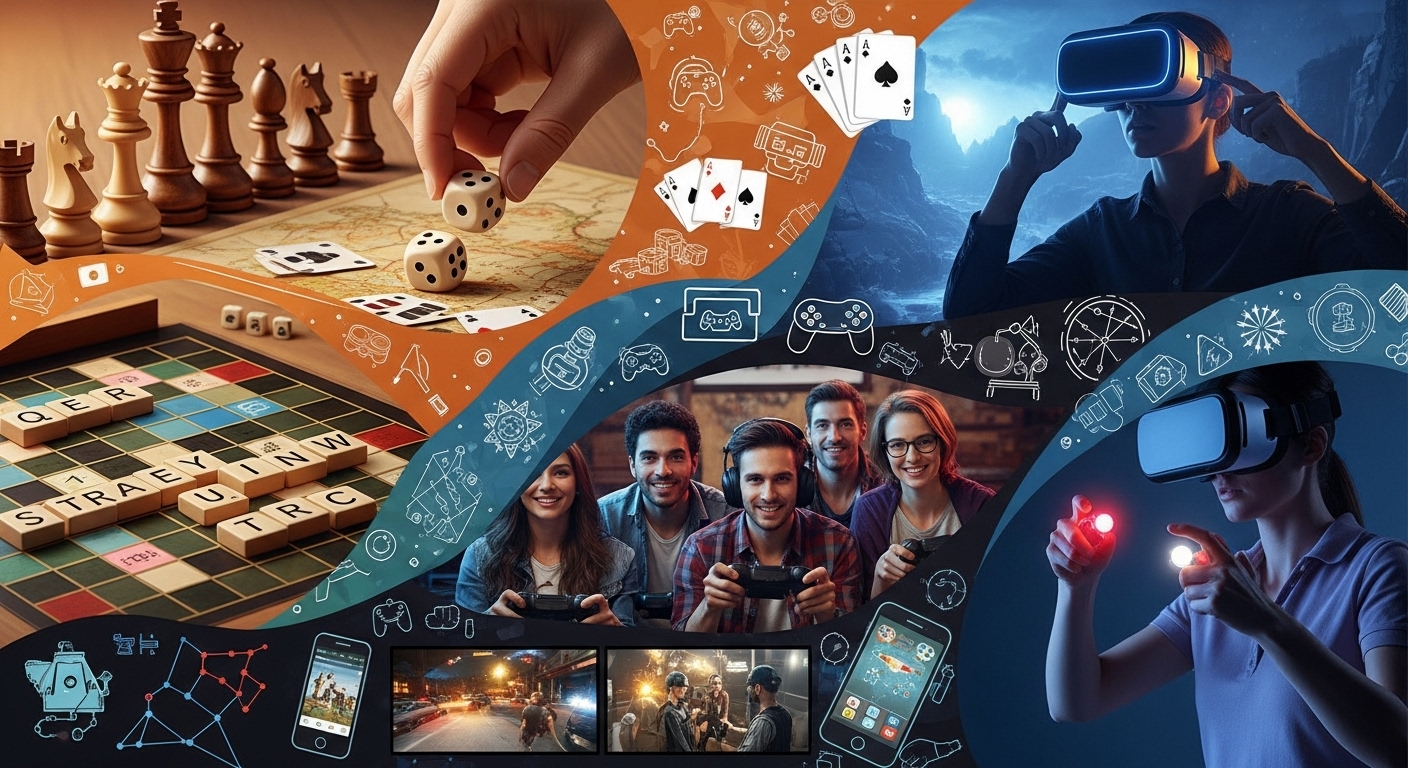
Games have always been a part of human life. From the earliest forms of storytelling and play to the modern digital universes that captivate billions, games are more than mere entertainment—they are reflections of culture, creativity, and human connection. Across centuries, games have evolved from simple physical activities to immersive virtual worlds, shaping how people think, communicate, and even dream. This blog explores the vast world of games, tracing their evolution, influence, and the reasons they hold such a powerful place in society today.
The Origins of Games: Where It All Began
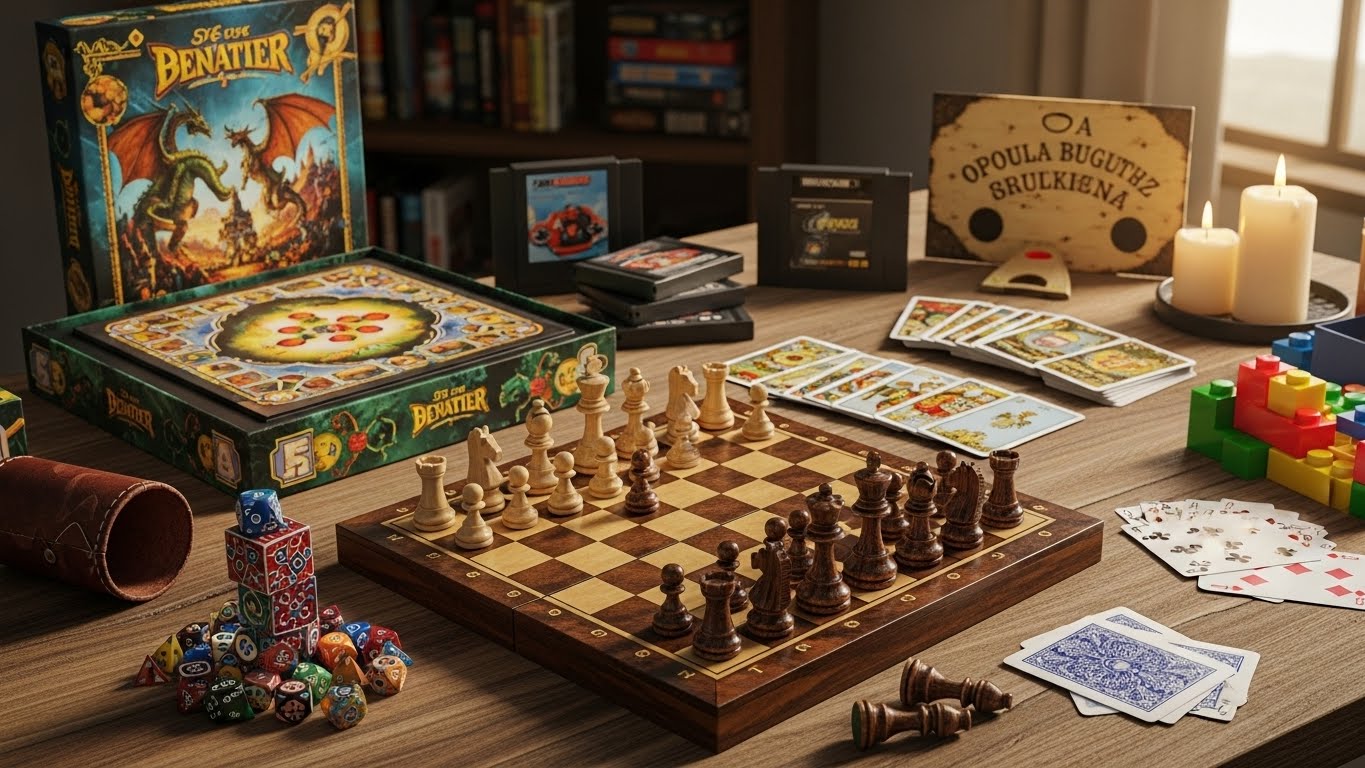
Long before consoles, computers, or smartphones, humanity found joy in games. The earliest games were often born out of ritual, war training, or social bonding. Ancient civilizations like the Egyptians, Greeks, and Chinese all had their own traditional games. For instance, Senet, discovered in Egyptian tombs, is believed to be one of the world’s oldest board games, dating back over 5,000 years. These games were not only for amusement but were also seen as symbolic, often representing the journey of life and death.
Similarly, in ancient China, games such as Go and Liubo were considered intellectual pursuits. Go, in particular, stood out as a game of deep strategy and patience. It was not just about winning but mastering balance and foresight—values deeply ingrained in Eastern philosophy. Meanwhile, the Greeks introduced competitive games as part of their cultural identity, eventually inspiring what we now know as the Olympic Games.
Through these ancient activities, one thing becomes clear—games have always been integral to human nature. They engage the mind, test skill, and connect communities.
The Rise of Traditional and Physical Games
As societies developed, so did their forms of entertainment. Traditional games began to diversify, reflecting local customs and lifestyles. Children played outdoor games that encouraged teamwork and physical fitness, while adults found relaxation in board games, card games, and strategic competitions.
Sports, too, became a massive cultural force. Football, cricket, basketball, and tennis grew from local pastimes into global phenomena. Each sport carried with it a sense of pride and belonging. Nations began to identify themselves through their games, and global events like the World Cup and Olympics became symbols of unity and friendly rivalry.
Beyond professional sports, folk games continued to flourish. In different parts of the world, unique local games emerged—Kabaddi in South Asia, Sepak Takraw in Southeast Asia, and Bocce in Italy. These games were not only sources of entertainment but also means of preserving tradition and teaching cultural values to younger generations.
The Board Game Revolution
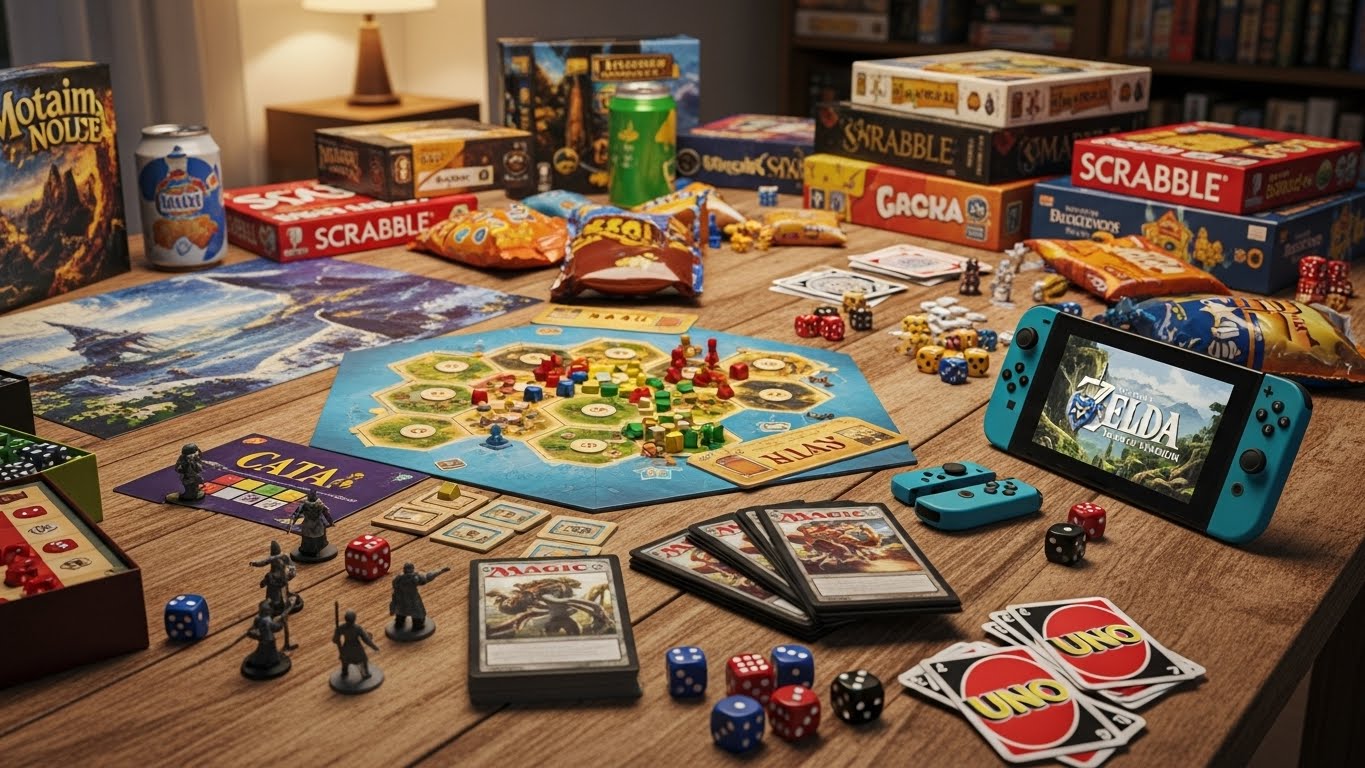
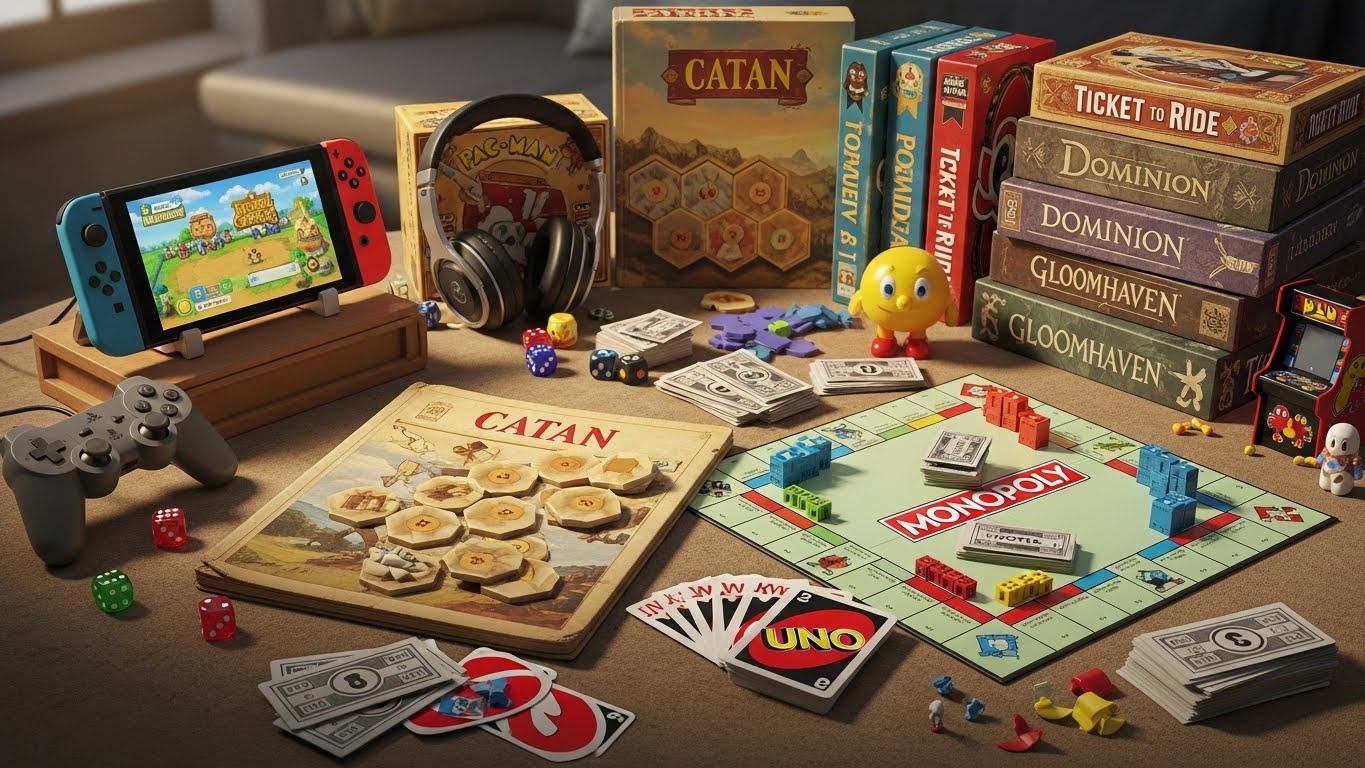
Before the age of electronics, board games were at the center of family entertainment. Games like Chess, Checkers, and Backgammon tested strategic thinking and patience, becoming classics that stood the test of time. In the 20th century, board games like Monopoly, Scrabble, and Clue transformed game nights around the world.
These games offered more than just fun; they brought families and friends together. They taught lessons about finance, vocabulary, logic, and decision-making—all while keeping competition lighthearted and enjoyable. The social aspect of board gaming became one of its greatest strengths. Sitting around a table, laughing, debating, and strategizing created memories that would last a lifetime.
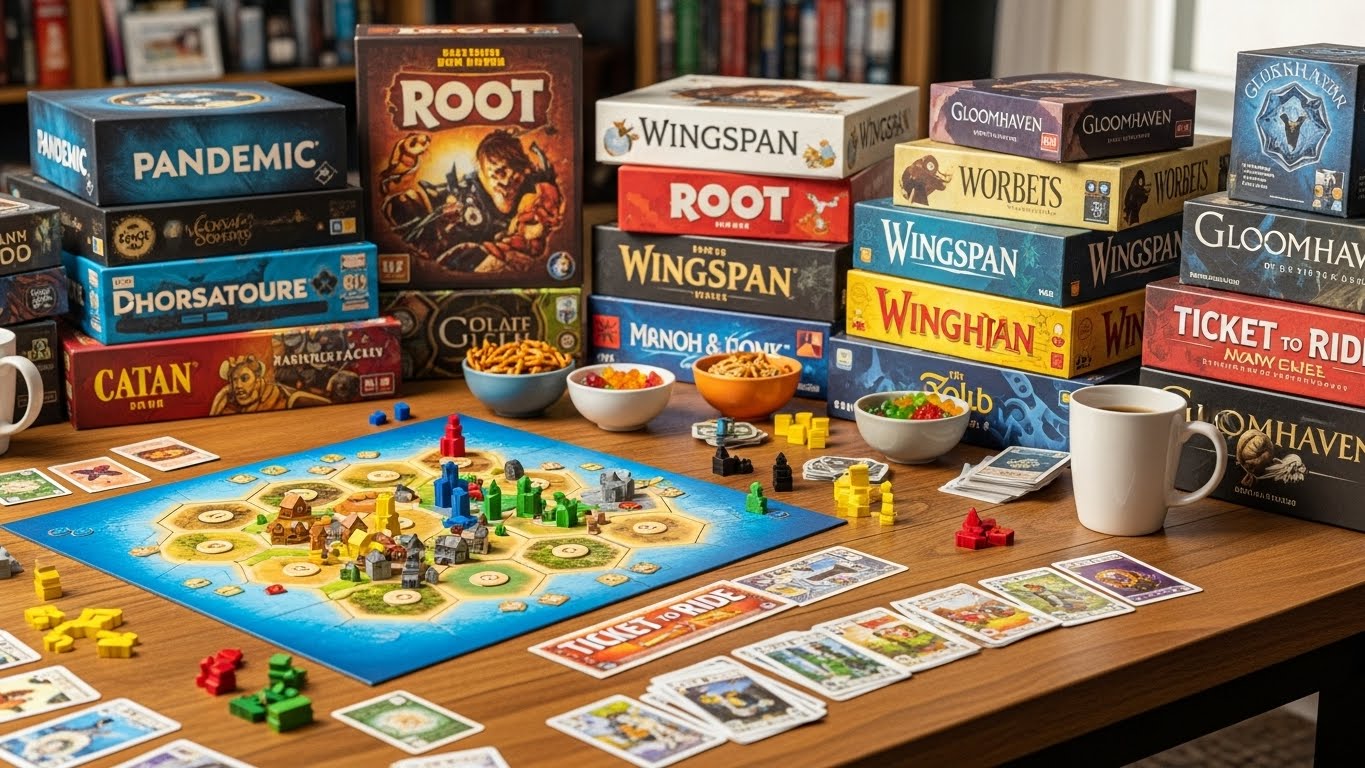
Today, board games have experienced a modern renaissance. With creative storytelling, complex mechanics, and artistic designs, modern tabletop games like Catan, Carcassonne, and Pandemic have brought a new generation of players to the table. Even in a world dominated by digital screens, the tactile joy of rolling dice and moving pieces across a board remains irreplaceable.
The Birth of Video Games
The mid-20th century marked a revolution—the rise of electronic gaming. What began as simple experiments in computer labs soon became a multi-billion-dollar industry. Early games like “Pong,” “Space Invaders,” and “Pac-Man” introduced people to the joy of digital play. These games were simple yet highly addictive, sparking the first wave of arcade mania.
Arcades became social spaces where players gathered to test their reflexes and skills. The flashing lights, beeping sounds, and friendly rivalries gave birth to gaming culture as we know it today. As technology advanced, home consoles entered the scene, bringing the arcade experience into living rooms.
The 1980s and 1990s were the golden era of gaming. Companies like Nintendo, Sega, and Sony transformed the landscape with legendary titles such as “Super Mario Bros.,” “The Legend of Zelda,” “Sonic the Hedgehog,” and “Final Fantasy.” These games combined storytelling, art, and gameplay in ways that captured the imagination of millions.
The Evolution of Gaming Technology
From pixelated screens to lifelike graphics, gaming technology has evolved at an incredible pace. The jump from 2D to 3D changed everything, allowing for open worlds, realistic characters, and cinematic storytelling. Consoles like the PlayStation, Xbox, and Nintendo Switch pushed the boundaries of what was possible.
At the same time, the rise of computers brought about genres like real-time strategy, simulation, and online multiplayer games. “The Sims,” “Age of Empires,” and “World of Warcraft” gave players unprecedented freedom to create, explore, and connect.
Then came mobile gaming. With smartphones, games became more accessible than ever. Titles like “Angry Birds,” “Candy Crush,” and “Clash of Clans” turned casual players into everyday gamers. The gaming audience expanded beyond traditional boundaries—everyone, from children to grandparents, could now enjoy games anywhere, anytime.
Virtual reality (VR) and augmented reality (AR) have taken gaming even further, blending the digital and physical worlds. Games like “Beat Saber” and “Pokémon GO” have proven that immersion and interactivity can reach new heights.
Online Multiplayer and Global Connectivity
One of the most transformative aspects of modern gaming is online connectivity. Multiplayer games have turned gaming into a global social experience. Players from different continents can team up, compete, and communicate in real time.
Games like “Fortnite,” “Call of Duty,” and “League of Legends” have built massive communities, with millions of active players and competitive tournaments offering huge prizes. Esports, once seen as a niche hobby, has now become a legitimate global industry. Professional gamers are celebrated like athletes, and live-streaming platforms allow fans to watch matches just like traditional sports.
Online gaming has also created friendships that transcend borders. Many players form lasting bonds with teammates they have never met in person. It has become a space for collaboration, creativity, and shared achievement.
The Art and Storytelling of Games
Modern games are not just about gameplay—they are works of art. The combination of visuals, music, voice acting, and narrative makes games one of the most powerful storytelling mediums of our time.
Games like “The Last of Us,” “Red Dead Redemption,” and “Journey” have proven that games can evoke deep emotions, rivaling the impact of films and novels. They explore themes of love, loss, survival, and morality, allowing players to experience stories in a deeply personal way.
Indie developers have also revolutionized storytelling in gaming. With creativity and passion, they produce unique experiences like “Celeste,” “Undertale,” and “Hollow Knight,” focusing on emotion and artistic vision rather than massive budgets.
Storytelling in games is special because it is interactive. Players do not just watch events unfold—they make choices, influence outcomes, and become part of the narrative. This interactivity makes the emotional connection stronger and the experience unforgettable.
The Psychological and Social Impact of Games
Games are often misunderstood as mere distractions, but research has shown that they can offer significant benefits. Strategic games enhance problem-solving and planning skills, while action games can improve reflexes and hand-eye coordination. Educational games help children learn through fun and engagement.
Moreover, games can serve as emotional outlets. They provide a sense of achievement, help relieve stress, and even support mental well-being. Cooperative games teach teamwork, while narrative-driven titles encourage empathy by allowing players to experience different perspectives.
However, like any powerful medium, games must be balanced. Excessive gaming can lead to issues like addiction or isolation. It’s important for players to maintain healthy boundaries and use gaming as a positive force in their lives.
The Business of Gaming
The gaming industry has grown into one of the most profitable entertainment sectors in the world. With annual revenues surpassing those of movies and music combined, gaming has become a dominant cultural and economic force.
Game development now involves massive teams of artists, writers, programmers, and designers. The industry provides jobs for millions of people worldwide and drives innovation in technology, animation, and artificial intelligence.
Independent creators have also found their space, using digital platforms to share their games directly with audiences. Crowdfunding and digital marketplaces have made it possible for small developers to reach millions without needing a large publisher. This democratization has led to greater diversity in the kinds of games being made and the voices telling their stories.
The Future of Gaming
The future of games looks brighter than ever. With advancements in artificial intelligence, cloud computing, and immersive technologies, gaming experiences will continue to evolve in ways that once seemed impossible.
Cloud gaming promises to make high-end titles accessible without expensive hardware, while AI will enable smarter NPCs, adaptive gameplay, and personalized experiences. The boundaries between virtual and real worlds will continue to blur as AR and VR grow more advanced.
In the coming years, gaming will likely become even more integrated into daily life. From fitness-based games to educational simulations and social metaverses, the possibilities are endless. Games will not just be a hobby—they will be a medium for learning, connection, and creativity.
The Cultural Power of Games
Beyond technology and entertainment, games have become a form of cultural expression. They reflect the hopes, struggles, and dreams of their creators and players. Just as literature and cinema shape worldviews, games influence how people see themselves and the world around them.
Video games now appear in museums, universities, and art galleries, recognized for their artistic and cultural significance. They inspire fan art, music, and even fashion. They also bring people together through conventions, tournaments, and online communities, building bridges across languages and cultures.
Conclusion: Why Games Matter
Games are more than just play—they are stories, skills, experiences, and emotions combined into one interactive form. They teach, entertain, and inspire. Whether it’s a child playing hide and seek, a family gathering around a board game, or millions tuning in to an esports final, games create moments of joy and connection that transcend time and technology.
From ancient stones to digital screens, the essence of gaming has remained the same—the human desire to challenge, connect, and create. The world of games continues to grow, evolve, and redefine what it means to play. And as long as there are people seeking fun, learning, and adventure, the spirit of gaming will never fade.