 gamercore13
Games have been an integral part of human culture for thousands of years. They entertain, challenge, and bring people together, while also serving as tools for learning and personal growth. From ancient board games and sports to today’s immersive video games and virtual reality experiences, games have evolved alongside society, technology, and culture. This blog explores the fascinating world of games, their history, types, benefits, challenges, and the innovations shaping the future.
The Origins of Games: A Journey Through History
Games have existed since ancient times, long before modern technology transformed entertainment. In ancient Egypt, a game called Senet was played by pharaohs and nobility, often reflecting spiritual beliefs about life and the afterlife. Ancient Greeks enjoyed Petteia, a strategic board game resembling chess, which tested intelligence and planning. Similarly, in Asia, games like Go and Mahjong developed thousands of years ago, combining skill, strategy, and social interaction.
Early games were not just pastimes—they often carried educational, social, or spiritual significance. They helped individuals develop strategic thinking, coordination, and social skills while reinforcing cultural norms. Over time, games became a universal form of entertainment that transcended geography, language, and age.
The Rise of Modern Games
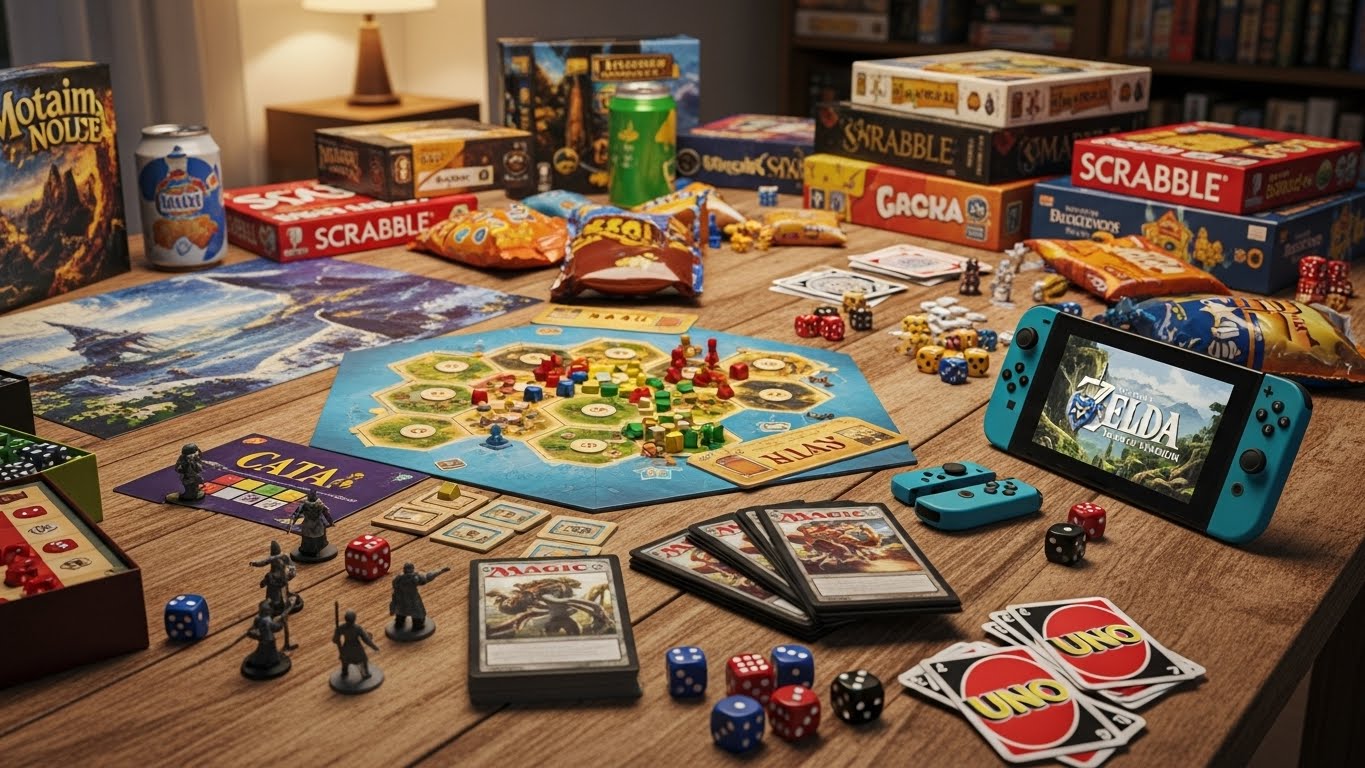
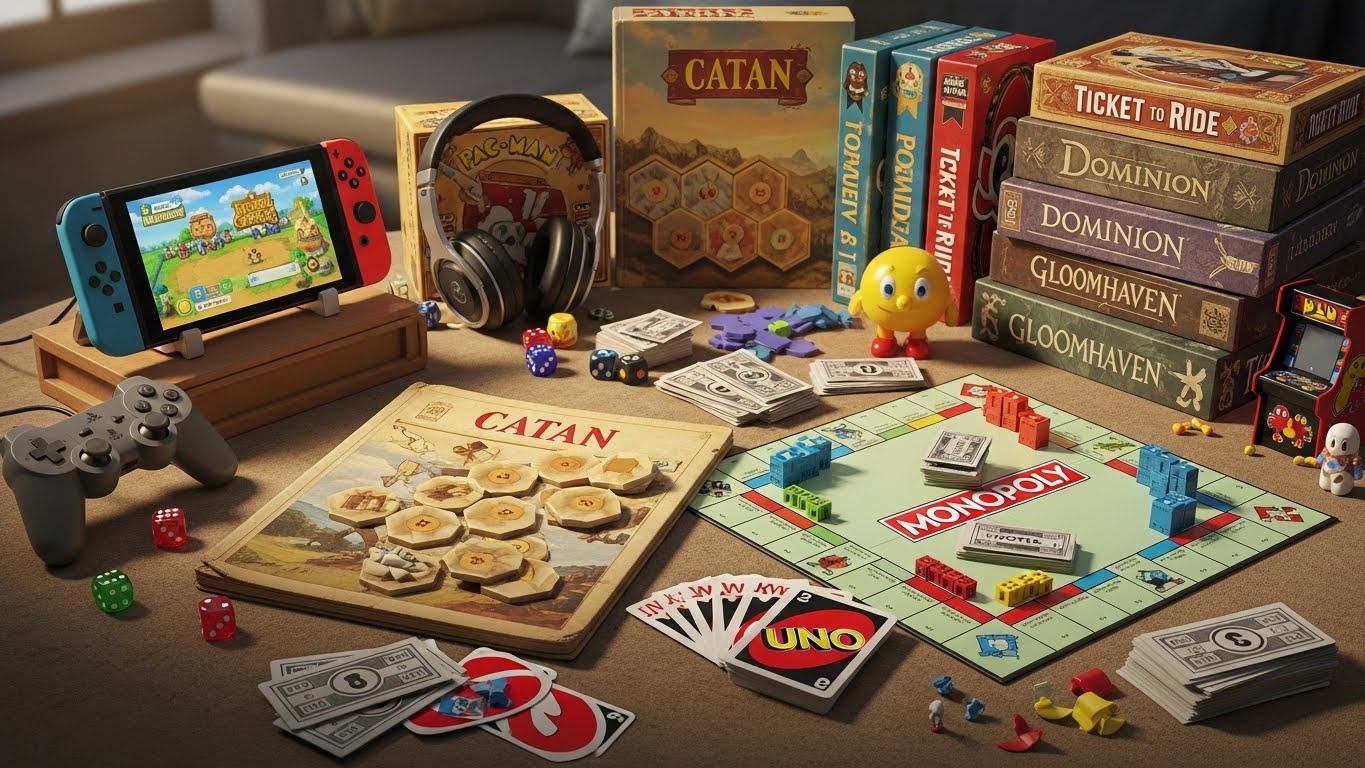
The 20th century brought tremendous transformation in the world of games. Traditional board games and card games became widely popular among families, fostering social interaction in a structured, enjoyable way. Games like Monopoly, Scrabble, and Chess became household staples, encouraging strategic thinking, negotiation, and problem-solving skills.
The introduction of electronic and video games marked another significant evolution. In the early 1970s, games like Pong laid the foundation for the video game industry. Soon after, home gaming consoles and personal computers brought digital games into living rooms worldwide. Titles such as Super Mario Bros., The Legend of Zelda, and Tetris became cultural phenomena, shaping the way generations experienced entertainment.
Today, gaming has transformed into a global industry worth billions, encompassing mobile games, online multiplayer experiences, esports competitions, and immersive virtual reality worlds. The evolution of games has been driven by advances in technology, changing lifestyles, and the growing demand for interactive entertainment.
Types of Games
Games come in many forms, each offering unique experiences and benefits. Understanding the different types of games helps illustrate the diversity and creativity present in the gaming world.
Video Games
Video games are one of the most prominent forms of entertainment in the modern era. They are played on consoles, personal computers, and mobile devices. Video games span multiple genres, including action, adventure, role-playing, simulation, sports, and puzzle-solving. Each genre offers a distinct style of gameplay and appeals to different audiences.
Action games focus on reflexes, timing, and skill, while role-playing games immerse players in narrative-driven worlds where decision-making affects outcomes. Simulation games mimic real-world activities, such as building cities or managing businesses, while puzzle games challenge critical thinking and problem-solving abilities. Modern video games often include multiplayer features, enabling social interaction and cooperative play across the globe.
Board Games and Card Games
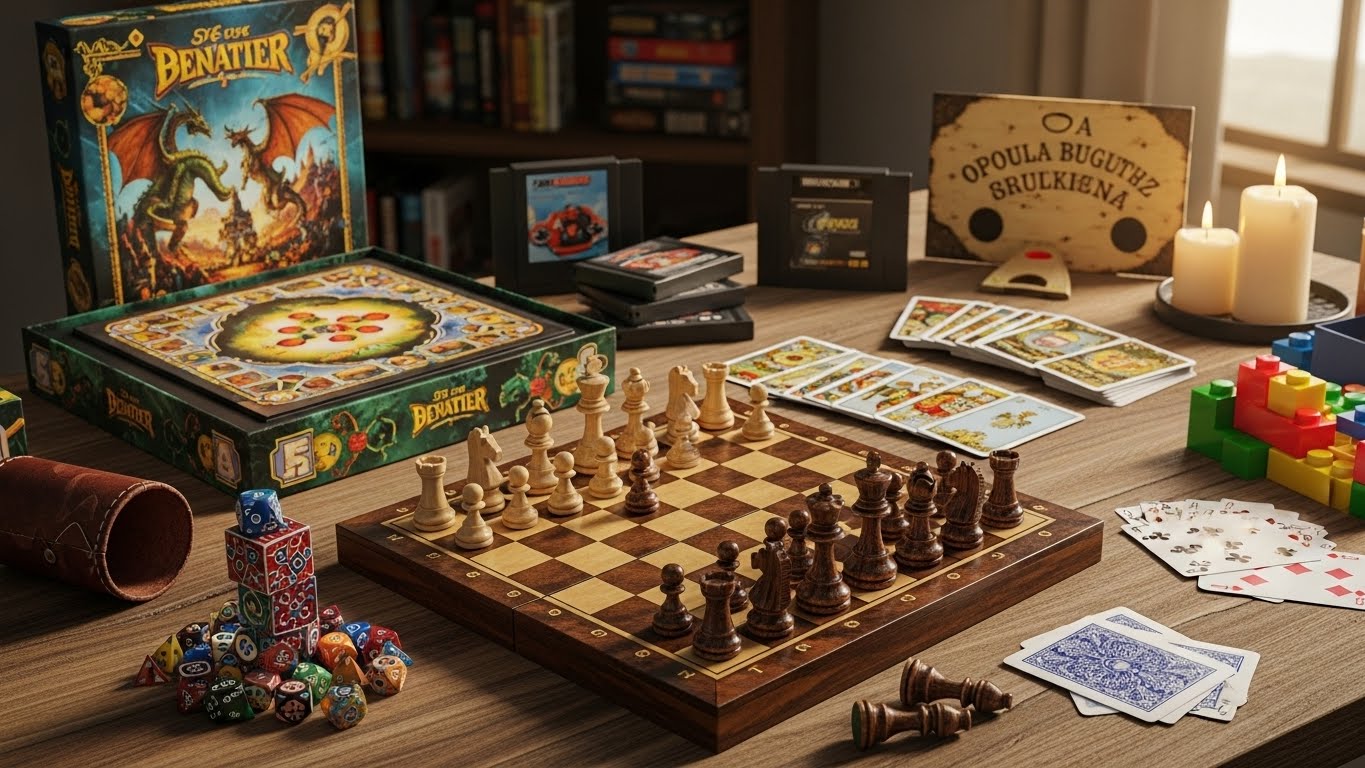
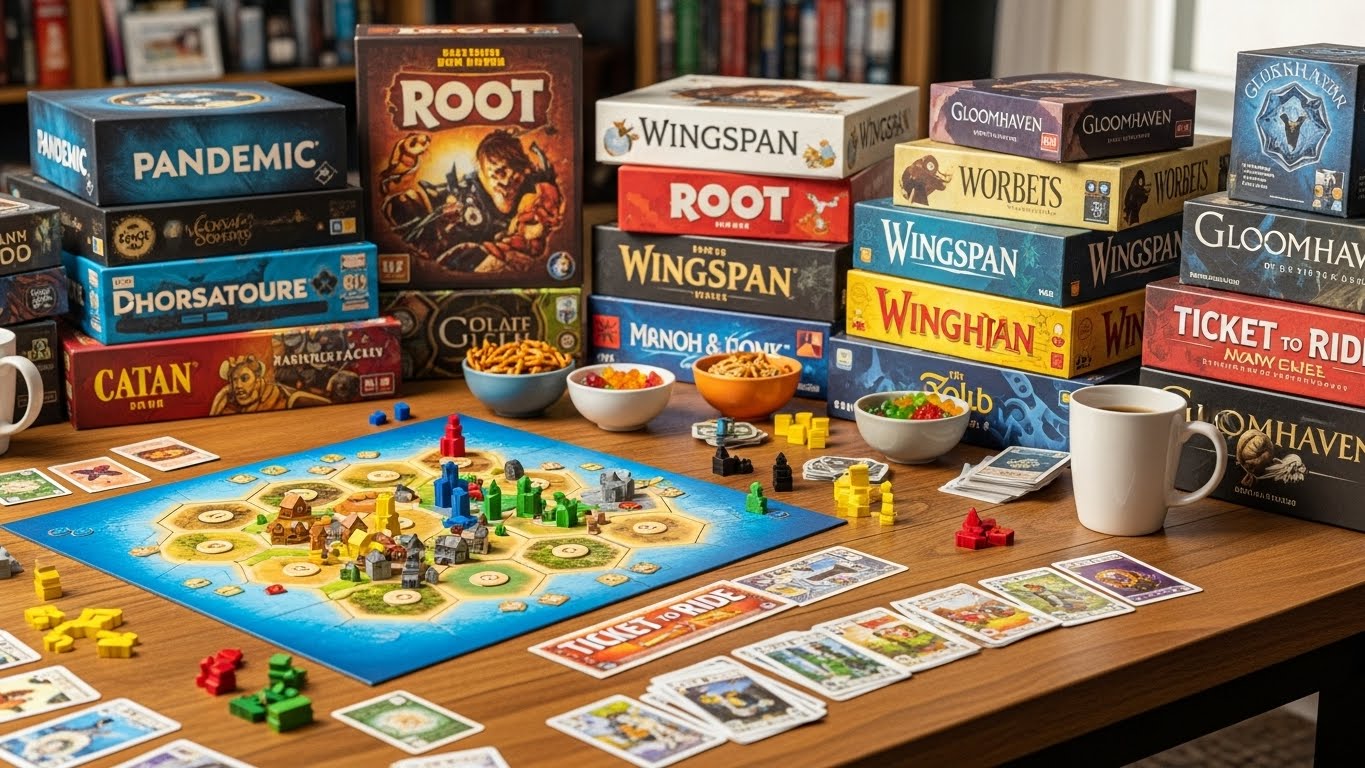
Board games and card games remain timeless forms of entertainment. They offer strategic challenges, social interaction, and opportunities for creativity. Classic board games like Chess, Checkers, and Backgammon focus on strategy and planning, while modern board games such as Catan, Ticket to Ride, and Pandemic incorporate intricate mechanics, cooperation, and problem-solving.
Card games, including Poker, Bridge, and collectible card games like Magic: The Gathering, combine skill, chance, and social dynamics. Tabletop gaming fosters direct human interaction, building connections and providing valuable lessons in teamwork, negotiation, and critical thinking.
Physical and Outdoor Games
Sports and outdoor games are foundational in human society, encouraging physical activity, discipline, and teamwork. Traditional sports such as football, basketball, tennis, and cricket engage both mind and body, emphasizing strategy, coordination, and endurance. Outdoor games often provide opportunities for socialization, community engagement, and healthy competition.
Games such as tag, hide-and-seek, and hopscotch, while simple, have been essential in childhood development. They enhance motor skills, problem-solving, and social cooperation while promoting creativity and imagination.
Puzzle and Brain Games
Puzzle games challenge mental agility, critical thinking, and memory. Classic puzzles include Sudoku, crosswords, and logic puzzles. Digital brain-training apps and games like Lumosity or Candy Crush combine entertainment with cognitive skill development.
Puzzle games provide a sense of satisfaction and accomplishment as players solve increasingly difficult challenges. They also improve attention span, memory retention, and analytical thinking, demonstrating that games can be both fun and intellectually stimulating.
Benefits of Playing Games
Games offer far more than entertainment. They contribute to cognitive, social, emotional, and physical development, benefiting players across all age groups.
Cognitive Development
Games, especially strategy and puzzle games, enhance critical thinking, problem-solving, and decision-making skills. They encourage players to plan ahead, consider alternatives, and adapt strategies based on feedback. Video games can also improve spatial awareness, memory, and hand-eye coordination, while tabletop and card games strengthen logical reasoning and mathematical skills.
Social Benefits
Many games are inherently social, encouraging cooperation, teamwork, and communication. Multiplayer video games, board games, and team sports create opportunities for collaboration and relationship-building. Gaming communities, whether online or offline, foster friendships and shared experiences, bridging cultural and geographical divides.
Emotional and Psychological Benefits
Games provide an effective outlet for stress relief, relaxation, and emotional expression. Engaging in immersive gameplay or cooperative experiences can reduce anxiety, improve mood, and promote a sense of achievement. Games also encourage resilience, as players learn to cope with failure, develop persistence, and celebrate success.
Physical Health
Physical games and sports enhance overall health by promoting fitness, coordination, and motor skill development. Even active video games that require motion and interaction, often called exergames, encourage physical activity while engaging players in fun, interactive experiences.
The Dark Side of Gaming
While games offer many benefits, excessive or unmoderated gaming can lead to negative outcomes. Gaming addiction, characterized by compulsive behavior and neglect of responsibilities, can impact mental health, social life, and daily functioning. Certain games designed with microtransactions or reward loops may exacerbate addictive tendencies, particularly among young players.
Other challenges include exposure to inappropriate content, online harassment, and excessive screen time, which can affect physical health and sleep patterns. Responsible gaming practices, moderation, and parental guidance are crucial to mitigating these risks.
The Future of Gaming
The future of games is shaped by technological innovation, evolving player expectations, and cultural trends. Several exciting developments are transforming the gaming landscape.
Virtual and Augmented Reality
Virtual reality (VR) and augmented reality (AR) are revolutionizing interactive experiences. VR immerses players in fully interactive worlds, allowing for exploration and storytelling like never before. AR overlays digital elements onto the real world, blending gameplay with everyday life. Games such as Pokémon Go have demonstrated the potential of AR to create engaging, social experiences.
Cloud Gaming
Cloud gaming enables players to access high-quality games without the need for powerful hardware. With games streamed directly to devices over the internet, players can enjoy complex experiences on smartphones, tablets, or low-spec computers. Cloud gaming has the potential to democratize gaming, making it accessible to a broader audience.
Artificial Intelligence
AI is shaping the design of games, from creating adaptive non-playable characters to generating dynamic environments. AI can enhance game realism, personalize player experiences, and streamline gameplay mechanics. As AI technology advances, games will become more responsive, intelligent, and immersive.
Esports
Competitive gaming or esports has emerged as a professional industry, with organized leagues, global tournaments, and significant prize pools. Esports offers career opportunities for players, coaches, and commentators, while also attracting sponsors and spectators worldwide. The growth of esports reflects the broader cultural acceptance of games as a legitimate form of entertainment and competition.
Conclusion
Games are more than mere pastimes—they are powerful tools for entertainment, learning, and social connection. From ancient board games and physical sports to modern video games, VR experiences, and competitive esports, games have evolved in ways that continue to captivate and inspire people worldwide. They stimulate the mind, foster creativity, build social bonds, and provide joy and relaxation.
As technology continues to advance, the gaming landscape will expand further, creating new opportunities for immersive experiences, global competition, and innovative gameplay. However, the benefits of gaming must be balanced with responsible practices to ensure that play remains healthy, enjoyable, and enriching. The evolution of games is far from over, and the future promises exciting adventures for players of all ages, demonstrating that play is not just a pastime—it is a fundamental part of human experience and culture.