 gamercore13
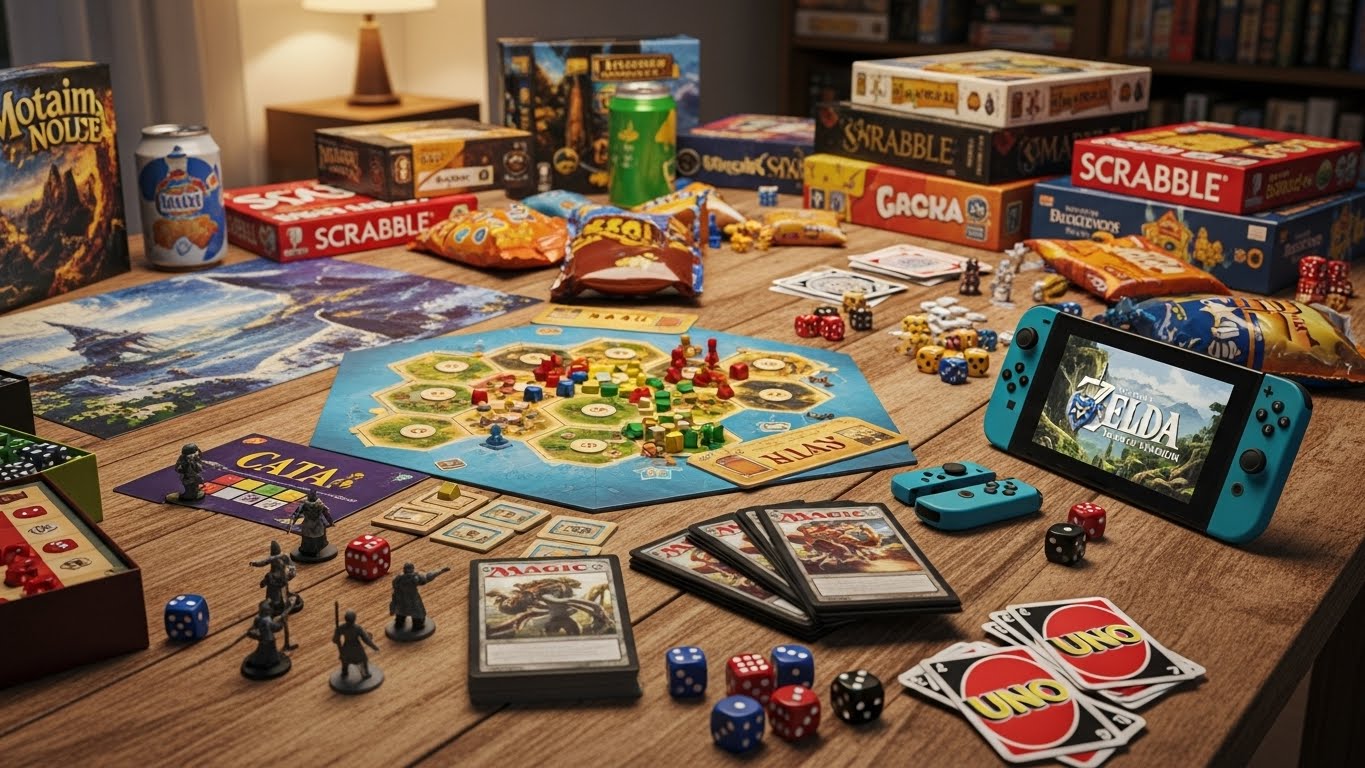
Games are an integral part of human culture, spanning centuries and continents, adapting to the changing needs and preferences of society. From the ancient board games played in royal courts to the digital giants of today, games have been a source of entertainment, education, and social interaction. But the significance of games goes beyond just fun. They shape our understanding of strategy, teamwork, and problem-solving, and they play a key role in both individual development and societal progression. In this blog post, we will explore the evolution of games, how they impact our lives, and why they remain so essential in today’s fast-paced world.
The Origins of Games: A Universal Tradition
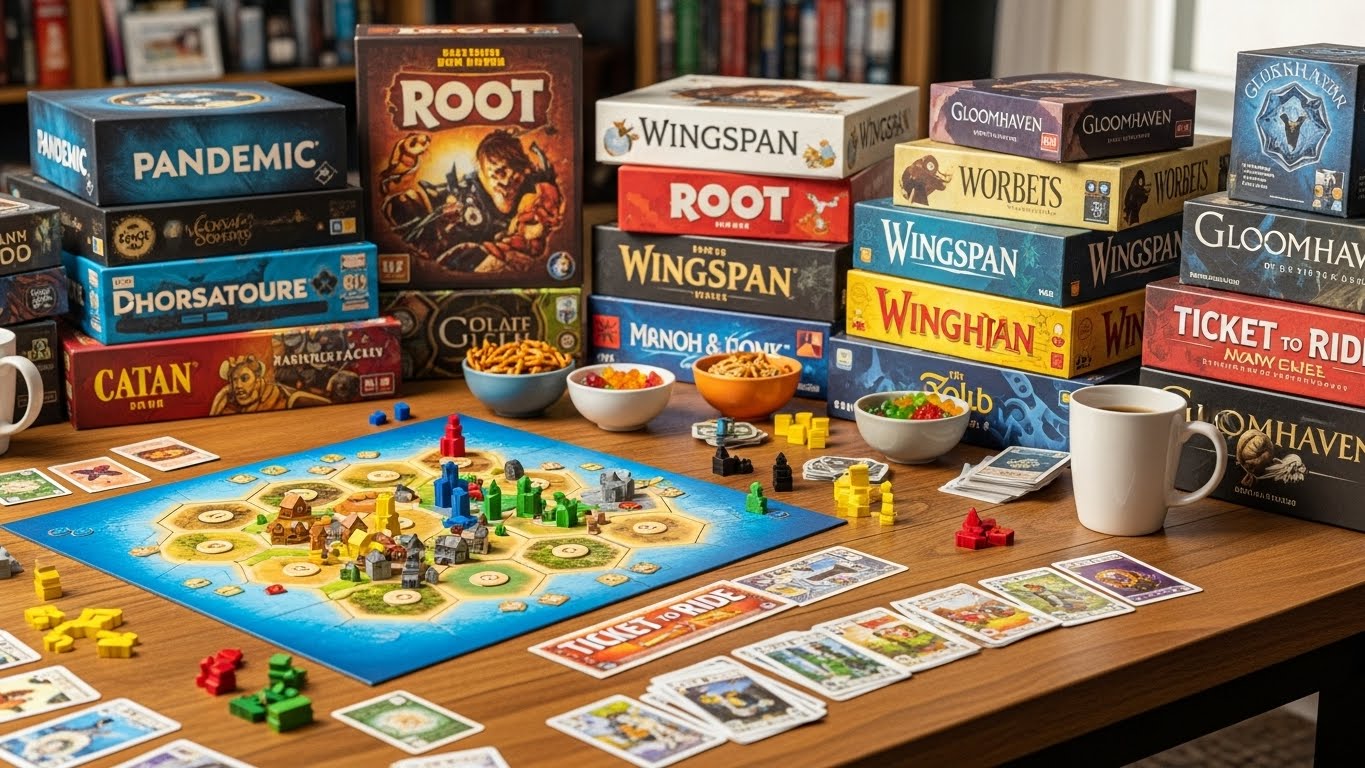
The history of games can be traced back to ancient civilizations. In every culture, games have existed in some form, offering a means of recreation, skill-building, and sometimes even spiritual or moral lessons. Ancient Egyptians played games like Senet, which involved strategy and chance, while the Chinese invented Go, a game of territorial conquest that is still played today.
Games as Tools of Learning
The earliest games often had a dual purpose. Not only were they forms of entertainment, but they were also educational. For example, ancient children used games to develop cognitive skills, like memory, logic, and problem-solving. Games such as chess—originating from India in the 6th century—offered players a chance to enhance strategic thinking and foresight. Chess became so universally influential that it is still regarded as the ultimate game of strategy today.
In other cultures, games played an important role in social structures. The ancient Romans enjoyed gladiatorial combat, which, while brutal, also helped instill ideas of strength, courage, and public performance. In some cases, games reflected the values of a society, whether it was through promoting cooperation, competition, or physical prowess.
The Rise of Video Games: A Digital Revolution
As we moved into the 20th century, the introduction of video games marked a significant shift in how games were played and consumed. Video games transformed from simple arcade experiences to immersive digital worlds, reshaping the gaming landscape forever.
The Birth of the Arcade
The first commercially successful video game, Pong, was released in 1972 by Atari. It was a simple game of ping-pong, but it captured the public’s imagination and introduced millions to the concept of interactive entertainment. Following Pong, a wave of arcade games such as Space Invaders and Pac-Man captured the hearts of players around the world. These early video games were rudimentary, yet they laid the foundation for what would become a multi-billion-dollar industry.
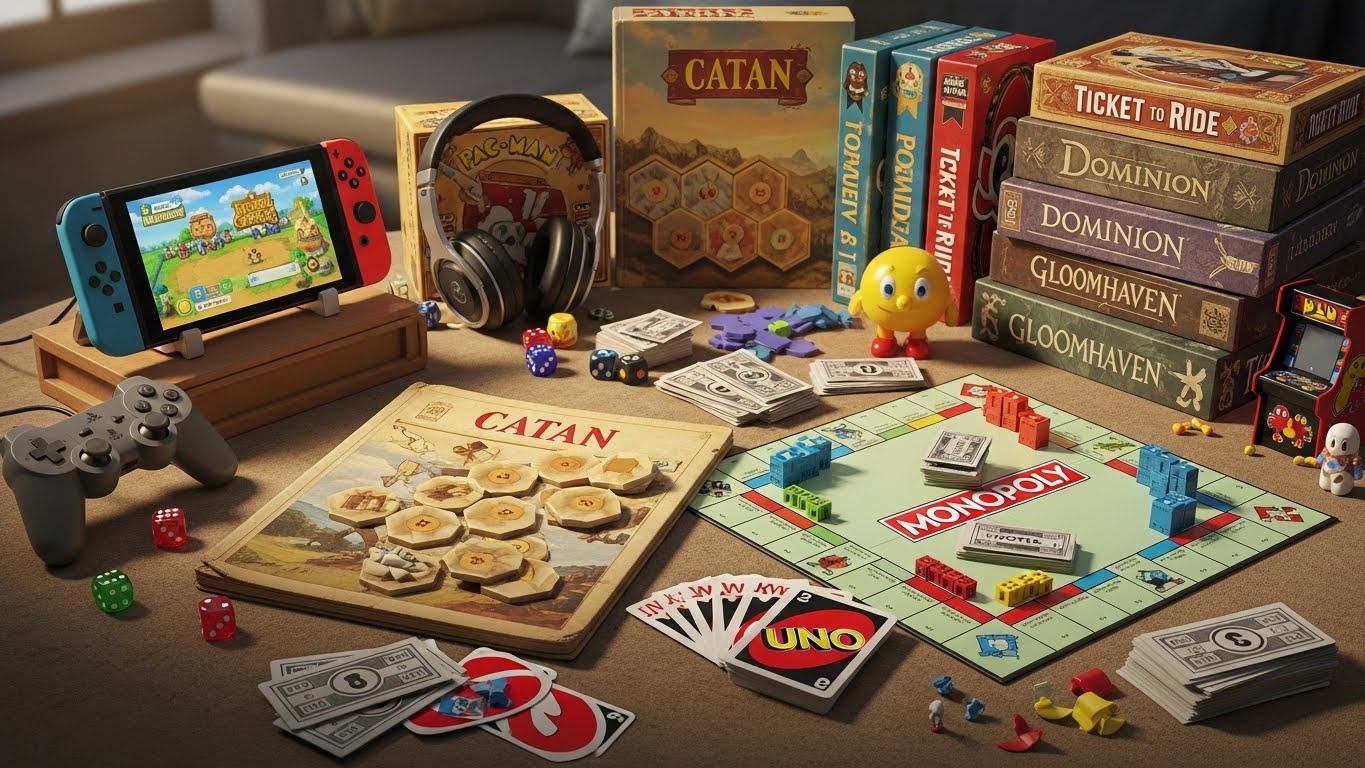
The 1980s and 1990s saw the rise of home consoles like the Nintendo Entertainment System (NES) and the Sega Genesis, making gaming more accessible to families and individuals. These consoles revolutionized gaming, allowing players to enjoy titles like Super Mario Bros., The Legend of Zelda, and Sonic the Hedgehog in their own homes. The ability to play video games on a dedicated console or personal computer offered a level of immersion that was not possible with earlier board games or card games.
The Evolution of Game Genres
As technology improved, so did the complexity of video games. In the late 1990s and early 2000s, game developers began to explore different genres and platforms, creating new types of experiences for players. The first-person shooter genre exploded with titles like Doom and Quake, while the role-playing game (RPG) genre grew with the success of Final Fantasy and The Elder Scrolls. The 3D world of games like Super Mario 64 and The Legend of Zelda: Ocarina of Time showcased the power of graphical advancements and spatial design in gaming.
One of the most notable developments during this period was the rise of multiplayer games. Whether through local area networks (LAN) or the internet, games like Counter-Strike and World of Warcraft allowed players from different parts of the world to interact, collaborate, and compete in real-time. This marked a shift from solitary gaming experiences to global, interconnected play.
The Shift to Mobile Gaming
The 21st century brought another shift to gaming: mobile gaming. The rise of smartphones and tablets introduced a new era of gaming where players could enjoy games anytime, anywhere. Simple games like Angry Birds and Candy Crush became global phenomena, showing that gaming didn’t have to be a time-consuming or complex activity to be engaging.
Mobile games also made gaming more inclusive, with people who had never considered themselves gamers now spending hours on their phones enjoying a quick game. This shift made gaming more accessible, reaching audiences who might not have picked up a console or a PC. The ability to download and play games directly from app stores has made gaming an everyday activity for people of all ages.
The Impact of Games: More Than Just Fun
While games are often seen purely as entertainment, their impact goes much deeper. Games have the ability to shape individuals, teach valuable life skills, and bring people together.
Cognitive and Social Benefits
One of the most significant benefits of gaming is its ability to enhance cognitive abilities. Whether playing a strategy game like Civilization or a puzzle game like Tetris, gamers engage in critical thinking, problem-solving, and pattern recognition. Many studies have shown that regular gaming can improve memory, focus, and reaction times, especially when playing fast-paced or complex games.
Video games also foster creativity. Games like Minecraft and The Sims allow players to build and create their own worlds, encouraging imaginative thinking and the ability to problem-solve within a virtual space. Game developers often push the boundaries of narrative storytelling, creating emotionally engaging experiences that require players to think deeply about character motivations and choices.
On the social side, games have become an essential form of social interaction. Multiplayer online games, such as Fortnite and League of Legends, allow players to connect with others from all over the world, building friendships and teamwork skills in the process. Online gaming communities are often tight-knit, with players forming bonds over shared interests, strategies, and experiences.
The Role of Games in Education
Games have also made their way into educational settings, where they are used as tools for learning and engagement. Educational games are becoming increasingly popular in schools, with developers creating content that makes learning fun. Games like Oregon Trail and Math Blaster introduced younger audiences to the educational potential of gaming in the 1980s and 1990s, while modern games like Duolingo (language learning) and Kahoot! (quiz-based learning) continue to keep students engaged while helping them develop valuable skills.
Simulations and strategy games, such as SimCity, have been used in classrooms to teach students about city planning, economics, and environmental concerns. Virtual reality (VR) and augmented reality (AR) technologies are also beginning to play a significant role in education, allowing students to experience historical events, explore the human body, or even visit far-off places without leaving the classroom.
The Dark Side of Games: Addiction and Violence
Despite their many benefits, games are not without controversy. One of the most commonly discussed issues in the gaming community is video game addiction. Some players become so absorbed in their games that they neglect other aspects of their lives, including work, school, and relationships. Gaming addiction has been recognized by the World Health Organization as a mental health disorder, and many parents and educators are concerned about the negative impact excessive gaming can have on young people.
Another contentious issue surrounding games is the portrayal of violence. Critics argue that violent video games, such as Grand Theft Auto or Call of Duty, can desensitize players to real-world violence and promote aggressive behavior. While research on the link between violent games and real-world violence is still inconclusive, this debate continues to influence the gaming industry and public perception.
Additionally, there are concerns about in-game purchases and gambling mechanics. Microtransactions and loot boxes, which allow players to purchase in-game items or advantages, have come under fire for being exploitative, particularly in games aimed at younger audiences. Some critics argue that these features prey on players’ desire to “win” by creating a pay-to-win environment, which can undermine the skill and enjoyment aspects of gaming.
The Future of Gaming: Trends to Watch
As technology continues to evolve, the future of gaming looks incredibly exciting. New platforms, game mechanics, and innovations promise to further push the boundaries of what gaming can offer.
Virtual and Augmented Reality
Virtual reality (VR) and augmented reality (AR) are two technologies that are already beginning to shape the future of gaming. VR headsets, such as the Oculus Rift and PlayStation VR, allow players to immerse themselves fully in digital worlds, offering a level of realism and interactivity that traditional screens cannot match. AR, as seen in games like Pokémon Go, blends the virtual and real worlds, allowing players to interact with digital elements overlaid on their physical environment.
Cloud Gaming
Cloud gaming, where players can stream games directly from remote servers rather than running them on a local device, is another technology that will likely shape the future of gaming. Platforms like Google Stadia and Xbox Cloud Gaming promise to bring high-quality gaming to a wider audience, as it eliminates the need for expensive hardware and allows players to play anywhere with an internet connection.
AI and Procedural Content
Artificial intelligence will play an even greater role in the future of gaming, particularly in creating more dynamic and responsive game worlds. AI-driven characters and environments can make games feel more alive, with non-player characters (NPCs) that adapt to player behavior and storylines that change based on decisions made during gameplay. Procedural generation, a technique where game worlds are created algorithmically rather than by hand, is also expected to continue growing, offering players vast, ever-changing environments to explore.