 gamercore13
Video games have come a long way since their humble beginnings. From the simple, pixelated graphics of the 1970s to today’s ultra-realistic, open-world experiences, gaming has evolved into one of the largest and most dynamic entertainment industries in the world. What was once considered a niche hobby is now a cultural phenomenon, with millions of people playing games daily across the globe. In this blog post, we will explore the journey of gaming, the changes that have shaped the industry, and what the future holds for players and developers alike.
The Humble Beginnings: The Birth of Video Games
The origins of video games can be traced back to the 1950s and 1960s, when university researchers and engineers began experimenting with computers to create simple interactive programs. The earliest games were incredibly basic by today’s standards, often consisting of simple shapes and patterns.
One of the first recognized video games, Tennis for Two, was developed in 1958 by physicist William Higinbotham. Played on an oscilloscope screen, the game allowed two players to control paddles and hit a ball back and forth in a tennis match. While rudimentary, it was a groundbreaking development in the history of interactive entertainment.
However, it wasn’t until 1972 that the first commercially successful video game, Pong, was released by Atari. Pong was a simple tennis simulation, where players controlled paddles and tried to hit a ball past their opponent. The game was a hit, and its success helped pave the way for the video game industry.
The 1980s: The Golden Age of Arcades and the Rise of Consoles
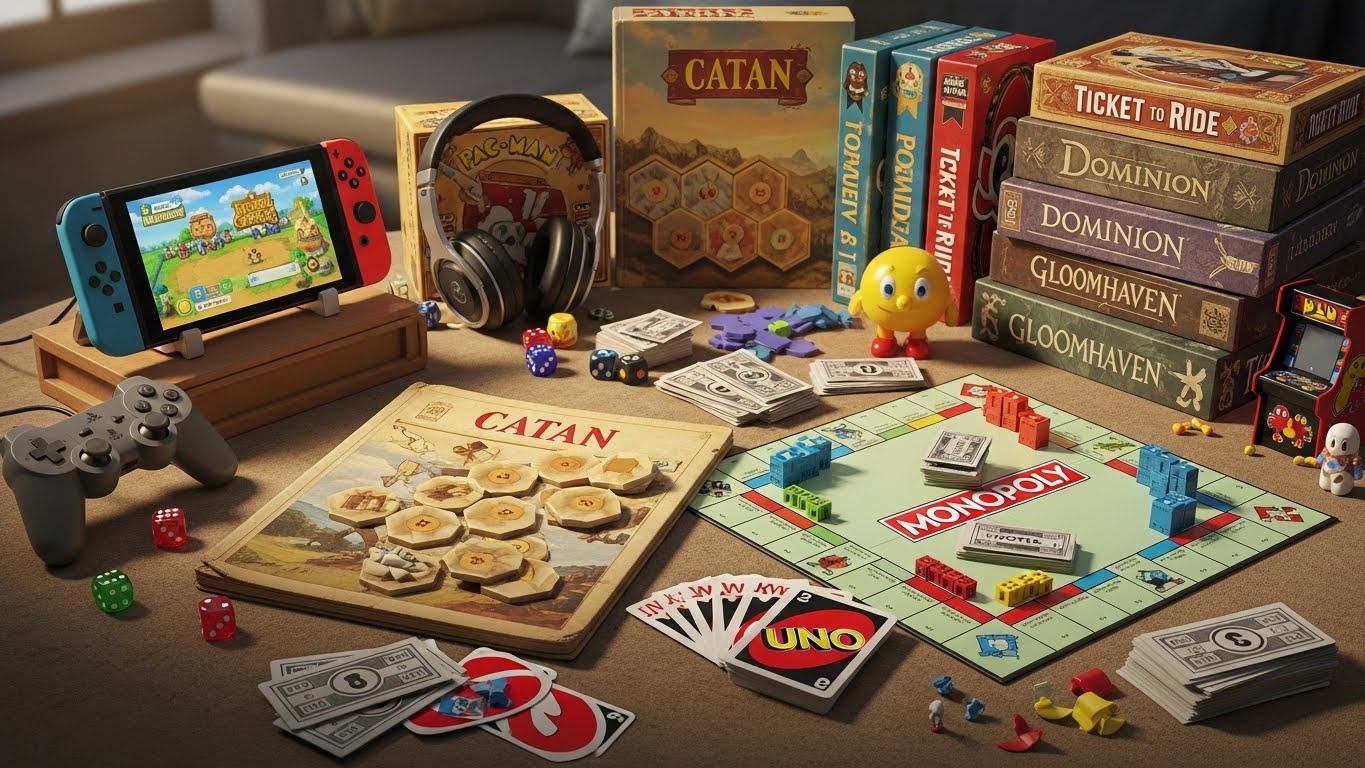
The 1980s marked a turning point for gaming, with the rise of arcade games and the emergence of home consoles. Arcade games, which could be found in malls, restaurants, and movie theaters, became a massive part of pop culture. Titles like Pac-Man, Donkey Kong, and Space Invaders became household names and introduced millions of players to the world of gaming.
Arcades were not just about playing games—they were social hubs. Players would gather around machines, challenge each other to high-score competitions, and engage in friendly rivalry. This sense of community was one of the key elements that made arcades such a popular pastime during the 1980s.
At the same time, home consoles like the Atari 2600 and the Nintendo Entertainment System (NES) began to gain traction. The ability to play games at home, on your own TV, was a game-changer. While arcade games were often expensive to play, home consoles made gaming more affordable and accessible. The NES, which launched in 1985, was instrumental in bringing gaming into the mainstream, offering iconic titles like Super Mario Bros. and The Legend of Zelda.
The 1980s also saw the introduction of portable gaming devices like the Game Boy, which allowed players to enjoy their favorite games on the go. This era marked the birth of the modern gaming culture, as it set the stage for future innovations and expanded the reach of video games to a wider audience.
The 1990s: 3D Graphics, CD-ROMs, and the Rise of PC Gaming
The 1990s was a transformative decade for video games, as technological advancements enabled the creation of more complex, immersive experiences. The introduction of 3D graphics and CD-ROM technology revolutionized both home consoles and PC gaming.
In the console world, the 1990s saw the release of the Sony PlayStation in 1994. This system introduced gamers to the power of 3D graphics and CD-ROMs, which allowed for larger and more detailed games. Titles like Final Fantasy VII, Gran Turismo, and Metal Gear Solid helped define the PlayStation as a major player in the gaming industry.
Meanwhile, PC gaming began to take off, driven by the increasing power of personal computers. Games like Doom and Warcraft offered players more advanced gameplay and intricate storylines. The rise of the internet also opened up the world of online multiplayer gaming, with games like Quake and StarCraft allowing players to connect and compete against each other across the globe.
The 1990s also saw the advent of more sophisticated storytelling in games. Franchises like The Legend of Zelda and Final Fantasy began to include rich, narrative-driven experiences that rivaled those of movies and books. This shift from simple, arcade-style games to complex, story-based experiences was one of the defining characteristics of this era.
The 2000s: Online Gaming, Consoles, and the Explosion of Mobile Games
The 2000s marked a significant shift in the gaming landscape. With the rise of broadband internet, online multiplayer games became a major part of the gaming experience. Games like World of Warcraft, Halo 2, and Counter-Strike allowed players to team up or compete with others across the world, creating vast online communities. The ability to play with friends or strangers in real-time, across continents, transformed gaming from a solitary activity into a global social experience.
The 2000s also saw the release of some of the most successful consoles in history. The Sony PlayStation 2, released in 2000, became the best-selling console of all time, thanks to its extensive library of games and its backward compatibility with PlayStation 1 titles. The Xbox 360 and PlayStation 3, both launched mid-decade, introduced high-definition graphics and advanced online features, further enhancing the gaming experience.
In addition to traditional gaming platforms, mobile gaming emerged as a significant force in the 2000s. With the launch of smartphones, gaming became more portable than ever. The App Store and Google Play opened the doors for millions of developers to create games that could be played on mobile devices. Titles like Angry Birds, Candy Crush Saga, and Clash of Clans became global phenomena, reaching audiences who may not have previously considered themselves gamers.
The 2010s: Open-World Games, Virtual Reality, and Streaming
The 2010s were defined by expansive, open-world games and the introduction of virtual reality (VR) technology. The release of games like The Elder Scrolls V: Skyrim, Grand Theft Auto V, and The Witcher 3: Wild Hunt marked a shift toward more immersive, free-form gaming experiences. These open-world games allowed players to explore vast, detailed environments, complete quests, and engage in countless activities at their own pace.
The decade also saw the continued growth of esports, as competitive gaming evolved into a global phenomenon. Games like League of Legends, Dota 2, and Overwatch became staples of the esports scene, with professional players, teams, and tournaments drawing millions of viewers worldwide. Esports is now a multi-billion-dollar industry, with sponsorships, merchandise, and even college scholarships available for top players.
Virtual reality, which had previously been a niche technology, began to make its way into mainstream gaming. VR headsets like the Oculus Rift and HTC Vive allowed players to immerse themselves in virtual worlds like never before. While VR gaming is still in its early stages, it has the potential to completely redefine how we experience video games.
Streaming also became a significant part of the gaming landscape in the 2010s, with platforms like Twitch and YouTube Gaming enabling gamers to broadcast their gameplay to global audiences. Streaming has created a new type of celebrity, with streamers and content creators amassing large followings and making a living by playing and discussing video games.
The 2020s and Beyond: The Future of Gaming
Looking to the future, the gaming industry is poised for even more innovation. Cloud gaming, which allows players to stream games without the need for powerful hardware, is likely to become more prevalent. Services like Google Stadia, Xbox Cloud Gaming, and NVIDIA GeForce Now are already testing the waters, and in the coming years, gaming could become entirely accessible through subscription-based streaming services.
Additionally, advancements in artificial intelligence (AI) and machine learning will likely lead to more sophisticated, dynamic game worlds. AI could be used to create non-playable characters (NPCs) that react more realistically to player actions, making the gaming experience more immersive and unpredictable.
The continued development of virtual and augmented reality could also transform gaming into an even more interactive experience. Imagine playing a game where you physically move through your environment, or where your actions in the real world are reflected in the game. Mixed reality games that blend the real and virtual worlds could be the next big leap in gaming.
Conclusion: The Unstoppable Growth of Gaming
From its modest beginnings in arcades to the current age of virtual reality and streaming, video games have undergone an incredible evolution. The industry has expanded beyond entertainment to become a global cultural force, impacting everything from social interactions to professional careers. Gaming is no longer just a pastime for a select few—it is a dynamic, interactive medium enjoyed by people of all ages and backgrounds.
As technology continues to advance, the future of gaming holds boundless possibilities. With innovations like cloud gaming, AI, and VR on the horizon, the way we experience games will continue to evolve in exciting ways. One thing is certain: the gaming industry will remain a dominant force in entertainment for years to come, providing both a means of escape and a platform for creativity and competition. Whether you’re a casual player or a competitive gamer, the world of gaming has something for everyone, and it’s only going to get more immersive and engaging in the years ahead.