 gamercore13
Introduction
Games have always been more than a way to pass time. From ancient board games carved into stone to massive digital worlds powered by cutting-edge technology, games represent one of humanity’s most expressive and adaptable forms of entertainment. In today’s world, gaming has grown into a cultural force that influences creativity, storytelling, social interaction, and even education. This blog explores the evolving universe of games, why they matter so deeply to us, and how they continue to shape our lives in surprising ways.
The Human Connection to Play
Humans have played games for thousands of years. Whether it was a simple contest of strength, a strategic board game, or a storytelling activity, our ancestors used play as a way to communicate, bond, and learn. Games tap into our need for challenge, competition, mastery, and social interaction. They allow us to experience victory, loss, growth, and exploration in a controlled environment, making them powerful tools for emotional and intellectual development.
A Brief Evolution of Gaming
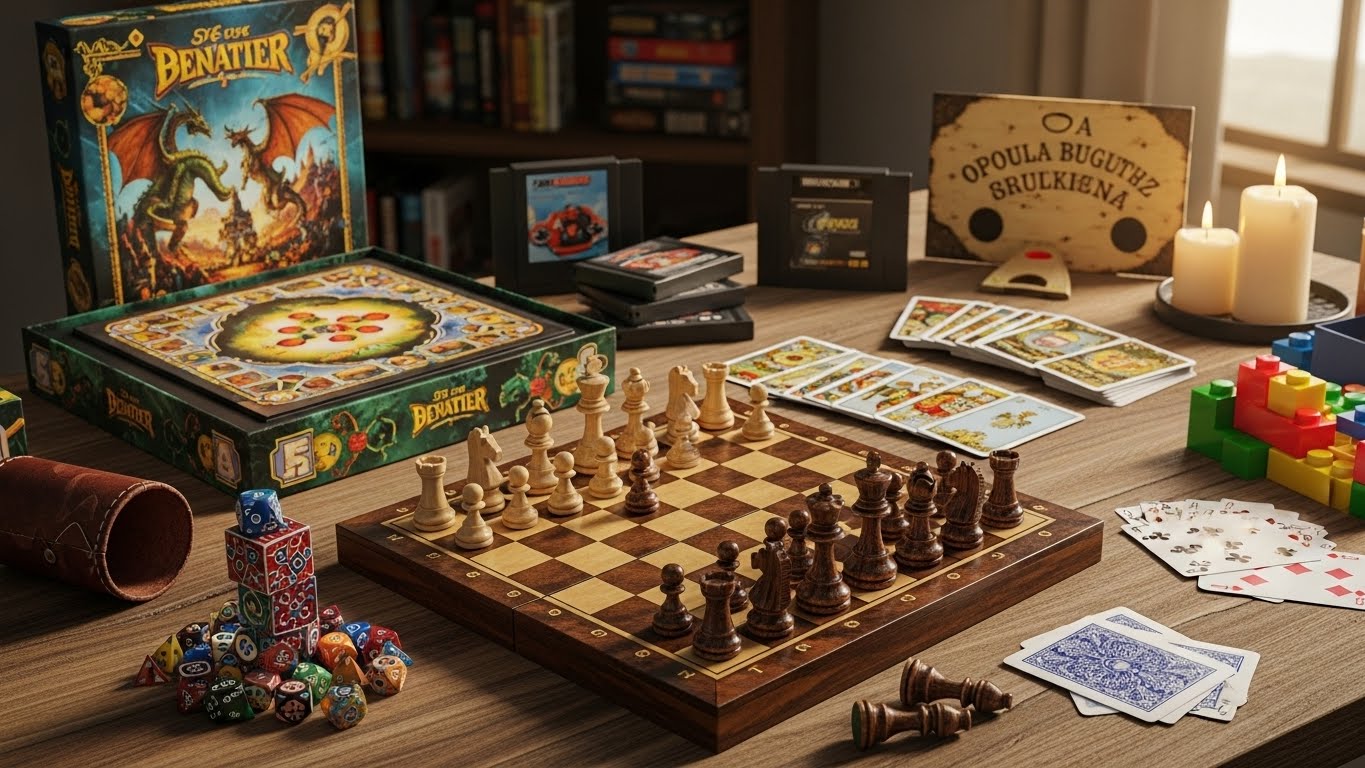
Over time, games evolved from physical and communal activities to immersive digital experiences. Ancient civilizations designed games like Senet and Go, medieval societies enjoyed chess and dice games, and the twentieth century saw the rise of tabletop role-playing and arcade classics. When video games emerged, they revolutionized how people interacted with entertainment. What started with basic pixel adventures grew into complex virtual realities capable of transporting players into fully fleshed-out worlds. Each step in the evolution of games reflected advancements in technology and shifts in cultural interests.
Why Games Matter in Modern Society
Today, games are not simply something children play after school. They have become a global cultural and economic phenomenon enjoyed by people of all ages. Games spark creativity by allowing players to build, experiment, and explore. They foster problem-solving through puzzles, simulations, and strategy-based challenges. They also help develop teamwork and communication skills, particularly in multiplayer environments where cooperation is essential for success. Because of these qualities, games today play meaningful roles in education, therapy, training, and social bonding.
The Power of Storytelling in Games
One of the most extraordinary aspects of modern games is storytelling. Unlike books or movies, games let players influence the narrative through their choices. This interactive element creates a deep emotional connection with characters and events. A well-designed game allows players to feel like the heroes of their own stories, shaping the outcomes through courage, curiosity, or strategic thinking. This level of immersion transforms storytelling into a personal journey rather than a passive experience.
Multiplayer Worlds and Social Bonds
Games have become a hub for community building. Multiplayer experiences allow people from around the world to connect, communicate, and collaborate. Players form friendships, build teams, and share victories and defeats. For many, games serve as a safe environment to express themselves or find like-minded individuals. The social aspect of gaming is one of the strongest reasons behind its global popularity, turning hobbies into lasting communities.
The Role of Games in Education
Educators have begun embracing games as powerful tools for learning. Because games naturally encourage engagement and motivation, they are ideal for teaching complex topics in an enjoyable way. Educational games help students grasp difficult subjects like mathematics, history, or languages through interactive challenges and rewards. Beyond traditional subjects, games also help develop essential life skills such as critical thinking, resilience, and collaboration. When used thoughtfully, games can make learning not only effective but also joyful.
Games as Tools for Creativity
Many modern games give players the chance to express themselves artistically. Sandbox games allow players to design worlds, build structures, and experiment with new ideas. Role-playing games let players develop characters with rich backstories and personalities. Even competitive games encourage creativity through strategy and gameplay innovation. This creative freedom makes games one of the most interactive forms of self-expression.
The Competitive World of Esports
Esports has transformed gaming into a professional sport watched by millions. Players train rigorously, study strategies, and compete in tournaments with significant prizes. This competitive environment has created careers for players, commentators, coaches, and event organizers. Esports showcases the skill, dedication, and teamwork involved in gaming and has become one of the fastest-growing entertainment industries in the world. It illustrates how games have evolved beyond leisure and into legitimate global sports.
The Psychological Impact of Gaming
Games have a unique ability to affect the human mind and emotions. They can provide comfort, escape, excitement, or challenge. For many, games serve as stress relief and emotional balance, offering a break from real-world pressures. Research shows that games can improve memory, hand-eye coordination, decision-making, and cognitive flexibility. When played mindfully, games can elevate mental well-being and support emotional health.
How Games Reflect Society
Games often mirror societal values, fears, and hopes. They incorporate themes of justice, survival, exploration, and identity. Some games critically examine political systems, environmental issues, or technological advancements. Through interactive storytelling, games offer players a chance to reflect on real-world challenges and consider their place within society. This makes gaming not only entertaining but also intellectually stimulating and culturally significant.
The Future of Games
The future of gaming promises groundbreaking advancements. Virtual reality allows players to fully immerse themselves in digital environments. Augmented reality blends the virtual and real worlds. Artificial intelligence enables smarter, more adaptive gameplay experiences. As technology continues to grow, games will become even more realistic, interactive, and personalized. They may influence areas such as education, medicine, and communication in ways we have yet to imagine.
The Importance of Healthy Gaming Habits
While games offer tremendous benefits, balance is essential. Healthy gaming involves managing screen time, taking breaks, and maintaining positive online interactions. Parents, educators, and players themselves must cultivate habits that allow gaming to be enriching rather than overwhelming. When approached responsibly, games can enhance life rather than disrupt it.
Conclusion
Games are woven deeply into human history, culture, and daily life. They entertain, educate, challenge, and inspire us. Whether played casually or competitively, solo or with friends, games open doors to imagination and connection. As technology advances and creativity expands, the world of gaming will continue to grow and transform. What remains constant is the human love for play and the infinite possibilities it brings. Games are not just pastimes; they are reflections of who we are and gateways to the worlds we dream of creating.