 gamercore13
Introduction: The Ever-Growing Influence of Games
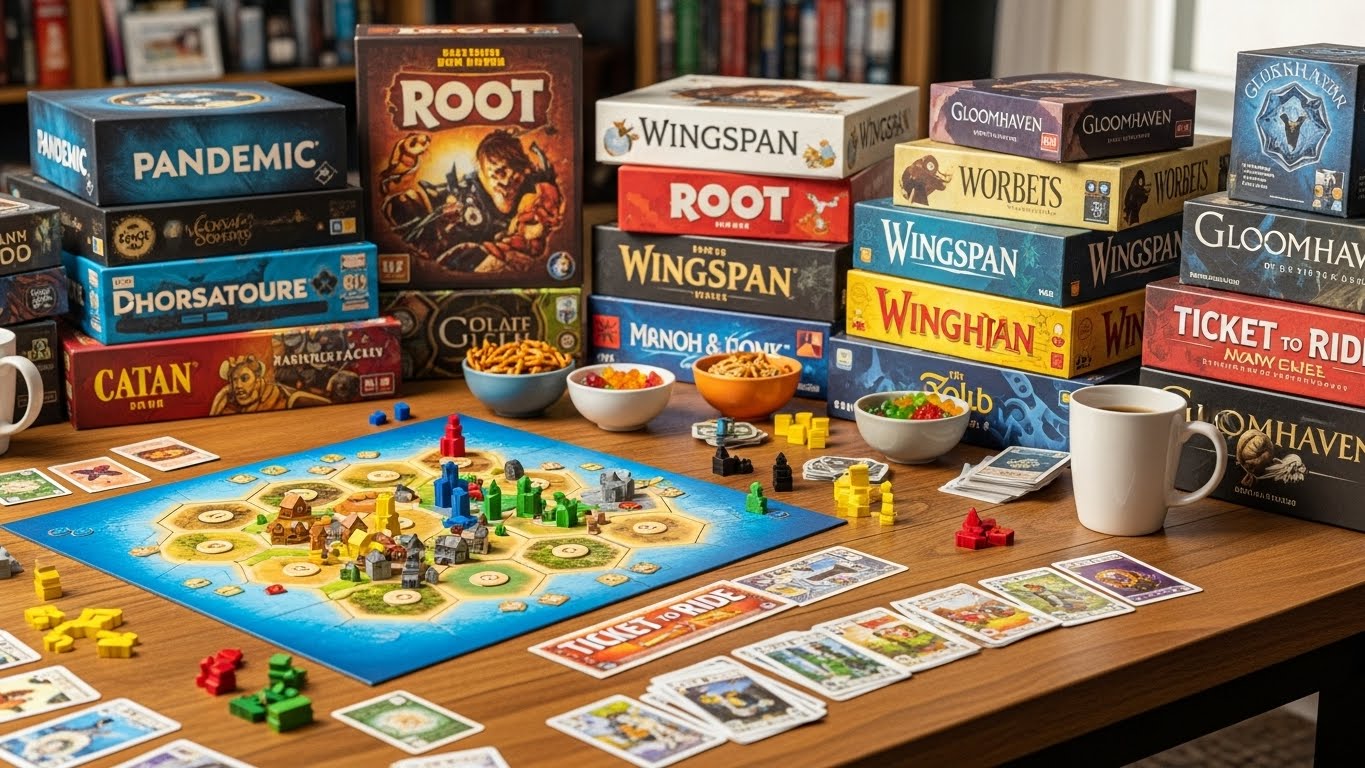
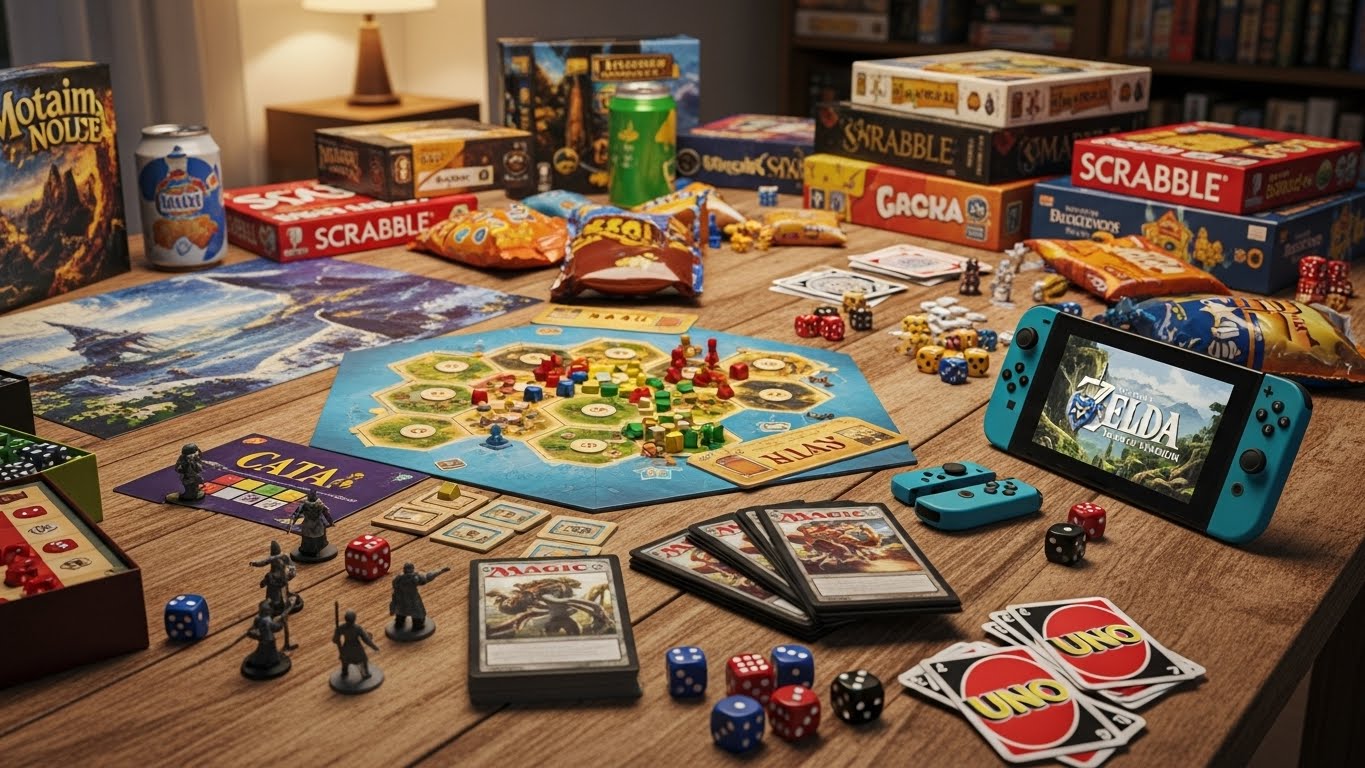
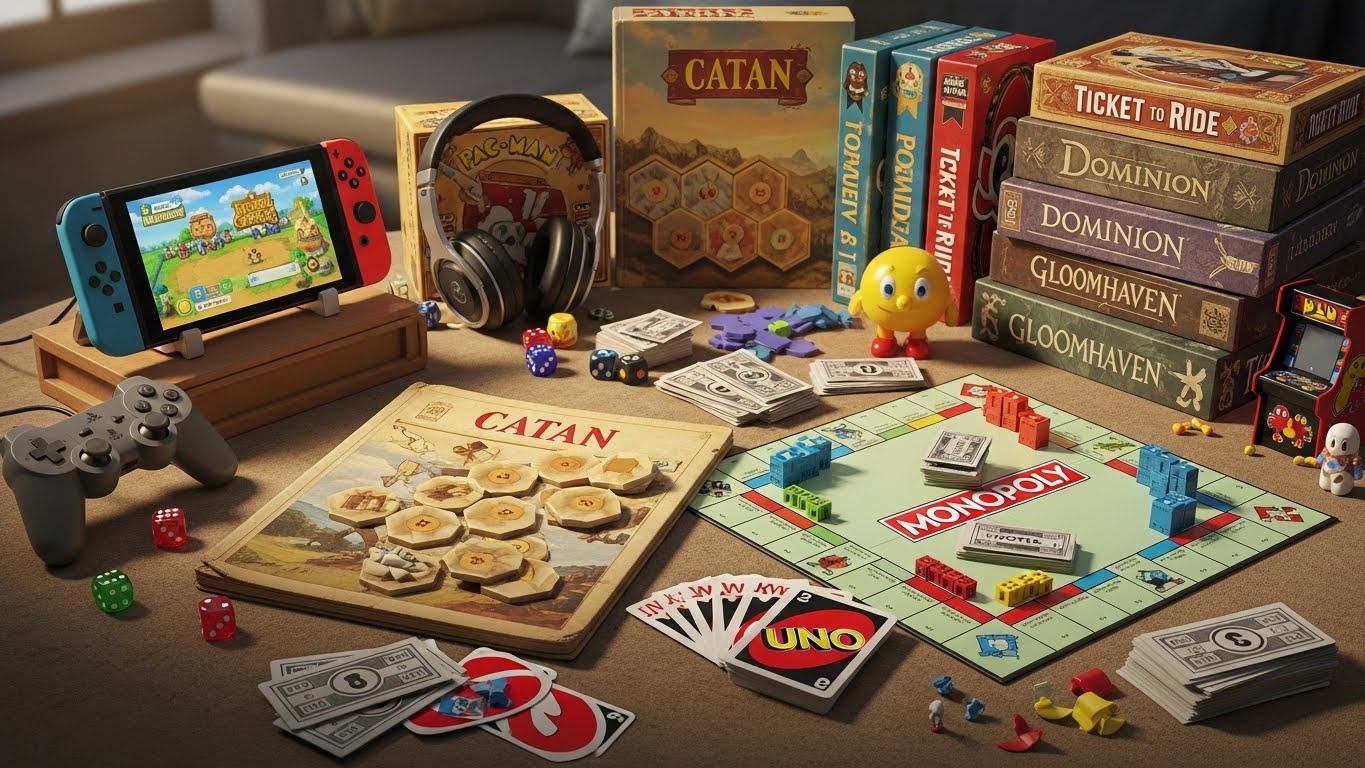
In the world we live in today, games have evolved into one of the most powerful forms of entertainment, education, and social interaction. What started as simple recreational activities in ancient times has now grown into a global phenomenon, influencing nearly every aspect of modern culture. Whether it’s through video games, board games, or mobile apps, games are present in virtually every corner of our lives. But games are not just about entertainment; they offer a wealth of benefits, from improving cognitive skills to fostering social bonds. This blog post explores the many ways in which games shape our lives and why they are more important now than ever before.
The Origins of Games: A Journey Through History
The history of games is as rich and diverse as humanity itself. Evidence of games dates back to ancient civilizations where they were used for everything from entertainment to spiritual practices. The Egyptians played games like Senet, one of the oldest known board games, which had both recreational and symbolic significance. Similarly, in Mesopotamia, the Royal Game of Ur was not only a pastime but also a way to educate rulers about strategy and chance.
As we moved into the medieval period, games like chess became popular among the elite. Chess, in particular, is still widely regarded as a game of deep strategy and skill, with origins that trace back to India in the 6th century. These early games were often a means of sharpening the mind, encouraging strategic thinking, and providing intellectual stimulation.
Fast forward to the 20th century, and we see a shift from physical games to electronic games. The rise of arcade games in the 1970s and the home console revolution in the 1980s opened up a new realm of gaming. As technology advanced, so did the sophistication of games, eventually leading to the immersive, high-definition worlds we experience today in digital gaming.
The Rise of Video Games: A Cultural Shift
The most significant transformation in the gaming landscape has undoubtedly been the rise of video games. Video games have grown from simple pixelated screens to complex, story-driven experiences. What began as arcade games like Pong and Space Invaders quickly expanded into a global industry with multi-billion-dollar revenues. As personal computers, consoles, and mobile devices became more advanced, so too did the games they powered.
In the 1990s, the development of 3D graphics and the introduction of new genres like first-person shooters (FPS), real-time strategy (RTS), and role-playing games (RPGs) revolutionized the gaming experience. Iconic games like Super Mario 64, The Legend of Zelda: Ocarina of Time, and Final Fantasy VII became not just games, but cultural landmarks. These games introduced players to rich, detailed worlds and storylines that rivaled the best movies and books.
The internet also played a pivotal role in the evolution of gaming. Online multiplayer games like World of Warcraft and Counter-Strike allowed people from around the world to connect, compete, and collaborate in real time. The world of gaming was no longer limited to a solitary experience; it became a community-driven activity.
Mobile Gaming: A New Era of Accessibility
With the advent of smartphones, mobile gaming has become the most accessible form of gaming. Today, nearly everyone carries a gaming device in their pocket, and mobile games are some of the most popular and profitable in the world. From casual puzzle games like Candy Crush to competitive multiplayer games like Clash Royale and PUBG Mobile, the scope and variety of mobile games are vast.
One of the major advantages of mobile gaming is its accessibility. People no longer need expensive gaming consoles or high-powered PCs to enjoy a game. Whether you’re waiting in line at the grocery store or commuting to work, mobile gaming allows players to dive into short, engaging experiences without any setup or complicated controls.
Moreover, mobile gaming has democratized game development. Independent developers can now reach millions of players around the world with relatively small budgets and a simple game concept. This has resulted in a flourishing indie game scene, with titles like Among Us, Monument Valley, and Flappy Bird becoming cultural phenomena despite having humble beginnings.
The Social Impact of Games: Building Communities and Friendships
One of the most powerful aspects of modern gaming is its ability to bring people together. Gaming communities have become integral to social interactions, as people across the globe connect over their shared passion for a particular game. The rise of multiplayer games, online forums, and streaming platforms has created a global ecosystem of players who collaborate, compete, and share their experiences.
Games like Fortnite, League of Legends, and Minecraft have turned gaming into a social activity, where players work together to complete objectives, share strategies, and celebrate victories. The concept of “guilds” or “teams” in online games fosters camaraderie, and it’s not unusual for gamers to form friendships that last long after the game has ended.
Streaming platforms like Twitch and YouTube have also played a significant role in building communities. Players can now broadcast their gameplay to an audience, interact with fans, and even monetize their content. This has given rise to professional gamers and content creators who have become celebrities in their own right.
In addition to multiplayer gaming, games like Animal Crossing: New Horizons have fostered new forms of social interaction, where players connect in peaceful, non-competitive environments. These types of games emphasize cooperation, creativity, and exploration, offering a refreshing break from the competitive nature of other genres.
Gaming and Education: Learning Through Play
While gaming is often associated with entertainment, its educational potential is enormous. Many games are designed to challenge players’ cognitive skills, such as problem-solving, critical thinking, and creativity. Puzzle games like Tetris and Portal encourage players to think logically, while strategy games like StarCraft and Civilization teach resource management, planning, and decision-making.
Educational games have become a staple in schools, where they are used to teach subjects such as mathematics, language arts, and history in an interactive, engaging way. Games like Osmo for young children and Kahoot! for older students turn learning into an adventure, offering rewards and incentives to keep students motivated.
The concept of “gamification” has also gained traction in various sectors, including business and healthcare. By applying game-like elements—such as points, leaderboards, and rewards—to non-game contexts, organizations can increase employee engagement, improve training outcomes, and even encourage healthier lifestyles.
In particular, serious games, or games designed for purposes beyond entertainment, are making an impact in areas like medical training, military simulation, and environmental education. These games provide hands-on experiences and simulate real-world scenarios, allowing players to learn through trial and error in a risk-free environment.
The Future of Gaming: Immersive Experiences and New Technologies
The future of gaming is an exciting prospect, with advancements in technology continuing to reshape the industry. Virtual reality (VR) and augmented reality (AR) are two technologies that have the potential to revolutionize gaming. VR enables players to immerse themselves in fully realized virtual worlds, while AR blends digital elements with the real world, offering new types of interactive experiences.
Cloud gaming is also on the rise, allowing players to stream games without the need for expensive hardware. Services like Google Stadia and Xbox Cloud Gaming are making high-quality games more accessible to a wider audience by offloading the processing power to remote servers.
Artificial intelligence (AI) is expected to play a greater role in gaming as well. AI-powered NPCs can behave more intelligently and adapt to players’ actions, creating more dynamic and responsive game environments. This level of sophistication will allow games to be more immersive and engaging than ever before.
The rise of the “metaverse” may also transform the way we experience games. The metaverse is a collective virtual shared space where users can interact, socialize, and play games within an expansive digital world. While still in its early stages, the metaverse holds the promise of a fully integrated gaming experience, where the virtual and real worlds merge seamlessly.
The Challenges Facing the Gaming Industry
Despite its rapid growth and widespread popularity, the gaming industry faces several challenges. One major issue is the potential for gaming addiction. With the increasing amount of time and money invested in games, there are concerns about the negative effects of excessive gaming on mental health and well-being. Many game developers are now integrating features that promote healthy gaming habits, such as playtime limits and content warnings.
Another challenge is the representation of gender, race, and identity in games. While there have been improvements in recent years, many games still struggle with stereotyping and lack of diversity. Players, especially those from underrepresented groups, are calling for more inclusive content and better representation of their experiences in the virtual world.
The gaming industry also faces regulatory challenges. As gaming becomes more connected and interactive, issues like online harassment, cheating, and the protection of minors have become more pressing. Governments and regulatory bodies are working to create guidelines that ensure a safe and fair environment for players.
Conclusion: The Enduring Magic of Games
Games are more than just entertainment; they are a powerful tool for connection, education, and personal growth. From their humble beginnings as simple pastimes to their current status as a global industry, games have the unique ability to bring people together, spark creativity, and challenge the mind. As technology continues to evolve, the future of gaming holds even greater possibilities. One thing is certain—games will continue to shape the world in ways we can only begin to imagine.