 gamercore13
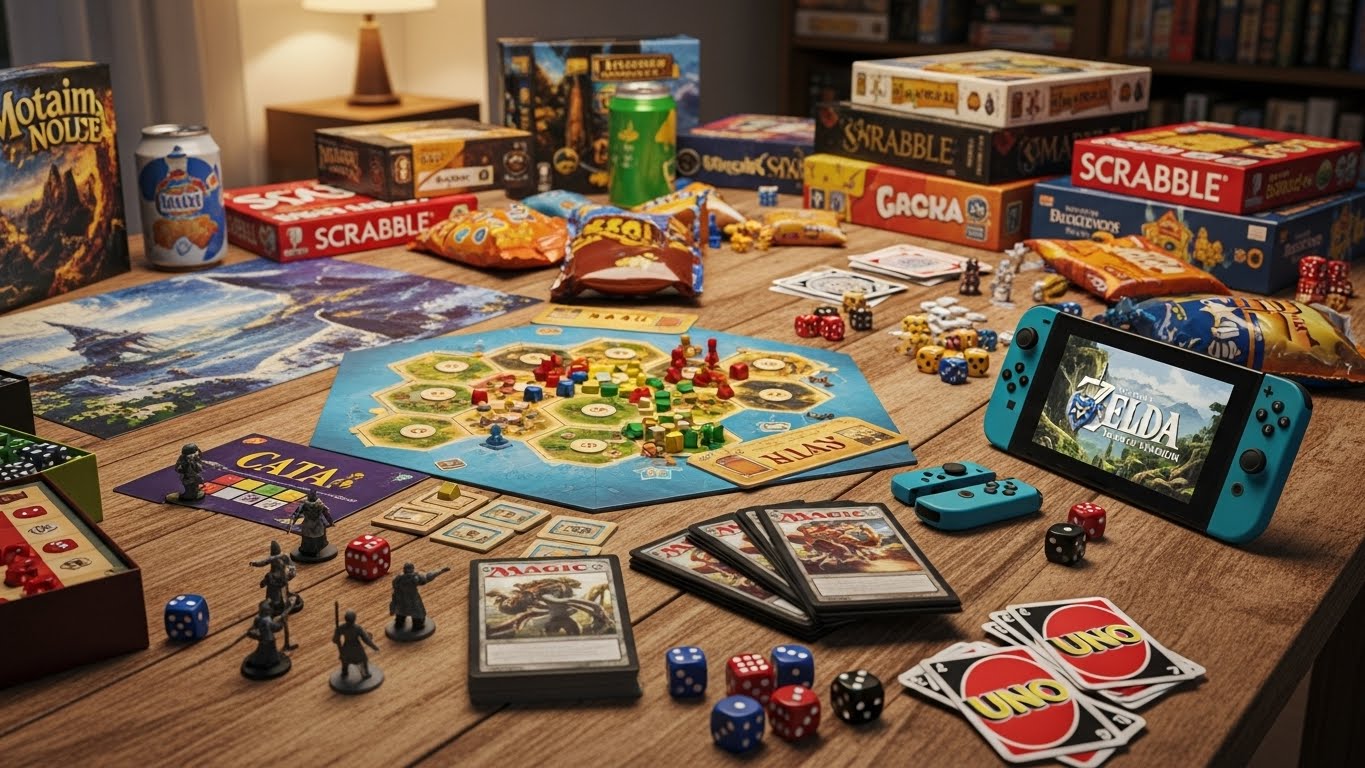
Games, in their many forms, have always been a central part of human culture, offering entertainment, competition, and creative outlets. Whether it’s the joy of completing a challenging puzzle or the excitement of battling enemies in a fantasy realm, games have evolved from simple childhood pastimes into complex and immersive experiences. This post explores the incredible journey of games—from their origins to the modern, cutting-edge experiences we enjoy today.
The Origins of Games: Simple Pleasures
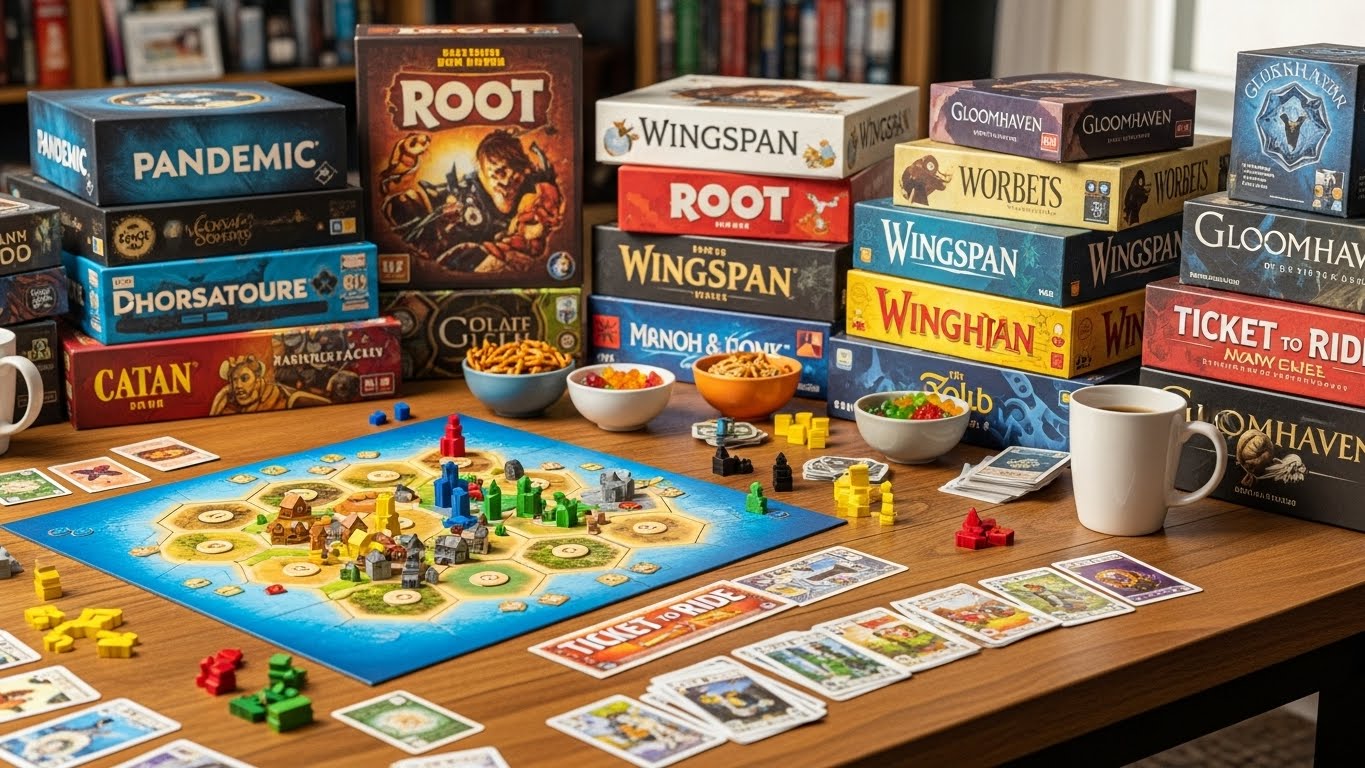
The earliest known games date back thousands of years, with some of the most famous examples being board games like Chess, Go, and Senet. These games were not just forms of entertainment; they often held deeper cultural or spiritual significance. Chess, for instance, was designed as a strategy game to reflect real-life warfare and the balance of power.
As time progressed, games evolved with society. From the ancient Greeks’ sporting competitions to Roman gladiator contests, games and sports became not just recreational activities, but also tools for socialization, education, and even conflict resolution. These early forms of gaming were as much about bringing people together as they were about fun and competition.
The leap into the digital age in the late 20th century marked a significant shift in how we interacted with games. Early video games like “Pong” and “Space Invaders” were simple, yet revolutionary in their own right. They were a precursor to the expansive, visually stunning games of today, giving a glimpse into a world where imagination and technology combine.
The Golden Age of Video Games: Consoles and Arcade Machines
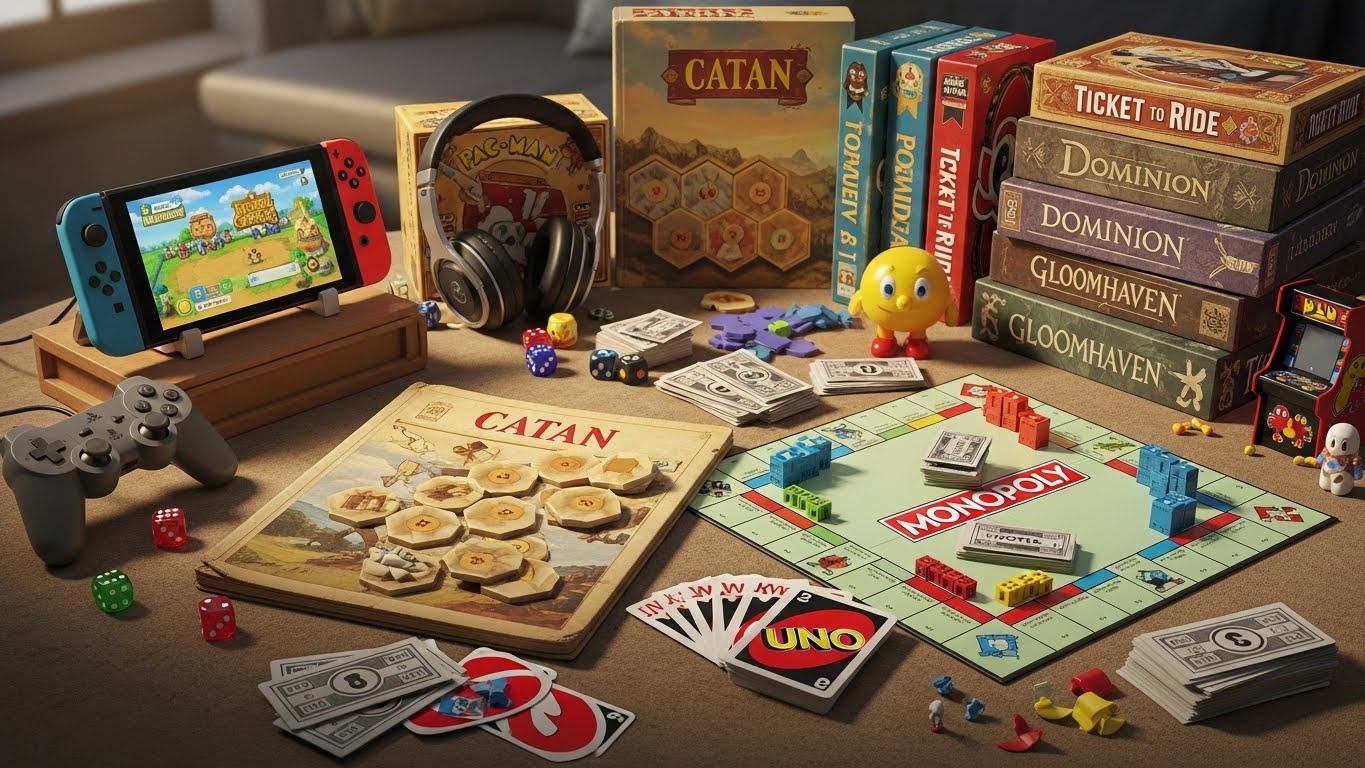
The 1980s and 1990s are often referred to as the golden age of video games. Arcade machines became a popular fixture in malls, theaters, and entertainment centers, offering players the chance to engage in competitive gameplay. Titles like “Pac-Man,” “Donkey Kong,” and “Asteroids” attracted millions of players worldwide, sparking the initial gaming craze.
At the same time, home consoles like the Nintendo Entertainment System (NES), Sega Genesis, and later the Sony PlayStation, made it possible to experience gaming at home. These consoles brought beloved characters like Mario, Sonic, and Zelda into the hearts and minds of gamers around the world. The 16-bit graphics, catchy soundtracks, and innovative gameplay mechanics made gaming more than just a passing fad; they turned it into an established form of entertainment.
The late 90s also introduced the world to the PC gaming revolution, with titles like “StarCraft” and “Quake” offering multiplayer experiences and rich, strategic gameplay that could be enjoyed across the internet. This era marked the beginning of online gaming, setting the stage for the more complex and social gaming experiences that we enjoy today.
The Rise of Immersive Worlds: Open-World and RPGs
As technology advanced, so did the complexity and depth of games. The 2000s ushered in a wave of groundbreaking titles that offered expansive, open-world environments and intricate storytelling. Games like “The Elder Scrolls III: Morrowind” and “Grand Theft Auto III” gave players freedom like never before, allowing them to explore vast virtual worlds filled with countless activities and side missions.
Role-playing games (RPGs) also took center stage during this period. Franchises like “Final Fantasy,” “The Witcher,” and “Mass Effect” introduced players to deeply narrative-driven experiences. In these games, players didn’t just move through a plot—they became part of it, making choices that influenced the direction of the story. The introduction of character customization, moral decisions, and branching storylines helped elevate gaming to an art form, where player agency and storytelling were intricately woven together.
The introduction of online multiplayer games, especially Massive Multiplayer Online Games (MMOs) like “World of Warcraft” and “EVE Online,” created entirely new dimensions to gaming. These games allowed players from around the world to unite in a shared digital universe, forming guilds, trading goods, and completing quests together. These virtual communities became homes for millions of players, demonstrating that games could offer far more than just individual experiences.
The Online Revolution: Multiplayer and eSports
One of the most transformative developments in the gaming world has been the shift to online multiplayer games. The arrival of broadband internet in the early 2000s changed the landscape forever. Players were no longer confined to local play—online multiplayer games connected gamers from across the globe, creating a truly social form of entertainment.
Games like “Halo 2” and “Call of Duty” laid the foundation for competitive online gaming. The thrill of playing against real opponents in fast-paced, adrenaline-pumping matches became a key attraction. The rise of online gaming also led to the establishment of a professional eSports scene, where competitive players could showcase their skills in front of large audiences.
Esports has exploded in popularity over the past decade, with games like “League of Legends,” “Dota 2,” and “Fortnite” drawing millions of viewers. What was once a hobby has now turned into a global spectacle, with professional gamers earning sponsorships, streaming deals, and multi-million-dollar tournament prizes. The competitive gaming industry is now just as respected as traditional sports, complete with coaches, analysts, and dedicated fanbases.
Virtual Reality and Augmented Reality: A New Dimension
While gaming was already impressive with its advanced graphics and vast open-world environments, new technologies are taking immersion to another level. Virtual reality (VR) and augmented reality (AR) have introduced an entirely new way to experience games.
VR gaming allows players to step into the game world using a headset and motion controllers, creating a level of immersion that traditional gaming can’t match. Titles like “Beat Saber” and “Half-Life: Alyx” allow players to physically interact with their environment, swing swords, shoot guns, and solve puzzles in real-time, all while feeling as though they are inside the game itself. This shift toward immersive gaming is still in its early stages, but the potential for VR to redefine gaming is immense.
On the other hand, AR games like “Pokémon GO” have shown how digital and physical worlds can intersect. In AR, virtual objects or characters appear overlaid on real-world environments, encouraging players to get outside and explore their surroundings while interacting with the game. The success of “Pokémon GO” proved that AR gaming could be both a social experience and a powerful tool for encouraging physical activity, opening up new possibilities for future game development.
Mobile Gaming: Gaming for Everyone, Everywhere
One of the most significant developments in the past decade has been the rise of mobile gaming. With smartphones becoming more powerful and accessible, games are no longer confined to consoles and PCs. From casual puzzle games like “Candy Crush” to expansive RPGs like “Genshin Impact,” mobile gaming offers a wide variety of experiences for players on the go.
The appeal of mobile games lies in their accessibility. Players can dive into a game for a few minutes while commuting, waiting in line, or relaxing at home. The shift toward mobile gaming has also democratized the industry, giving developers the opportunity to reach wider audiences. Titles like “Clash of Clans,” “Fortnite,” and “PUBG Mobile” have broken records, proving that mobile gaming can compete with traditional gaming platforms in both quality and popularity.
Additionally, cloud gaming services like Google Stadia and Xbox Cloud Gaming are making it possible to play high-end games on mobile devices without the need for expensive hardware. This technology is helping to make gaming more accessible, allowing players to stream console-quality titles from their phones, tablets, or computers, further blurring the lines between platforms.
The Future of Games: What Lies Ahead?
As gaming continues to evolve, the future looks brighter than ever. Advances in artificial intelligence, machine learning, and computing power promise even more dynamic, intelligent, and personalized gaming experiences. AI can create smarter NPCs, enhance storytelling, and offer adaptive difficulty, ensuring that every player’s journey is unique.
Moreover, as VR and AR technologies mature, games will become more immersive and interactive. In the coming years, we may see fully immersive virtual worlds where players can truly live, work, and play within a digital universe. Cloud gaming will continue to grow, making high-quality games more accessible and allowing players to experience cutting-edge titles without needing powerful hardware.
Furthermore, the integration of new technologies like haptic feedback, advanced motion controls, and even brain-computer interfaces could push the boundaries of interactivity in gaming. The lines between gaming, social media, and virtual reality will continue to blur, opening new doors for creativity and storytelling.
Conclusion: The Power of Games
From their humble beginnings as simple pastimes to the advanced, immersive experiences of today, games have come a long way. They have become a form of expression, a cultural force, and a platform for social interaction. Whether it’s the competitive thrill of an eSports tournament or the immersive storytelling of an RPG, games have captured the hearts and minds of millions across the world.
As technology continues to evolve, so too will the world of games. With each new innovation, games become more complex, immersive, and accessible. They reflect our creativity, our desire for connection, and our passion for exploration. The future of games is as exciting as ever, and there’s no telling where the next chapter of this ever-evolving story will take us.