 gamercore13
Games have been an essential part of human culture for thousands of years, serving not only as entertainment but also as a way to connect with others, hone skills, and challenge ourselves. From the ancient board games played by early civilizations to the cutting-edge digital experiences of today, the world of games has evolved into an expansive and diverse industry. Whether they’re casual mobile games, intense competitive esports, or narrative-driven single-player experiences, games have become a cornerstone of modern entertainment.
In this blog post, we’ll explore the history, impact, and future of games, examining how they have shaped society and entertainment. From the traditional to the digital, and from family-friendly fun to professional esports, games have become a way of life for billions of people around the globe. Let’s dive into the dynamic world of games and uncover the key elements that make them so compelling.
The Origins of Games: From Simple Fun to Strategic Battles
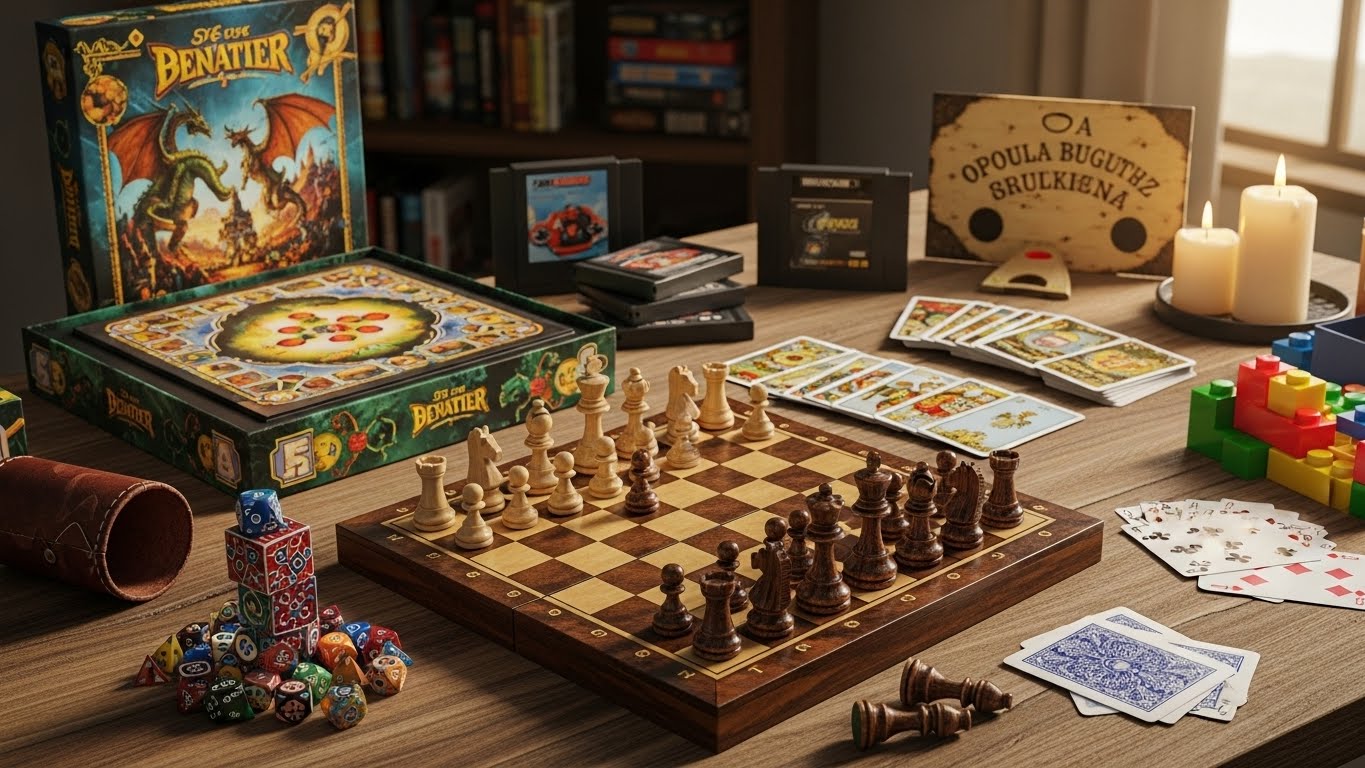
The history of games stretches back as far as recorded history itself. In ancient times, people created games for social interaction, intellectual stimulation, and sometimes even for religious or ceremonial purposes. One of the oldest known games is Senet, an Egyptian board game dating back over 5,000 years. Other ancient cultures, including the Greeks, Romans, and Chinese, also developed their own forms of games, many of which have influenced modern games.
Board games like chess, which originated in India in the 6th century AD, quickly spread throughout Europe and the Middle East, becoming a symbol of strategy and intellectual prowess. The evolution of games also gave rise to the concept of competitive play. Ancient forms of sports, such as the Olympics in Greece, are early examples of physical games that combined entertainment with athletic achievement.
While games in their early forms were often simpler and less structured than what we know today, they laid the foundation for modern entertainment and social interactions. These games, whether played with dice, stones, or on boards, were not just ways to pass the time but also a reflection of cultural values and intellectual pursuits.
The Rise of Video Games: Digital Revolution
In the mid-20th century, the world of games underwent a dramatic transformation with the advent of video games. The first commercially successful arcade video game, Pong, was released in 1972, ushering in the era of electronic gaming. It marked the beginning of a new form of entertainment that would quickly captivate audiences worldwide. Over the next few decades, video games evolved rapidly, with more complex graphics, innovative gameplay mechanics, and increasingly sophisticated narratives.
The 1980s and 1990s saw the explosion of console gaming, with companies like Nintendo, Sega, and Sony launching iconic systems such as the NES, Sega Genesis, and PlayStation. Games like Super Mario Bros., The Legend of Zelda, and Sonic the Hedgehog became household names, shaping the childhoods of millions. The introduction of home gaming consoles brought video games from arcades into living rooms, making them more accessible and mainstream.
Meanwhile, the PC gaming industry began to thrive, with games like Doom and Warcraft pushing the boundaries of what was possible in terms of graphics, interactivity, and multiplayer experiences. The ability to connect over the internet revolutionized gaming, allowing players to compete and cooperate with others across the globe.
The Changing Landscape: From Casual to Competitive Gaming
As technology advanced, gaming grew in both scope and complexity. One of the most significant shifts in the world of gaming came with the rise of online multiplayer games. In the early 2000s, online gaming became a defining trend, with games like World of Warcraft and Counter-Strike offering players a chance to connect and play in large, persistent virtual worlds.
At the same time, the development of casual games—often simpler, easy-to-play experiences with broad appeal—took off. Titles like FarmVille, Angry Birds, and Candy Crush found their way into the pockets of millions through mobile devices, introducing a new wave of gamers who might never have considered traditional gaming before. These casual games attracted a diverse demographic, from children to adults, and became a cultural force in their own right.
Another major shift occurred with the rise of esports. Competitive gaming, once a niche hobby, exploded into a global phenomenon. Esports tournaments like The International for Dota 2 and League of Legends World Championship have become massive events, drawing millions of viewers and offering multi-million-dollar prize pools. Esports has given rise to a new generation of professional gamers, streamers, and commentators, all contributing to the growing industry that surrounds competitive gaming.
Genres of Games: A Universe of Possibilities
One of the most exciting aspects of games is the sheer diversity of genres and experiences they offer. Whether you prefer the strategy of turn-based games, the action of shooters, the adventure of role-playing games, or the creativity of simulation games, there’s something for everyone. Here’s a breakdown of some of the most popular genres:
1. Action and Adventure Games
Action and adventure games are perhaps the most well-known genre in the gaming world. These games often feature a combination of physical challenges, puzzle-solving, and exploration. Iconic games like The Legend of Zelda, Uncharted, and Assassin’s Creed fall into this category, offering thrilling, narrative-driven experiences that immerse players in expansive worlds filled with action-packed sequences.
2. Role-Playing Games (RPGs)
Role-playing games allow players to take on the role of a character, guiding them through a story and shaping their decisions and actions. RPGs like Final Fantasy, The Elder Scrolls V: Skyrim, and Mass Effect provide deep, complex worlds with intricate plots, character development, and often, moral choices that affect the outcome of the game. These games often feature expansive worlds to explore and a high degree of customization, which appeals to players who enjoy crafting their own unique experiences.
3. Strategy Games
Strategy games, both turn-based and real-time, challenge players to think critically and plan their moves carefully. Games like StarCraft, Age of Empires, and Civilization require players to manage resources, build armies, and outwit opponents. These games have a dedicated fanbase that enjoys the mental challenge and tactical depth they offer.
4. Sports and Racing Games
Sports and racing games simulate real-world sports and competitive events, offering everything from soccer and basketball to racing cars and motorbikes. Titles like FIFA, NBA 2K, and Gran Turismo allow players to experience the thrill of athletic competition and high-speed racing from the comfort of their own homes.
5. Simulation Games
Simulation games give players the opportunity to manage virtual lives, worlds, or even businesses. The Sims series, SimCity, and Animal Crossing are all popular examples of simulation games, where players can create, manage, and shape virtual environments. These games often focus on creativity, exploration, and management, offering a relaxing and open-ended experience.
6. Puzzle and Casual Games
Puzzle games focus on solving challenges that require logic, spatial awareness, or pattern recognition. Games like Tetris, Candy Crush, and Portal offer a different kind of intellectual stimulation, often with addictive, easy-to-understand mechanics. These games are perfect for quick play sessions and have broad appeal.
The Social Impact of Games: Entertainment, Education, and Beyond
Games are no longer just a form of entertainment—they’ve evolved into a powerful tool for education, social interaction, and even therapy. Many games today incorporate cooperative or competitive elements that encourage collaboration, communication, and teamwork. Games like Minecraft have become educational tools, teaching everything from basic math and engineering to history and teamwork.
In addition, games have increasingly become a way for people to connect with others globally. Online multiplayer games and gaming communities create virtual spaces where players can form friendships, join teams, and build social networks. Platforms like Twitch and Discord have further amplified the social aspect of gaming, allowing players to stream their gameplay, interact with fans, and build communities around shared interests.
Furthermore, the therapeutic potential of games is being explored in fields like mental health, where games are used to help people cope with stress, anxiety, and other psychological issues. Video games are also being used in medical rehabilitation to improve motor skills and cognitive functions, providing a fun yet effective way for patients to recover.
The Future of Games: Immersive Experiences and New Frontiers
As technology continues to evolve, the future of games looks incredibly promising. We’re already beginning to see the emergence of virtual reality (VR) and augmented reality (AR) games that offer immersive, interactive experiences. Games like Beat Saber and Pokémon GO are just the beginning of a new wave of gaming, where players can interact with virtual worlds in completely new ways.
Additionally, the rise of cloud gaming services, such as Google Stadia and Xbox Cloud Gaming, is set to make gaming more accessible than ever before. These platforms allow players to stream high-quality games directly to their devices without the need for expensive hardware, further democratizing gaming and expanding its reach to a global audience.
The continued growth of esports and the integration of gaming into mainstream entertainment are also key trends that will shape the future of games. With larger prize pools, professional leagues, and mainstream sponsorships, esports is poised to become a dominant force in global entertainment.
Conclusion: The Ever-Evolving World of Games
Games have come a long way since their humble beginnings in ancient civilizations. Today, they are an integral part of modern life, offering entertainment, social connection, and even education. From casual mobile games to massive esports tournaments, the world of games continues to evolve, driven by technology, creativity, and a global passion for play.