 gamercore13
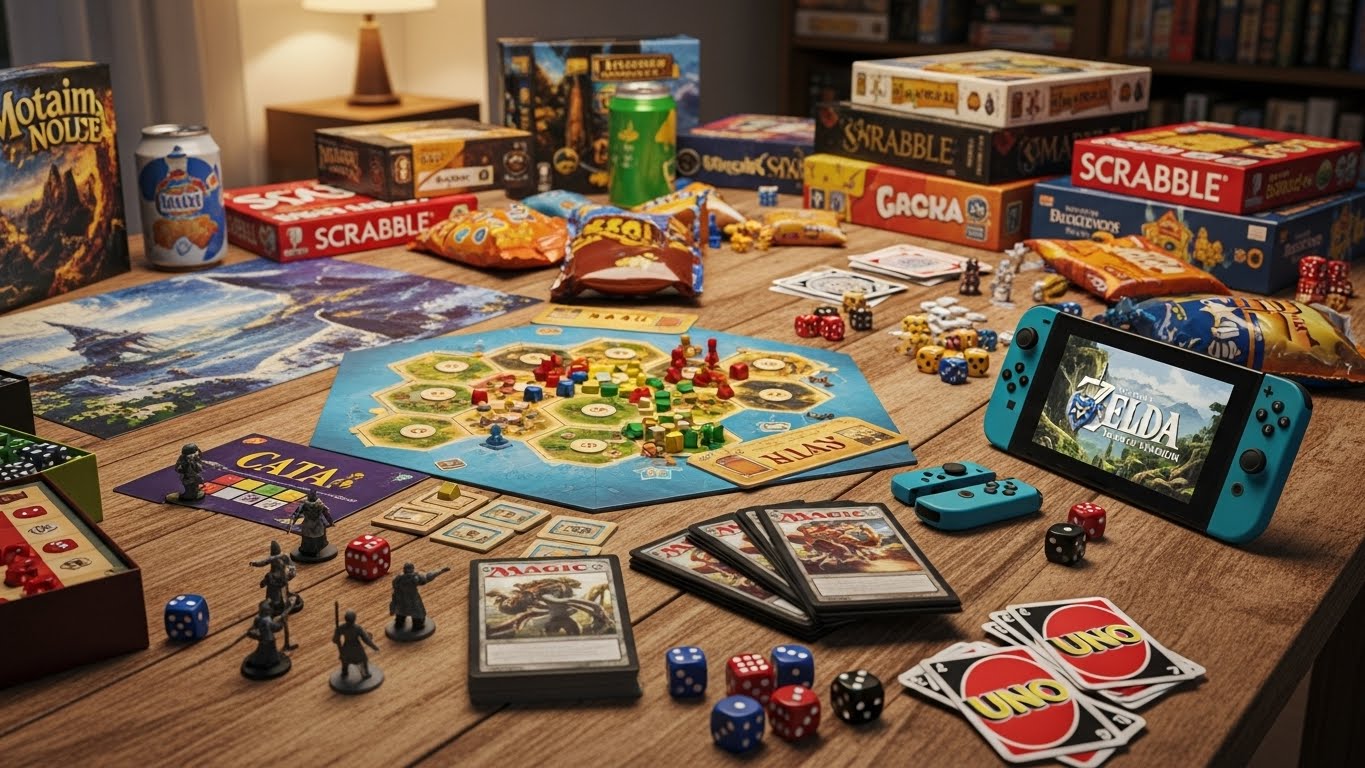
Games have always been a cornerstone of human culture. From ancient board games to modern digital experiences, games entertain, challenge, and connect people. Today, gaming has evolved into a global phenomenon that encompasses video games, mobile apps, esports, and interactive experiences. This blog explores the history, evolution, social impact, technological innovations, and future trends of gaming, highlighting how it has become an essential part of modern entertainment.
The Origins of Games
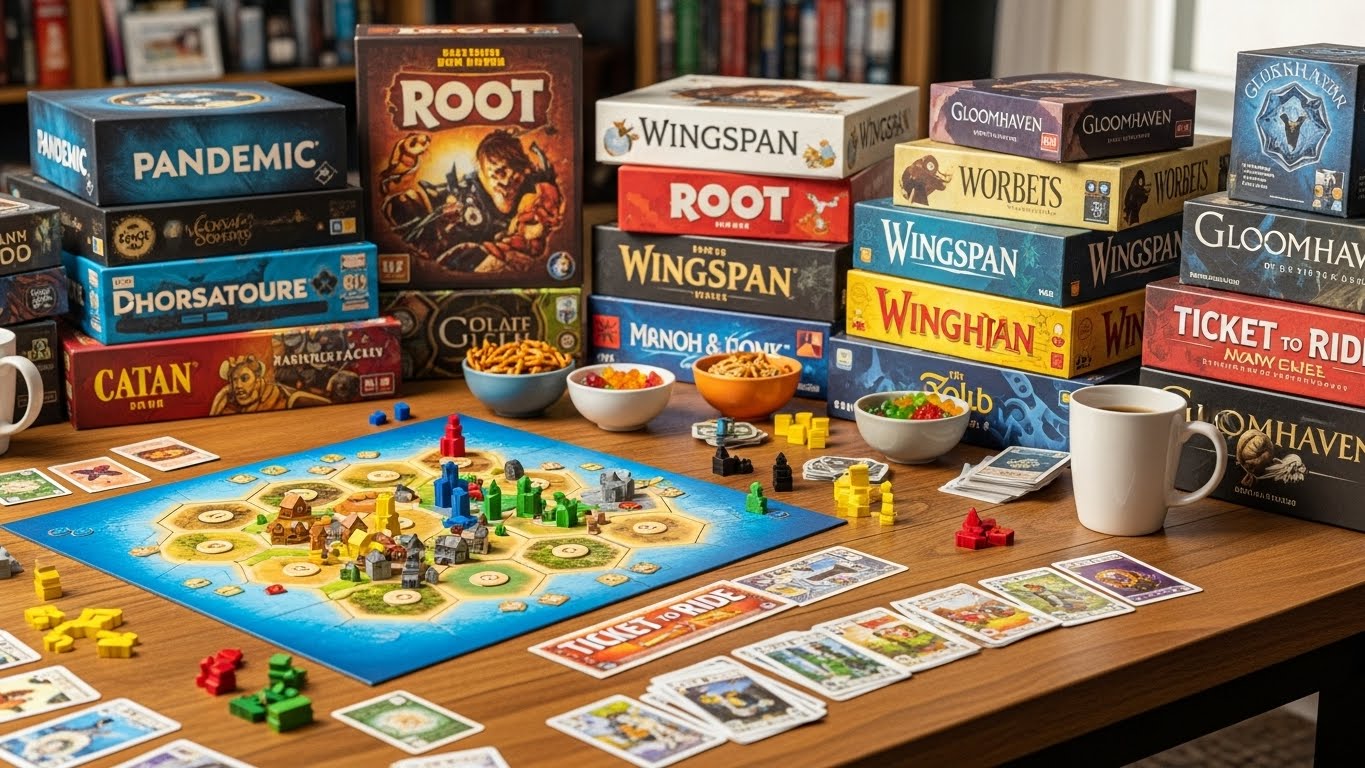
Games have existed for thousands of years. Early humans developed games to pass time, teach strategy, and strengthen social bonds. Ancient civilizations created board games, dice games, and physical competitions, many of which still influence modern games today. Chess, backgammon, and Go are examples of ancient games that combined skill, strategy, and social interaction, serving as a foundation for complex gameplay systems in the digital era.
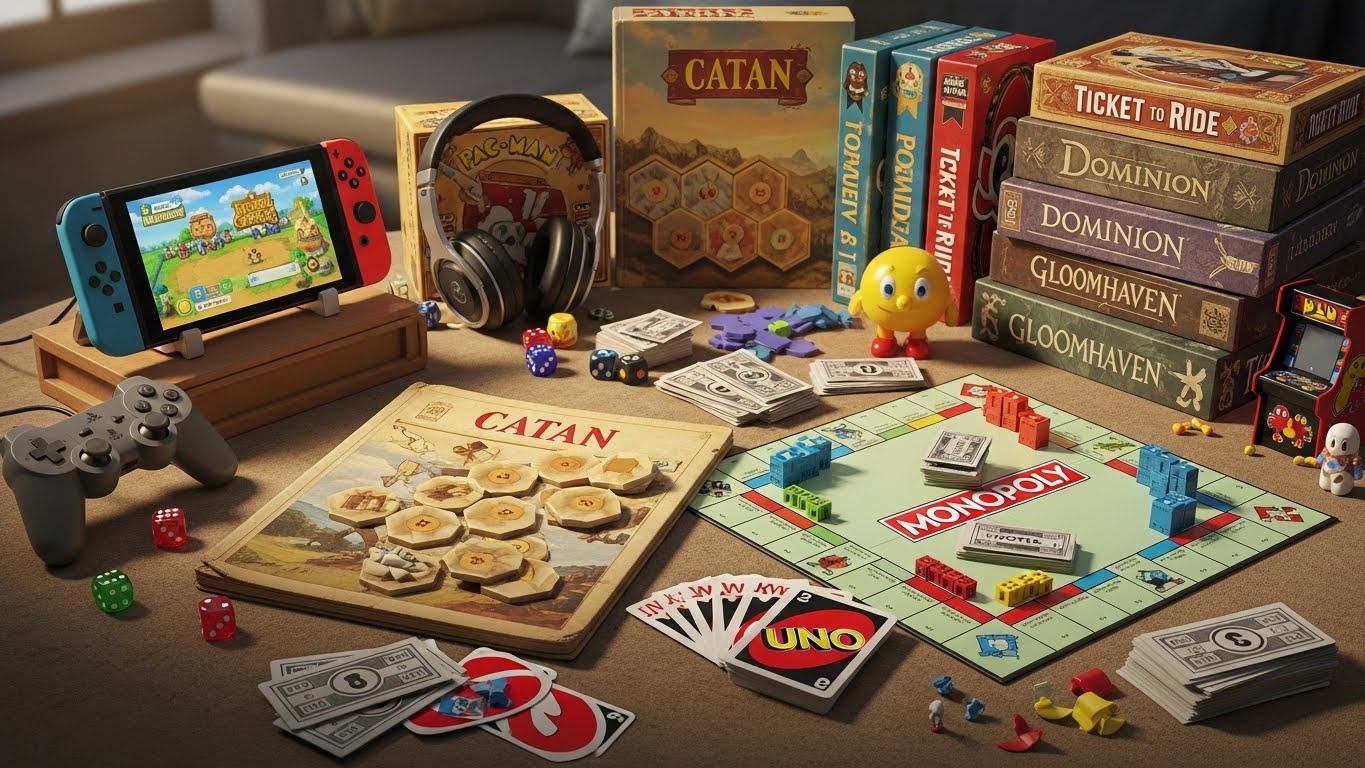
The transition from physical to electronic games began with the invention of early arcade machines and home consoles in the 1970s. Titles such as Pong and Space Invaders introduced players to digital gameplay and competitive scoring, establishing the early culture of video games. These simple games were the starting point for what would become a multi-billion-dollar industry.
The Evolution of Video Games
The 1980s and 1990s were transformative decades for gaming. Home consoles like the Nintendo Entertainment System and Sega Genesis brought games into households, providing more complex mechanics, memorable characters, and colorful worlds. This era saw the emergence of iconic franchises that remain influential, shaping both popular culture and game design standards.
Personal computers further expanded the possibilities of gaming. PC games allowed for larger worlds, detailed graphics, and sophisticated strategies. Genres such as real-time strategy, role-playing, and first-person shooters gained popularity, attracting diverse audiences and creating the foundations for online multiplayer gaming. This period also marked the rise of early gaming communities, where players shared tips, competed, and collaborated across digital networks.
Gaming as a Cultural Phenomenon
Gaming has grown beyond entertainment to influence culture globally. Video games inspire movies, music, literature, and fashion, shaping trends and sparking creativity. Popular games create shared experiences, uniting players through storytelling, competition, and exploration.
Gaming conventions and expos highlight the cultural significance of games. Events such as these celebrate creativity, technology, and innovation, drawing developers, players, and fans together. The communal aspect of gaming has established it as not only an entertainment medium but also a social and cultural hub.
The Importance of Storytelling in Games
Storytelling is a central element of modern gaming. Unlike movies or books, games allow players to participate in narratives, make choices, and influence outcomes. This interactivity deepens emotional engagement and personal investment in the game world.
Role-playing games, open-world adventures, and narrative-driven experiences exemplify the power of storytelling in games. Players become part of the story, facing challenges, making decisions, and shaping outcomes. This interactive storytelling differentiates games from other entertainment forms, creating unique and immersive experiences.
Competitive Gaming and Esports
Esports has elevated gaming into a competitive global industry. Professional gamers train rigorously, competing in tournaments for prize money, recognition, and sponsorships. Major esports events attract millions of viewers online and in stadiums, rivaling traditional sports in popularity.
Competitive gaming fosters teamwork, strategy, and mental agility. Multiplayer games encourage collaboration, while tournaments promote skill development and community engagement. Esports has transformed gaming into both a career path and a spectator activity, expanding its cultural and social significance.
The Social Impact of Gaming
Games are not just solitary experiences; they foster social interaction. Online multiplayer platforms enable players to collaborate, compete, and communicate with others worldwide. Voice chat, forums, and streaming platforms enhance social connectivity, creating communities around shared interests.
Gaming also promotes inclusion. Individuals with physical limitations or social anxiety can engage meaningfully through virtual worlds. This ability to connect across barriers highlights gaming’s role in building relationships and fostering understanding.
Technological Innovations in Gaming
Technology has transformed gaming into a sophisticated, immersive experience. High-definition graphics, realistic physics, and advanced artificial intelligence create detailed game worlds and responsive gameplay.
Virtual reality and augmented reality have taken immersion to new levels, allowing players to explore three-dimensional environments, interact with objects, and experience games firsthand. Cloud gaming and streaming technology have further increased accessibility, enabling players to enjoy high-quality experiences on multiple devices without the need for expensive hardware.
The Rise of Mobile Gaming
Mobile gaming has revolutionized the industry by making games accessible to a wider audience. Smartphones and tablets provide convenience and flexibility, allowing players to enjoy gaming anytime, anywhere.
Mobile games cover a range of genres, from casual puzzle games to competitive battle arenas. Their accessibility has introduced new demographics to gaming, expanding its cultural reach and economic impact. Mobile-first design has become a priority for developers, ensuring seamless experiences and high engagement.
Economic Impact of Gaming
Gaming is a major economic force. Video game sales, in-game purchases, subscriptions, esports, and merchandise generate billions of dollars annually. The industry provides jobs in development, marketing, design, event management, and technology support.
Investments in gaming drive innovation, not only within the industry but also in related sectors such as virtual reality, artificial intelligence, and cloud computing. The economic influence of gaming extends beyond entertainment, shaping technology and global business landscapes.
Educational and Cognitive Benefits of Gaming
Gaming offers more than entertainment; it provides educational and cognitive benefits. Strategy games, puzzles, and simulations enhance problem-solving, critical thinking, and memory. Role-playing games promote creativity, storytelling, and empathy.
Gamification in education uses game principles to make learning interactive and engaging. Educational games and simulations encourage knowledge retention, collaboration, and exploration, demonstrating that gaming can be both fun and educational.
Challenges in Modern Gaming
While gaming has many benefits, it also faces challenges. Addiction, excessive screen time, and exposure to inappropriate content can negatively affect players. Responsible gaming practices and safe gaming environments are essential.
Diversity and representation in games remain important issues. Inclusive storytelling, character design, and accessibility features ensure that gaming remains a welcoming space for all players. Developers and communities must address these challenges to sustain growth and engagement.
Future Trends in Gaming
The future of gaming is dynamic and promising. Virtual and augmented reality will enhance immersion, while artificial intelligence will provide adaptive and personalized experiences. Cloud gaming and streaming will make high-quality games more accessible.
Cross-platform integration will allow players to enjoy seamless experiences across consoles, PCs, and mobile devices. Gaming will increasingly intersect with other entertainment forms, such as movies, music, and interactive storytelling, creating hybrid and immersive experiences.
Conclusion
Gaming has evolved from simple pastimes to a complex, interactive, and culturally significant form of entertainment. Games entertain, challenge, educate, and connect people, making them an integral part of modern life.
With technological innovation, global accessibility, and evolving player expectations, gaming continues to shape the future of entertainment. It is not only a form of leisure but also a social, cultural, and economic force. Gaming is a reflection of human creativity, technological progress, and the enduring desire for engagement, connection, and immersive experiences.