 gamercore13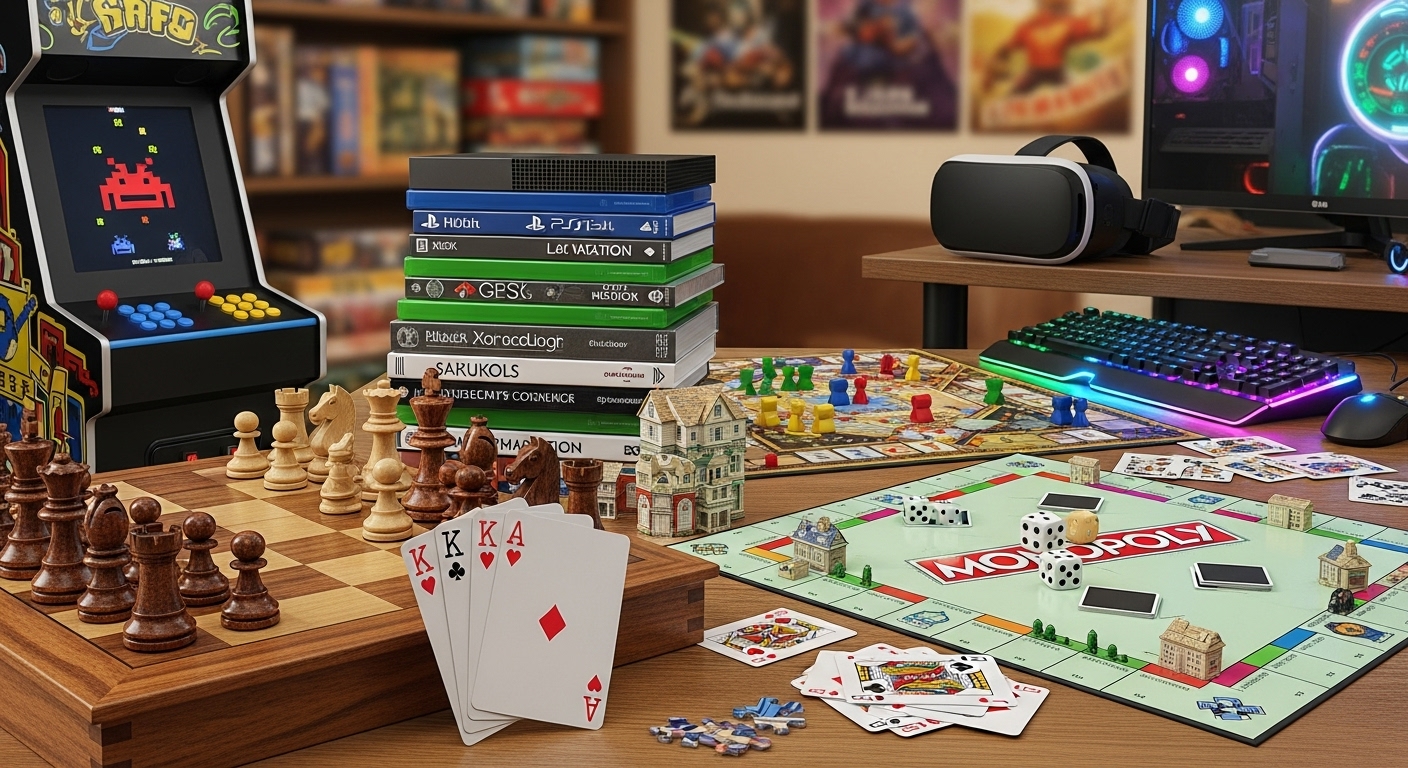
Introduction: The Timeless Appeal of Games
Games have been a fundamental part of human culture for thousands of years, offering entertainment, competition, social connection, and mental stimulation. From ancient board games to modern video games, the act of playing has shaped social structures, inspired creativity, and even influenced technological development.
This blog explores the history of games, their cultural significance, economic impact, technological innovations, and the role they play in modern society. Understanding games provides insight into human behavior, creativity, and the ways people interact with each other and the world around them.
The Origins of Games
Games have existed since the earliest civilizations. Archaeological discoveries reveal that ancient Egyptians played board games like Senet, while the Chinese developed games such as Go and Xiangqi. These games were not only forms of entertainment but also tools for teaching strategy, mathematics, and social skills.
In ancient Greece and Rome, competitive games and athletic contests were deeply intertwined with education and community life. Games served as a reflection of cultural values, fostering skills like critical thinking, strategic planning, and teamwork that are still relevant in modern gaming.
Board Games and Strategy
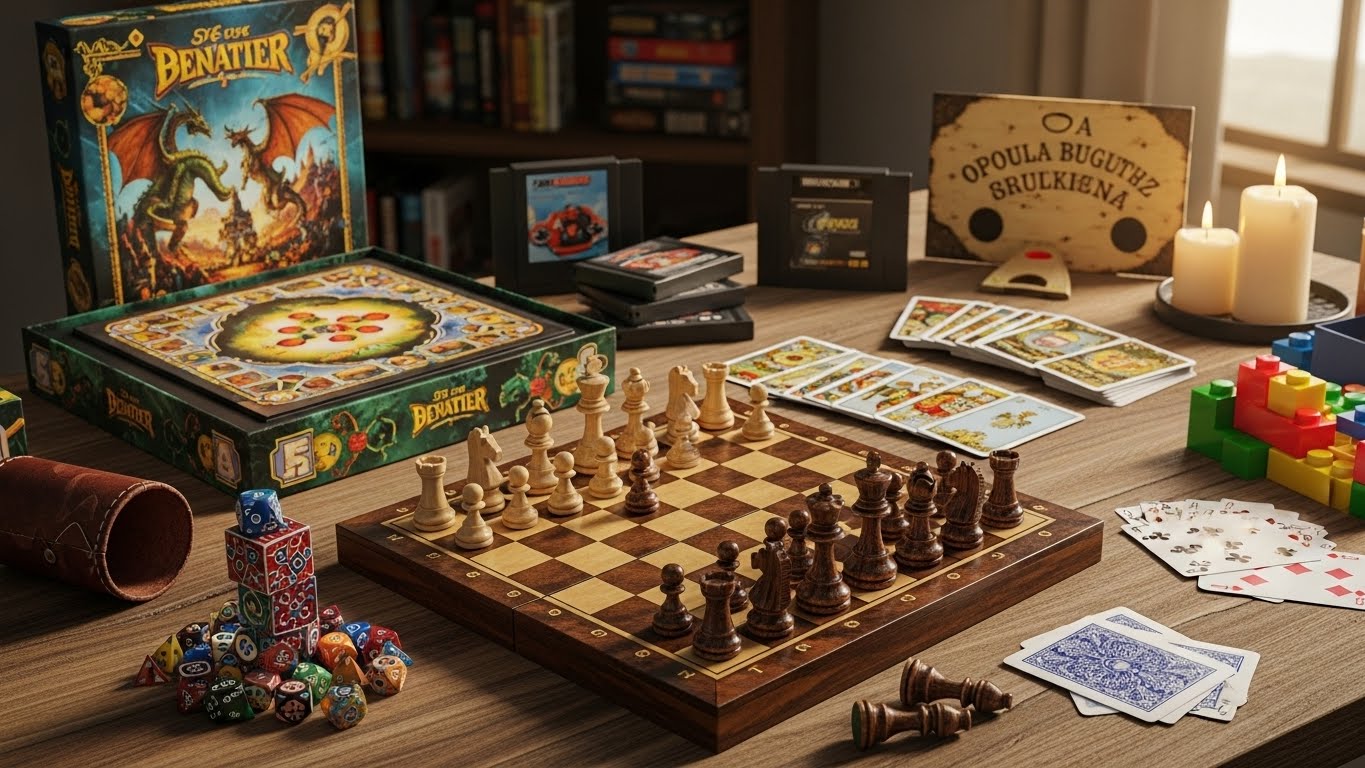
Board games have been a staple of human recreation for centuries. Classic games such as Chess, Backgammon, and Checkers test logic, strategy, and foresight. These games challenge the mind while offering a social platform for interaction between players.
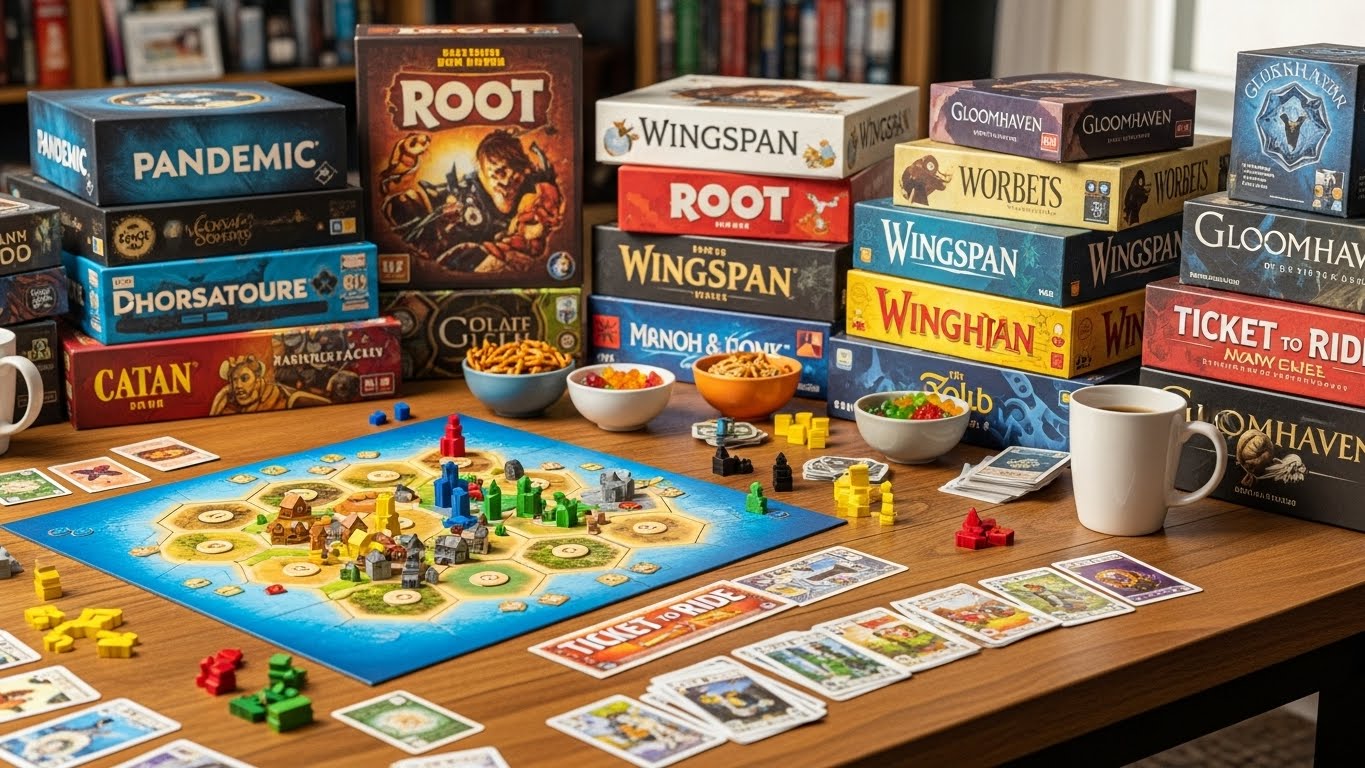
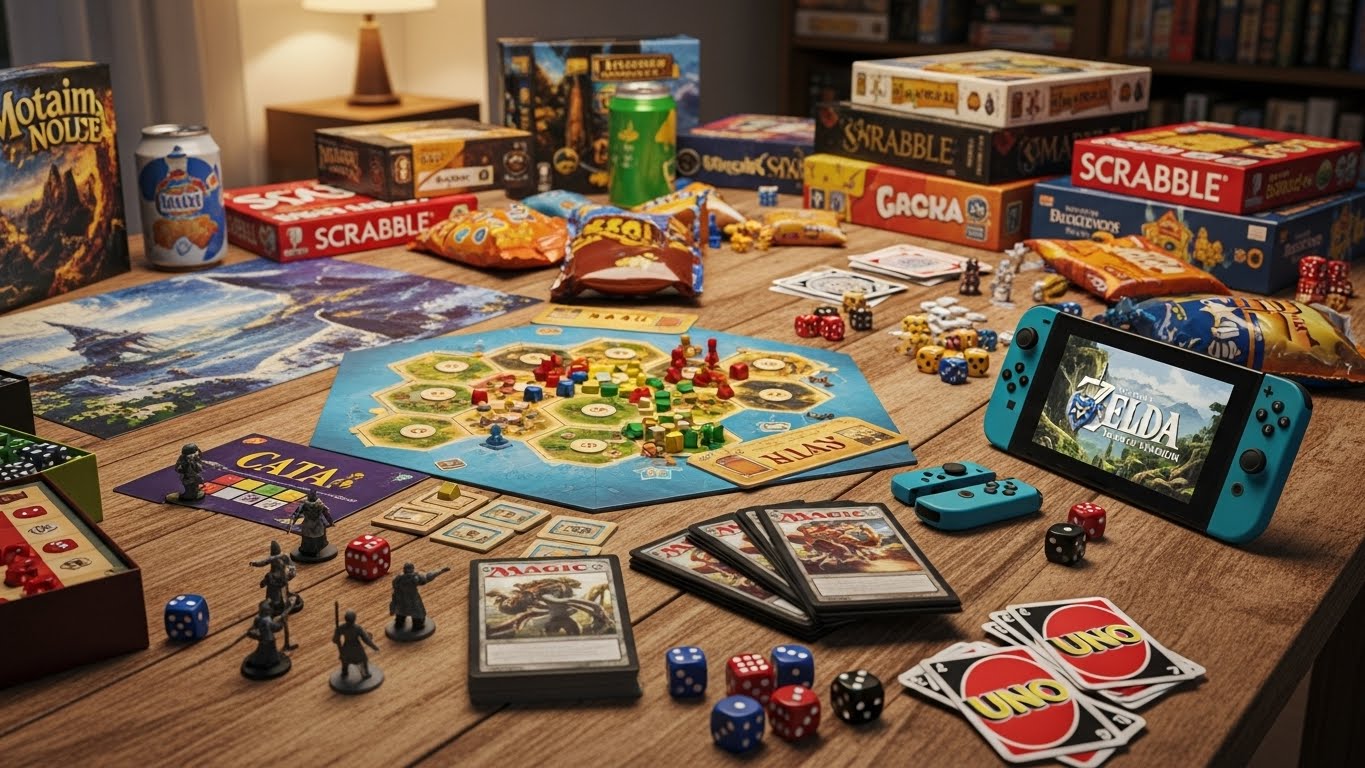
Modern board games have evolved to include complex narratives, cooperative gameplay, and immersive experiences. Titles like Settlers of Catan, Pandemic, and Ticket to Ride have revolutionized tabletop gaming, appealing to diverse audiences and creating communities around shared play.
Card Games and Cultural Traditions
Card games have a long history, originating in China around the 9th century and spreading across the world. Games like Poker, Bridge, and Rummy offer both entertainment and skill-based challenges, requiring memory, strategy, and psychological insight.
Cultural variations of card games reflect regional histories and traditions. Beyond casual play, competitive card tournaments have become a thriving form of organized gaming, with players achieving recognition and professional status on national and international levels.
The Rise of Video Games
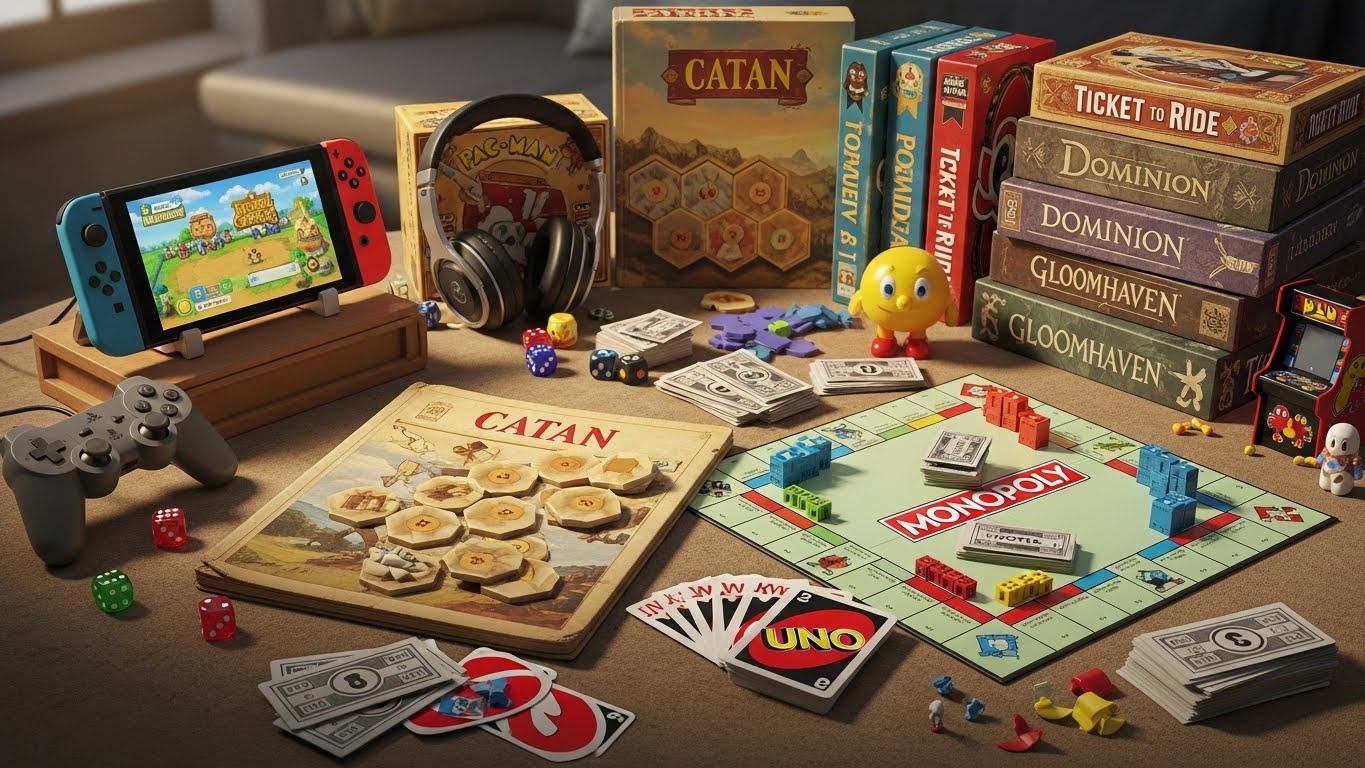
The 20th century brought digital games, transforming play into interactive entertainment experiences. Early arcade games like Pong, Space Invaders, and Pac-Man captured global attention and created new forms of engagement.
Home consoles, personal computers, and handheld devices expanded the gaming landscape, allowing players to experience complex narratives, skill-based challenges, and immersive worlds from their living rooms. Franchises such as Mario, Zelda, and Sonic became cultural icons, establishing the foundation for the modern gaming industry.
Gaming and Technology
Technological advancements have shaped the evolution of games. High-definition graphics, realistic physics engines, motion capture, and artificial intelligence enhance gameplay and immersion. Virtual reality and augmented reality bring players into interactive environments that were once only imagined.
Online connectivity allows for multiplayer experiences, global competitions, and social interaction. Technology continues to push the boundaries of games, transforming them from mere entertainment into rich, interactive experiences that connect players across the globe.
The Social Impact of Games
Games foster social interaction, collaboration, and community building. Multiplayer games, both digital and analog, encourage teamwork, communication, and strategy. Communities form around shared interests, creating lasting relationships and cultural connections.
Games also serve as tools for social commentary, storytelling, and education. Through narrative-driven experiences, players explore moral dilemmas, historical contexts, and ethical challenges, blending entertainment with reflection and learning.
Games in Education and Skill Development
Games are increasingly recognized for their educational value. Puzzle games, strategy games, and simulations develop critical thinking, problem-solving, and decision-making skills. Educational games teach subjects such as mathematics, science, and language in engaging ways.
Gamification—the application of game mechanics in non-gaming contexts—motivates learners and enhances engagement. Games also promote spatial reasoning, cognitive flexibility, and social-emotional learning, demonstrating their role in personal development and lifelong education.
Competitive Gaming and Esports
Competitive gaming, or esports, has transformed games into a professional industry. Titles like League of Legends, Dota 2, and Counter-Strike attract millions of viewers, while players pursue professional careers with training, sponsorships, and global tournaments.
Esports has created new opportunities for careers in coaching, broadcasting, analytics, and event management. The rise of online streaming platforms has further integrated gaming with entertainment, making competitive play accessible and engaging for a global audience.
The Psychological and Cognitive Benefits of Games
Playing games offers significant mental benefits. Strategy and puzzle-based games enhance critical thinking, planning, and decision-making. Cooperative games develop social skills, teamwork, and communication. Action games improve reflexes, spatial awareness, and multitasking abilities.
Gaming also provides emotional benefits, including stress relief, relaxation, and a sense of achievement. Immersive games allow players to explore creativity and problem-solving in dynamic environments, contributing to cognitive development and mental well-being.
Economic Impact of the Gaming Industry
The gaming industry is a major global economic force, generating billions in revenue from game sales, in-game purchases, subscriptions, hardware, and streaming services. Game development creates employment for designers, programmers, writers, marketers, and support staff.
Gaming also stimulates related industries, including hardware manufacturing, event management, media production, and online content creation. Esports tournaments, conventions, and streaming platforms further expand economic opportunities, making gaming one of the most influential sectors in entertainment and technology.
Cultural Influence of Games
Games are a cultural force, influencing music, fashion, art, and storytelling. Popular franchises inspire cosplay, fan art, and social media content, while game soundtracks and aesthetics shape broader cultural trends.
Games also reflect and challenge societal norms, exploring themes like identity, morality, and social justice. Through narrative and interactivity, games offer unique opportunities to explore culture, ethics, and human experience in ways that traditional media cannot.
Challenges in the Gaming World
The gaming industry faces challenges including addiction, excessive screen time, harassment, and inclusivity. Ensuring responsible play and promoting safe communities are crucial for player well-being.
Other challenges include intellectual property concerns, ethical monetization practices, and diversity in content and representation. Addressing these challenges requires industry standards, community engagement, and awareness to ensure that games remain positive and inclusive experiences.
The Future of Games
The future of games is expansive and exciting. Advancements in artificial intelligence, cloud gaming, virtual reality, augmented reality, and cross-platform play will redefine gameplay and accessibility. Narrative experiences will become more immersive, interactive, and personalized.
Games will continue to expand into education, professional training, mental health applications, and global collaboration. The growth of esports and digital communities ensures that games will remain central to entertainment, culture, and social connection for generations to come.
Conclusion: Games as a Reflection of Humanity
Games are more than entertainment; they are a reflection of human creativity, culture, and connection. From ancient board games to modern virtual worlds, games have shaped social interaction, learning, and technological innovation.
They foster cognitive development, social skills, emotional well-being, and cultural exchange. As technology and creativity continue to evolve, games will remain an enduring and transformative force, connecting people and inspiring generations worldwide.