 gamercore13
Introduction: The World of Games
Games have been an essential part of human culture for centuries. From ancient board games to modern digital experiences, games entertain, challenge, and connect people across generations. While many view games simply as leisure, they are powerful tools that influence cognitive development, social interaction, creativity, and culture. Today, games exist in countless forms, including video games, mobile games, board games, card games, and sports, offering unique experiences that extend far beyond simple amusement.
The History of Games
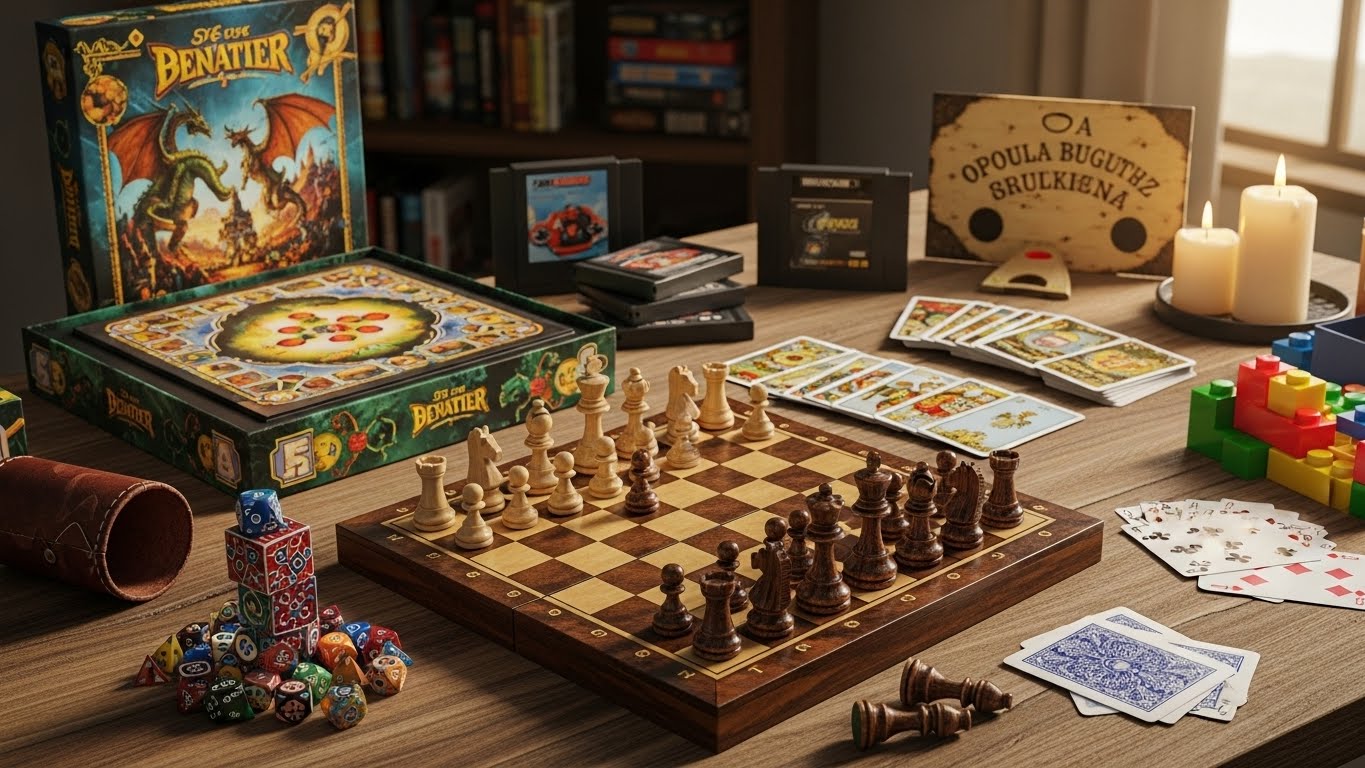
Games have a rich history that dates back thousands of years. Early civilizations played board games like Senet in Egypt and Go in China, which were not only recreational but also carried educational and strategic value. Over time, games evolved alongside technology and society. With the invention of playing cards, dice, and tabletop role-playing games, players began to explore new levels of strategy and imagination. The 20th century introduced video games, forever changing the landscape of interactive entertainment. This history highlights how games have always served as a reflection of human creativity and societal trends.
The Evolution of Video Games
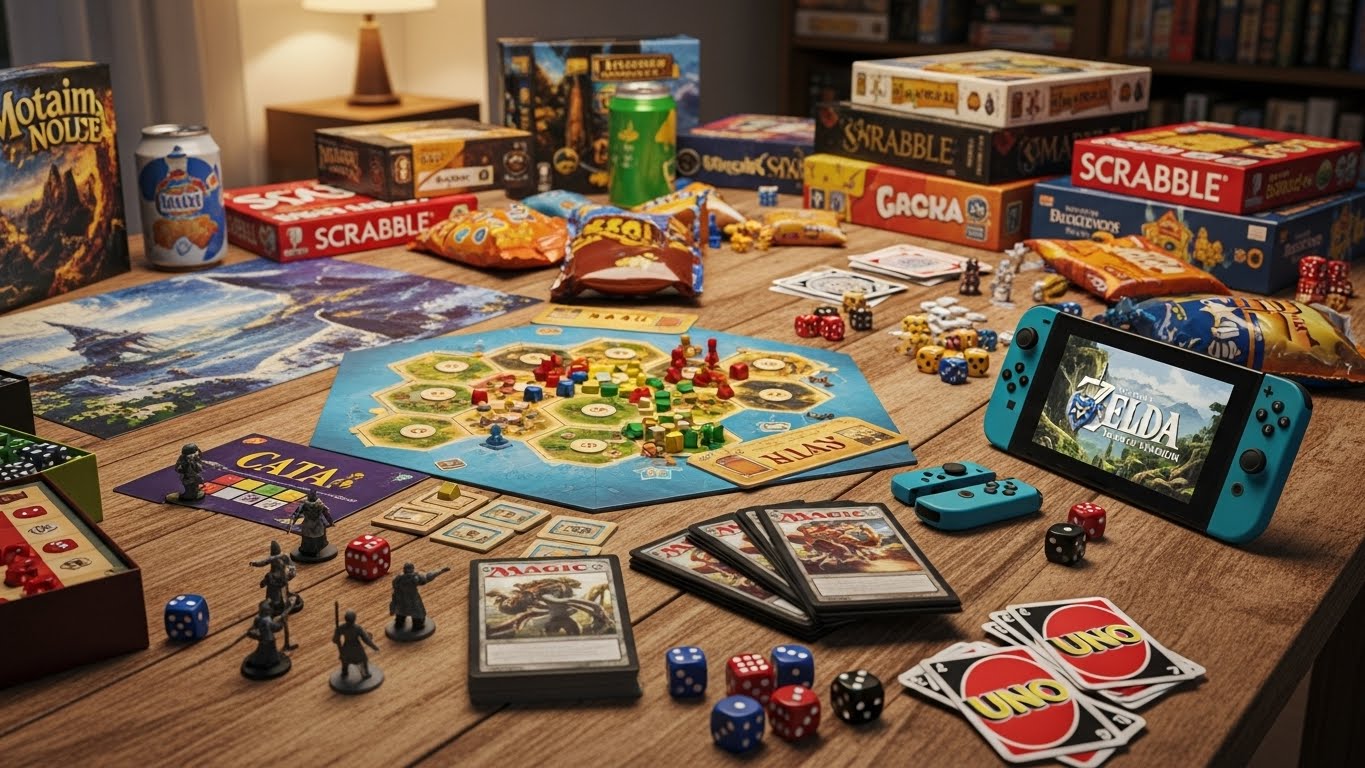
The introduction of video games revolutionized the concept of play. Early games like Pong and Pac-Man provided simple yet captivating experiences. As technology advanced, games became increasingly complex, featuring immersive graphics, expansive worlds, and interactive storytelling. Consoles, PCs, and mobile devices now offer players an array of options, while innovations like virtual reality and augmented reality provide fully immersive experiences. Modern video games are more than entertainment—they are interactive narratives, social platforms, and tools for skill development.
Cognitive Benefits of Gaming
Games offer numerous cognitive benefits that extend beyond entertainment. Strategy games encourage critical thinking, problem-solving, and decision-making. Puzzle games enhance pattern recognition, memory, and logical reasoning. Action games improve reflexes, hand-eye coordination, and multitasking abilities. Multiplayer games cultivate teamwork, communication, and adaptive thinking. These mental exercises help players develop essential skills applicable to real-life challenges, demonstrating that gaming can serve as both fun and intellectual growth.
Creativity and Imagination in Games
Games are powerful tools for fostering creativity. Sandbox games, role-playing games, and building simulators allow players to create entire worlds, characters, and narratives. Players experiment with strategies, explore possibilities, and design solutions, strengthening imaginative thinking. Story-driven games encourage empathy and perspective-taking, while user-generated content enables players to share their creations with the world. Games not only stimulate creativity but also provide an outlet for personal expression, inspiring players to innovate both in-game and in real life.
Games as a Social Platform
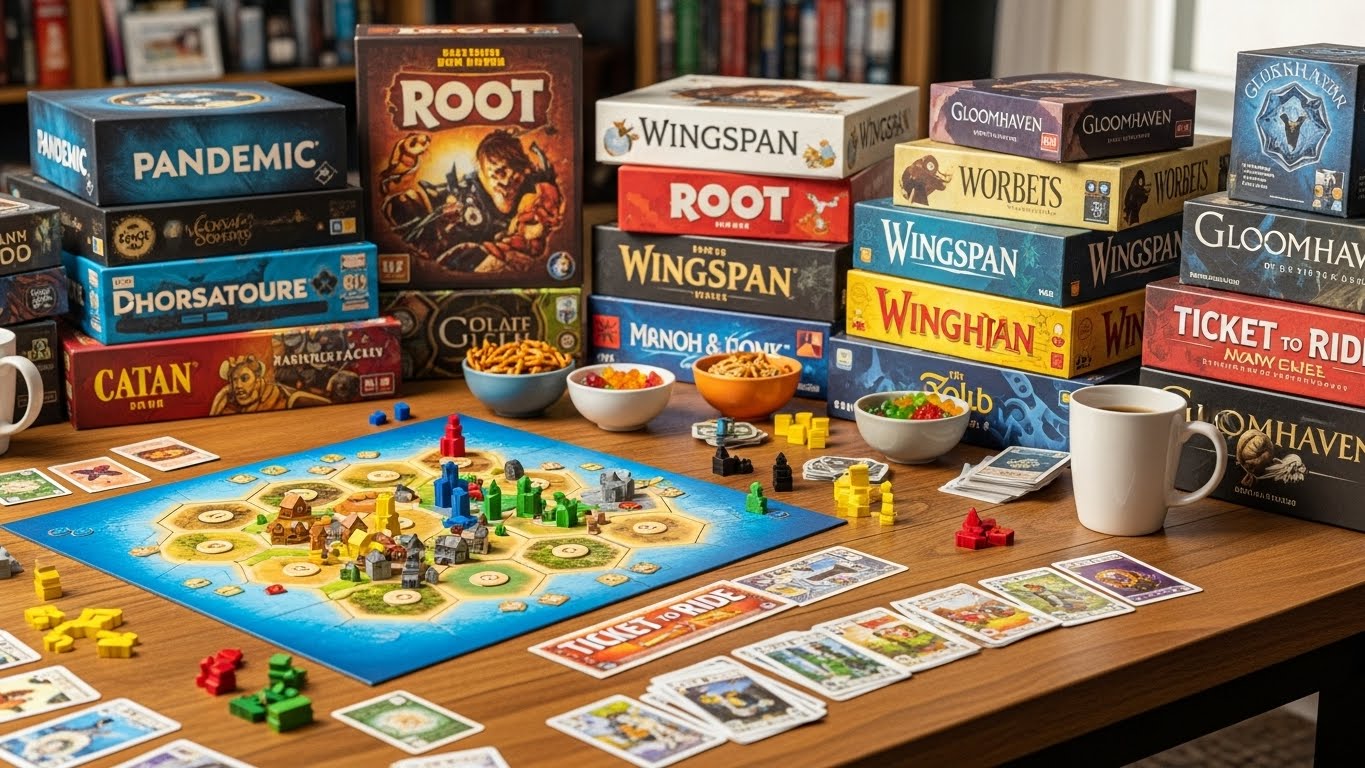
Modern games are highly social, breaking the stereotype of the solitary player. Online multiplayer games connect individuals globally, fostering friendships and teamwork. Players collaborate to achieve objectives, compete in tournaments, and communicate through voice or text chats. Communities form around shared interests, creating spaces for discussion, collaboration, and mentorship. Beyond the digital realm, gaming events and conventions allow fans to meet and engage in real-world interactions. Through these connections, games build social bonds and promote cultural exchange.
Esports and Competitive Gaming
The rise of esports has transformed gaming into a professional arena. Competitive players train rigorously, mastering strategies and honing their reflexes. Global tournaments attract massive audiences and sponsorships, showcasing the skill and dedication required in gaming. Esports also offers diverse career paths, including streaming, coaching, content creation, and event management. This professionalization highlights that gaming is not only a pastime but also a serious discipline capable of shaping careers and influencing entertainment culture.
Educational Value of Games
Games are effective educational tools. Strategy and simulation games teach resource management, planning, and logical thinking. Historical and role-playing games introduce players to diverse cultures, languages, and social systems. Even casual games improve cognitive flexibility, memory, and focus. Games can transform learning from a passive activity into an interactive experience, motivating players to explore subjects deeply while having fun. This integration of education and play demonstrates the unique power of games as tools for personal and intellectual development.
Emotional and Mental Health Benefits
Games also contribute to emotional well-being. Engaging in gameplay provides stress relief, relaxation, and a sense of achievement. Multiplayer games offer social interaction, reducing isolation, while story-driven games allow players to experience emotions such as empathy, joy, and resilience. Achieving in-game goals can boost self-confidence and provide a sense of progress. While moderation is important, responsible gaming can support mental health and help individuals cope with the pressures of daily life.
Balancing Gaming and Lifestyle
Despite the many benefits, balance is essential. Excessive gaming can lead to fatigue, social withdrawal, or neglect of responsibilities. Healthy gaming habits involve setting time limits, taking breaks, and maintaining physical and social activities outside of gaming. For younger players, guidance from parents or guardians is crucial to ensure that gaming remains positive and does not interfere with school, relationships, or health. By maintaining balance, players can enjoy the benefits of gaming without negative consequences.
The Cultural Impact of Games
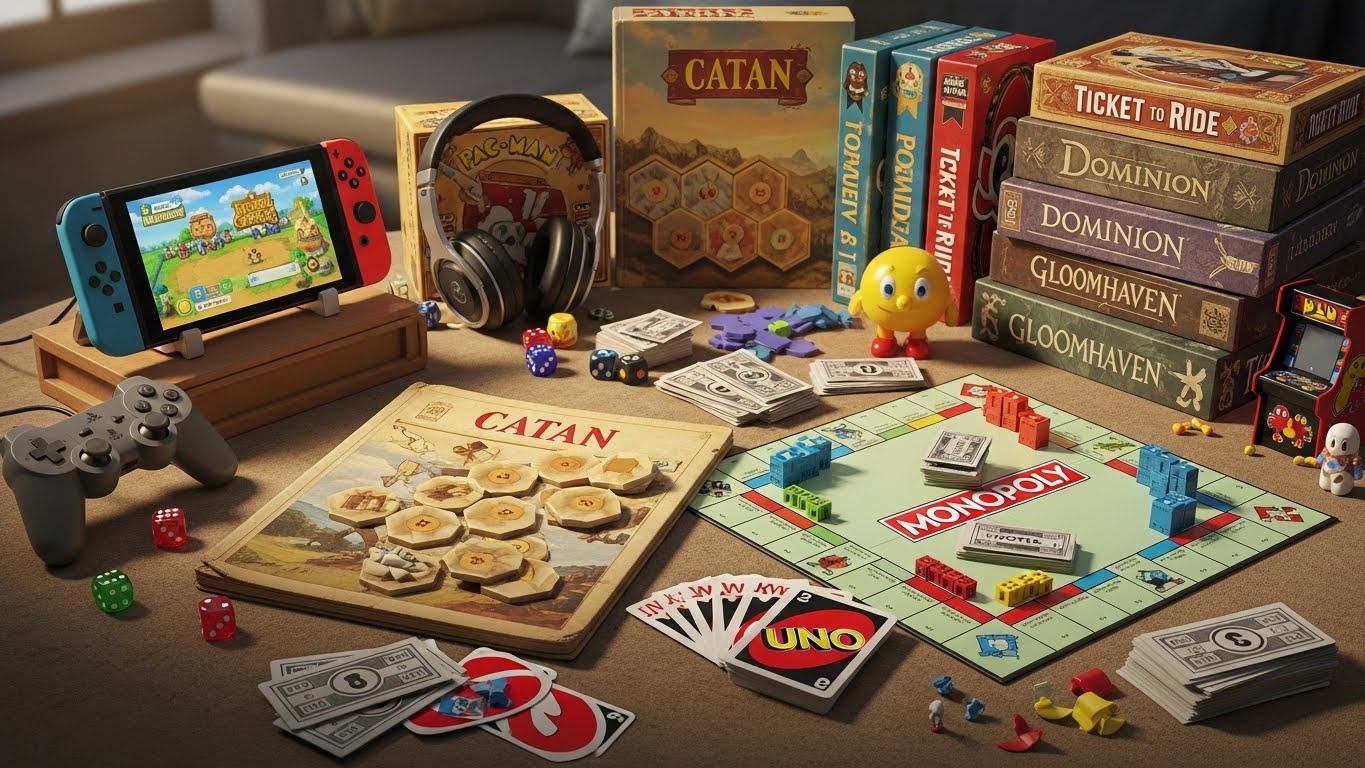
Games have a profound impact on culture. Iconic characters, franchises, and storylines influence art, music, fashion, and literature. Communities of gamers foster collaboration, creativity, and cultural exchange. Events, fan art, and cosplay demonstrate the role of games in shaping collective identity and inspiring participation. Games also reflect societal values and trends, allowing audiences to explore complex ideas such as morality, conflict, and innovation in an interactive context. This cultural significance underscores games as more than entertainment—they are a lens through which we understand and influence the world.
The Future of Gaming
The future of gaming promises innovation and growth. Virtual reality and augmented reality will provide immersive experiences that blur the line between digital and physical worlds. Artificial intelligence will enable smarter opponents, adaptive challenges, and dynamic narratives. Cloud gaming will make high-quality experiences accessible across devices, while user-generated content will continue to empower players to create and share new worlds. As gaming technology evolves, it will continue to expand its influence on entertainment, education, social interaction, and culture.
Conclusion: Games as a Force for Growth
Games are far more than a pastime. They challenge the mind, nurture creativity, foster social connections, and reflect cultural values. From traditional board games to cutting-edge virtual experiences, games serve as tools for intellectual development, emotional growth, and community building. By engaging responsibly, players can experience the full benefits of gaming, enjoying entertainment while enhancing skills, creativity, and relationships. Games remind us that play is not merely leisure—it is a powerful force shaping minds, culture, and human connection.